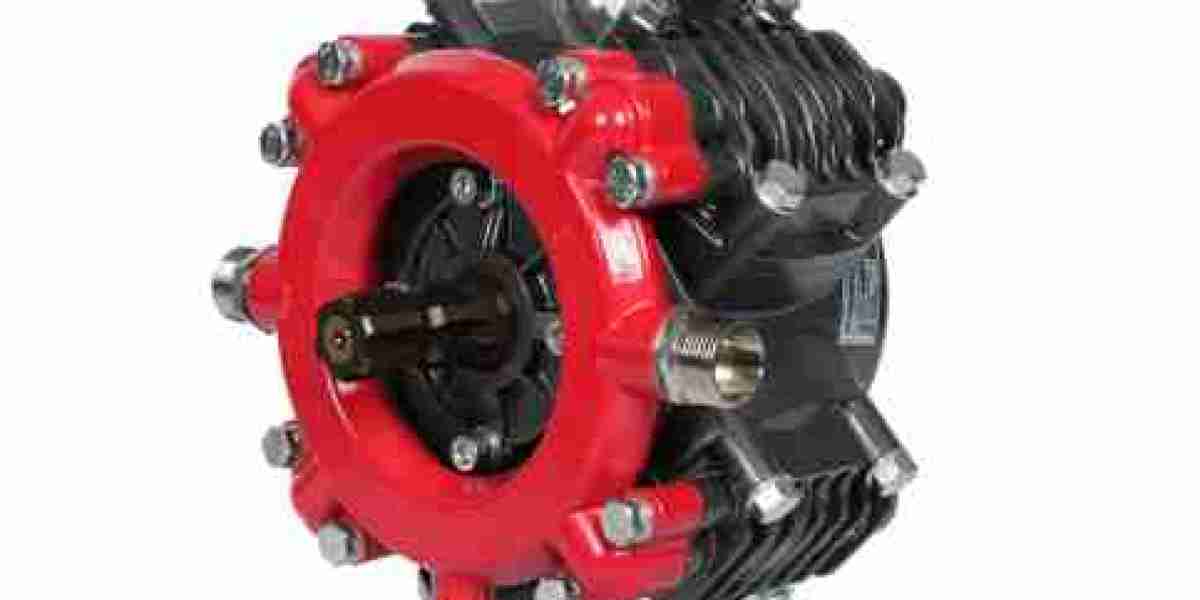

Modern agriculture depends on fluid delivery equipment that can maintain steady performance while handling fertilizers, crop protection liquids, and changing field conditions. In this environment, the Diaphragm Pump For Pesticides provides a practical engineering approach because its flexible diaphragm separates the pumping mechanism from the working liquid, supporting controlled transfer and reducing direct exposure of key mechanical components. For equipment manufacturers and agricultural system integrators, pump construction, material compatibility, pressure stability, and serviceability are important considerations when designing dependable spraying equipment for professional farming operations.
Chemical exposure is one of the central challenges in agricultural pumping. Pesticide formulations can vary considerably in composition, concentration, and handling requirements, so wetted components must be selected with attention to chemical resistance and long-term material behavior. Reinforced engineering polymers, suitable elastomers, corrosion-resistant metals, and carefully designed seals can help reduce deterioration caused by repeated contact with aggressive liquids. Material selection should also consider temperature changes, cleaning procedures, mechanical fatigue, and storage conditions. A balanced material strategy supports consistent operation while helping manufacturers manage maintenance requirements throughout the equipment life cycle.
Diaphragm technology is valuable because the flexible membrane creates a controlled pumping action without requiring a conventional rotating impeller to remain directly exposed to the fluid. During operation, the diaphragm moves through repeated suction and discharge cycles, allowing liquid to be transferred through the system in a predictable manner. This arrangement can support applications where fluid isolation is important. Engineers optimize diaphragm geometry, valve design, and sealing quality to influence hydraulic behavior and ensure that the complete assembly works effectively as an integrated pumping mechanism.
Pressure management is another important factor in pesticide spraying systems. Engineers therefore consider flow passages, valves, pressure regulation, pulsation behavior, and connection design as part of an integrated hydraulic system. Stable pressure helps downstream spraying components operate more consistently, especially when equipment works across changing crop rows, terrain, and operating cycles. Thoughtful system design can also reduce unnecessary vibration and improve the coordination between the pump, regulator, filter, hose, and spray nozzle.
Filtration and fluid cleanliness contribute directly to dependable agricultural operation. Foreign particles, residue, or improperly prepared liquids can interfere with valves and restrict flow passages. A well-designed filtration arrangement helps protect sensitive components and supports more stable hydraulic performance. At the same time, accessible filter locations and practical service layouts can simplify inspection and cleaning. These considerations are especially relevant for commercial farming equipment, where maintenance efficiency can influence daily productivity and equipment availability during demanding application periods.
Safety should also be considered throughout the design and use of pesticide spraying equipment. Proper containment, secure connections, suitable seals, and controlled pressure management can reduce the likelihood of unintended leakage or unstable operation. Equipment should be designed so operators can inspect important components without unnecessary exposure to agricultural liquids. From a manufacturing perspective, safety-oriented design is not separate from performance; it is part of creating a system that remains predictable throughout routine operation and maintenance.
Modern agricultural machinery increasingly connects mechanical pumping with electronic monitoring and automated control. Sensors can help track operating conditions, while controllers may coordinate pressure adjustment, flow management, or application schedules. These technologies create opportunities for more precise resource management, particularly when integrated with field mapping and variable-rate application systems. The pump remains an essential mechanical foundation within such systems, and its hydraulic response must be stable enough to support digital control. Manufacturers that combine robust mechanical design with adaptable interfaces can better serve the changing needs of precision agriculture.
Maintainability is another important design objective. Diaphragms, valves, seals, filters, and other wear-related parts should be accessible for inspection and replacement when necessary. Modular construction can simplify service procedures and reduce the complexity of routine maintenance. Clear component organization also helps technicians identify potential causes of reduced flow, pressure fluctuation, or abnormal vibration. By considering service access during the initial engineering stage, manufacturers can improve practical usability and support more predictable ownership costs without relying on excessive mechanical complexity.
Application conditions differ between orchards, open fields, greenhouses, nurseries, and specialized crop production environments. A pumping system therefore needs enough adaptability to work with different fluid delivery arrangements and spraying configurations. Hose routing, nozzle selection, regulator coordination, and filtration capacity all influence the final application result. The Diaphragm Pump For Pesticides becomes most effective when treated as part of a complete fluid management system rather than as an isolated machine. Integrated engineering helps ensure that hydraulic performance, material durability, safety, and application control work together under real operating conditions.
As agricultural production continues moving toward greater efficiency and responsible resource use, manufacturers are placing more attention on durable materials, optimized hydraulic structures, and intelligent system integration. SHUANG DIN develops agricultural fluid equipment with an emphasis on practical engineering and compatibility with modern spraying workflows. For companies evaluating pump technologies, its broader product information can be reviewed at https://www.agriculturaldiaphragmpump.com/product/ to better understand how agricultural pumping components can be incorporated into reliable fluid delivery systems.