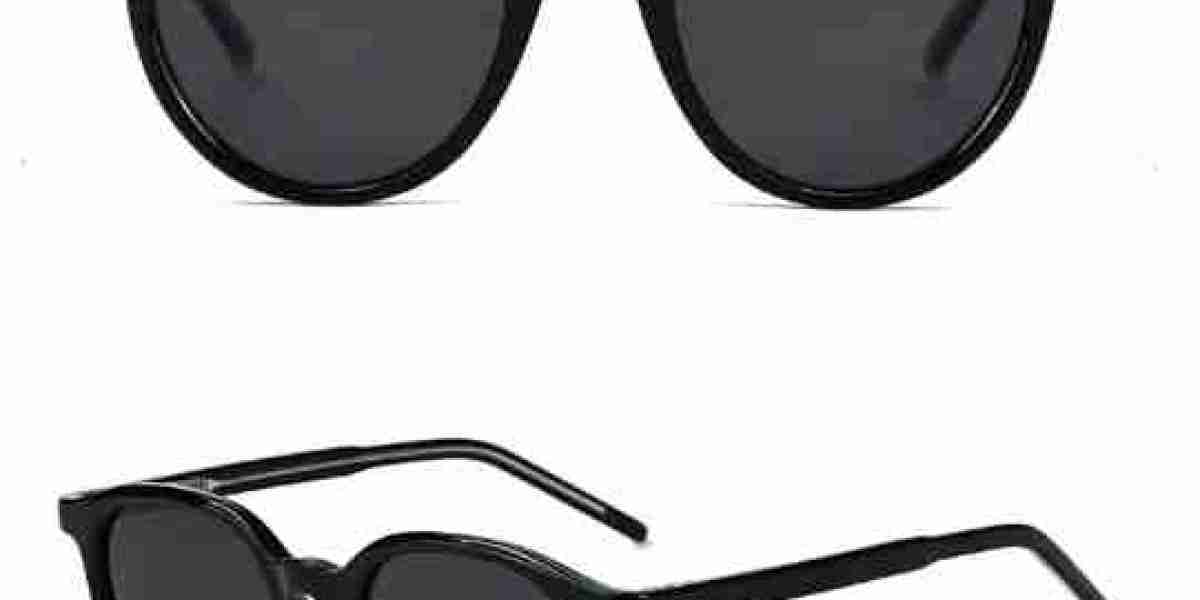

When international brands evaluate a Sunglasses Factory, they are often looking beyond basic production capacity. They need a manufacturing partner that understands product development, material selection, quality consistency, communication, and the practical requirements of global distribution. A professional production relationship can help brands turn design concepts into eyewear collections that are suitable for different markets and customer preferences.
Modern eyewear manufacturing involves several coordinated stages. A product may begin with a sketch, reference sample, digital concept, or market trend, but transforming that idea into a finished product requires careful engineering and manufacturing knowledge. Frame construction, lens integration, surface finishing, component assembly, and inspection all influence the final result. Manufacturers therefore need systems that connect design decisions with practical production processes.
Material selection is one of the most important considerations during development. Different frame materials provide different visual characteristics and manufacturing possibilities. Acetate, TR90, metal, stainless steel, and other commonly used materials can support different design directions. Buyers may select materials according to appearance, intended market positioning, comfort expectations, or compatibility with a particular frame structure. Understanding these relationships helps manufacturers recommend production approaches that are practical rather than relying only on appearance.
Technology also plays an important role in contemporary eyewear production. Computer-aided design can support accurate development of frame shapes before physical production begins. Manufacturing equipment can then be used for cutting, forming, drilling, polishing, and other processes. Technology does not replace skilled production teams; instead, it helps improve consistency and repeatability when properly integrated with experienced craftsmanship.
Quality control should be considered throughout production rather than only at the final inspection stage. Incoming materials need to be evaluated before entering manufacturing, while components should be checked during assembly to identify potential problems early. Finished eyewear can then undergo visual and functional inspection before packaging. This approach reduces the possibility that small production issues will remain unnoticed until products reach the buyer.
For international buyers, communication is another important part of manufacturing quality. Product development often involves revisions to shapes, colors, materials, logos, packaging, or other design elements. Clear communication between buyers and manufacturers can reduce misunderstandings and make the development process more efficient. Technical drawings, samples, reference images, and organized specifications can all help ensure that production teams understand the intended result.
Customization is also becoming increasingly relevant in the global eyewear market. Retailers and private-label brands may want collections that reflect their own visual identity instead of relying entirely on standardized designs. A capable manufacturing partner can support customization through frame development, material combinations, color selection, surface treatments, branding elements, and packaging coordination. The objective is not simply to create a different appearance, but to develop products that align with the buyer's overall commercial strategy.
Production flexibility is particularly valuable when market demand changes quickly. Fashion trends can influence frame shapes, colors, and styling preferences, while different regions may have distinct customer expectations. Manufacturers with organized development and production processes can respond more effectively to changing product requirements. This can help buyers manage new collections while maintaining consistency across different production cycles.
When selecting a Sunglasses Factory, buyers should therefore evaluate more than price or production volume. They should consider design support, material knowledge, manufacturing processes, quality management, customization capability, communication efficiency, and experience with international orders. A strong supplier relationship can make product development more predictable and help brands maintain a consistent standard across their collections.
Sustainability is another consideration increasingly incorporated into eyewear development. Buyers may evaluate material sourcing, production efficiency, packaging choices, and waste management as part of their supplier assessment. While sustainability requirements vary between markets, manufacturers that pay attention to resource efficiency and responsible production practices can be better positioned to support evolving buyer expectations.
Ultimately, successful eyewear sourcing depends on cooperation between the buyer and manufacturer. Clear product concepts, realistic manufacturing requirements, effective sampling, and consistent quality management create a stronger foundation for long-term cooperation. Companies looking for professional eyewear production and development support can explore https://www.kaiziglasses.com/product/sunglasses/ to learn more about the capabilities and product solutions offered by KAIZI.