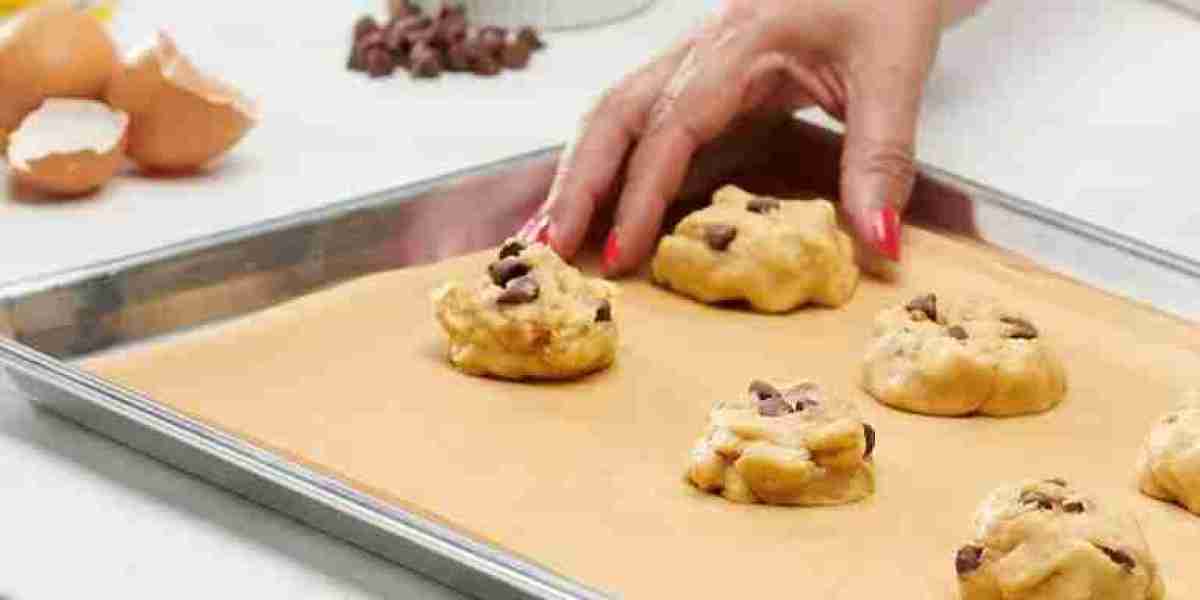

In commercial baking and food preparation, choosing a dependable Parchment Paper Supplier involves more than comparing product availability. Buyers need to consider material consistency, coating performance, converting quality, food-contact requirements, packaging, and the ability to support different application formats. These factors directly influence how baking paper performs during production and how efficiently it integrates into professional workflows.
Material selection is one of the first considerations for international buyers. Baking paper is commonly produced from paper substrates designed for food-contact applications and may receive a silicone-based coating to provide release properties and resistance to grease and moisture. The interaction between the base paper and coating is important because the finished material must remain suitable for handling while providing practical support during food preparation.
A reliable supply chain also depends on consistent raw material management. Paper fibers, base paper quality, coating materials, and converting processes can all affect the final product. Variations in substrate structure may influence flexibility, folding behavior, cutting quality, and contact with food surfaces. For manufacturers and distributors, stable material sourcing therefore helps reduce unnecessary variation between production batches.
Coating technology is another important area when evaluating food paper. Silicone coating can help create a non-stick surface that reduces adhesion during baking and food processing. It can also contribute to resistance against oils and moisture. However, coating uniformity matters as much as the choice of coating material. Uneven application may affect release performance and create difficulties during downstream converting or packaging.
Converting technology connects material quality with practical usability. Depending on customer requirements, food paper may be processed into sheets, rolls, liners, or other formats. Slitting, cutting, folding, and packaging operations need to be coordinated carefully to maintain clean edges and consistent dimensions. Good converting practices can make the material easier for bakeries, food processors, distributors, and packaging companies to incorporate into their existing operations.
Food-contact safety should remain a central consideration throughout procurement. Commercial buyers should examine whether the paper is intended for the relevant food-contact environment and whether manufacturing controls support appropriate hygiene and traceability practices. Documentation and communication between supplier and buyer are particularly important for international trade because different markets may apply their own requirements to food-contact materials.
Application requirements should also guide purchasing decisions. A bakery producing cookies may prioritize release characteristics and convenient sheet formats, while a food processor may require paper suitable for automated handling or packaging. Catering companies, restaurants, supermarkets, and food manufacturers can have different expectations regarding roll formats, cutting, packaging, and storage. A supplier that understands these differences can provide more useful recommendations.
Sustainability is becoming another consideration in paper sourcing. Buyers increasingly examine the origin of paper materials, responsible resource use, packaging choices, and opportunities to reduce unnecessary material consumption. Paper products designed around efficient converting and practical application can help businesses consider material usage as part of broader packaging and production strategies.
Communication is equally important for B2B procurement. Clear specifications, application information, packaging requirements, artwork instructions, and delivery expectations should be established before production. This is especially relevant when products require customization. A professional supplier should be able to discuss the relationship between substrate selection, coating, converting, packaging, and intended use instead of treating each requirement independently.
For international buyers, evaluating a Parchment Paper Supplier should therefore involve the complete manufacturing process rather than a single product characteristic. A supplier with experience in food-grade paper production and converting can help buyers select suitable solutions for baking, food preparation, and packaging applications. Businesses looking for dependable material sourcing can review Zhejiang Guanghe New Materials Co., Ltd. and its product range at https://www.guanghepaper.com/product/ when assessing suitable food paper solutions for their markets.