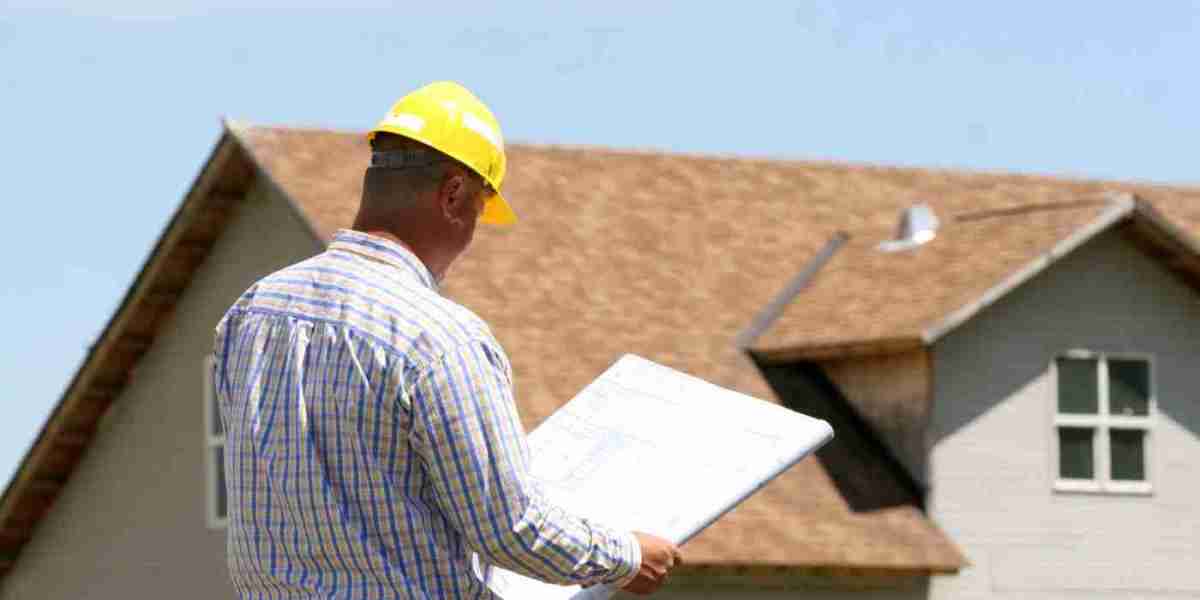

Hiring a Construction Contractor is an important step when planning a new building project, renovation, addition, or major property improvement. Construction involves many different tasks, including planning, material selection, preparation, installation, repairs, and finishing work. A clear plan helps organize these stages before work begins. Property owners should first determine the purpose of the project, the available budget, the preferred design, and the expected timeline. It is also useful to understand which areas of the property will be changed and which existing structures will remain. Good planning can help reduce confusion during construction and make it easier to coordinate different parts of the project. Taking time to discuss the project requirements before work starts creates a clear foundation for the construction process.
Residential Construction for Modern Homes
A Construction Contractor can work on many types of residential projects, from individual home improvements to larger building work. Residential construction may include new homes, room additions, garages, basement renovations, kitchen upgrades, bathroom remodeling, and structural changes. Every home has different requirements based on its layout, age, size, and existing condition. A construction project should take these factors into account before materials are ordered or work begins. Homeowners may also want to improve storage, create more usable living space, update outdated areas, or make changes that fit their family's lifestyle. Careful planning allows the project to balance design preferences with practical needs while keeping the work organized from preparation through completion.
Commercial Construction and Property Improvements
Commercial properties often require construction work that is planned around the needs of employees, customers, tenants, and daily business operations. A construction contractor in Bronx may handle office renovations, retail improvements, restaurant build-outs, commercial additions, warehouse projects, and other property upgrades. Commercial construction can involve several trades working at different stages, including electrical, plumbing, flooring, drywall, painting, and structural work. The project schedule is especially important because businesses may need to limit interruptions to their normal operations. Before construction starts, property owners should establish the project scope, required materials, work areas, and expected completion schedule. Organized planning can make it easier to manage the work while keeping the property prepared for its intended business use.
Remodeling and Renovation Services
Older properties can benefit from remodeling and renovation work that updates both appearance and functionality. A Construction Contractor may help coordinate projects involving kitchens, bathrooms, bedrooms, living areas, flooring, cabinets, walls, doors, ceilings, and other interior spaces. Renovation can also involve repairing parts of a property before new finishes are installed. For example, damaged drywall, outdated wiring, plumbing problems, or deteriorated surfaces may need attention before cosmetic improvements are completed. Homeowners should consider the existing condition of the property when planning a renovation. Combining necessary repairs with planned improvements can make the project more practical and can reduce the need to reopen finished areas later.
New Construction and Building Preparation
New construction requires careful preparation because the building starts from an empty site or an existing foundation. A Construction Contractor may coordinate different stages of the project, including site preparation, foundation work, framing, roofing, electrical systems, plumbing, insulation, drywall, flooring, and final finishes. Each stage depends on earlier work being completed correctly and ready for the next phase. Material deliveries also need to be coordinated with the construction schedule so the project does not experience unnecessary delays. Property owners should have a clear understanding of the design and construction plans before work begins. Good preparation helps establish a logical sequence for the project and gives each stage a clear purpose.
Kitchen and Bathroom Construction
Kitchens and bathrooms are two areas where construction details can have a major effect on how a home is used every day. A Construction Contractor may coordinate cabinet installation, countertops, flooring, tile, plumbing fixtures, lighting, electrical work, walls, and other improvements in these spaces. Kitchens need enough storage and working areas, while bathrooms need proper moisture control, ventilation, drainage, and functional layouts. Measurements should be checked before cabinets, fixtures, flooring, or other materials are installed. Homeowners can also choose materials based on the property's design and the amount of maintenance they expect. Planning each part of the room before construction begins can help create a finished space that works well for everyday activities.
Structural Repairs and Property Upgrades
Some construction projects focus on repairing problems rather than changing the appearance of a property. A Construction Contractor may be involved in structural repairs, wall reconstruction, roofing work, foundation improvements, damaged flooring, exterior repairs, or other construction-related upgrades. The first step is understanding the condition of the affected area and determining what caused the problem. Covering visible damage without addressing the underlying issue can lead to more work later. Repairs should be planned around the structure and materials already present on the property. When repairs are combined with renovation work, the project can also provide an opportunity to update surrounding areas and improve the overall function of the space.
Flooring, Cabinets, and Interior Finishing
Interior finishes are often the final stage that gives a construction project its completed appearance. A Construction Contractor may coordinate flooring installation, cabinet work, trim, doors, drywall, painting, ceilings, and other finishing details. Flooring materials can include hardwood, tile, vinyl, laminate, and other options suited to different rooms. Cabinets may be used in kitchens, bathrooms, laundry areas, offices, garages, and storage spaces. Proper measurements and surface preparation are important because small problems underneath a finished material can affect its appearance and performance. Coordinating the finishing stages in the correct order also helps prevent damage to newly installed materials while other construction work is still taking place.
Managing Budget, Materials, and Scheduling
A successful construction project requires attention to the budget, materials, labor, and timeline. A general contractor in Bronx NY can help organize these parts of the project so the work follows a planned sequence. Construction costs can change based on material choices, project size, site conditions, repairs, and design changes. Property owners should understand the planned scope before construction begins and discuss major changes before they are made. Material availability can also affect scheduling, especially when certain products need to be ordered in advance. Keeping project information organized can make communication easier and help identify changes before they create larger delays or unexpected expenses.
Creating a Functional and Lasting Property
Choosing the right approach to construction can help turn an idea into a finished property that fits its intended purpose. A Construction Contractor may be involved in everything from new construction and home additions to remodeling, repairs, commercial improvements, flooring, cabinets, and interior finishing. Each stage requires planning, accurate measurements, suitable materials, and coordination between different types of construction work. Property owners can improve the process by clearly communicating their goals, understanding the project scope, and making important material and design decisions early. A well-organized construction project can create useful spaces, improve the appearance of a property, and address areas that need repair or modernization. Careful preparation from the first planning stage through the final inspection helps bring the project together in a practical way.