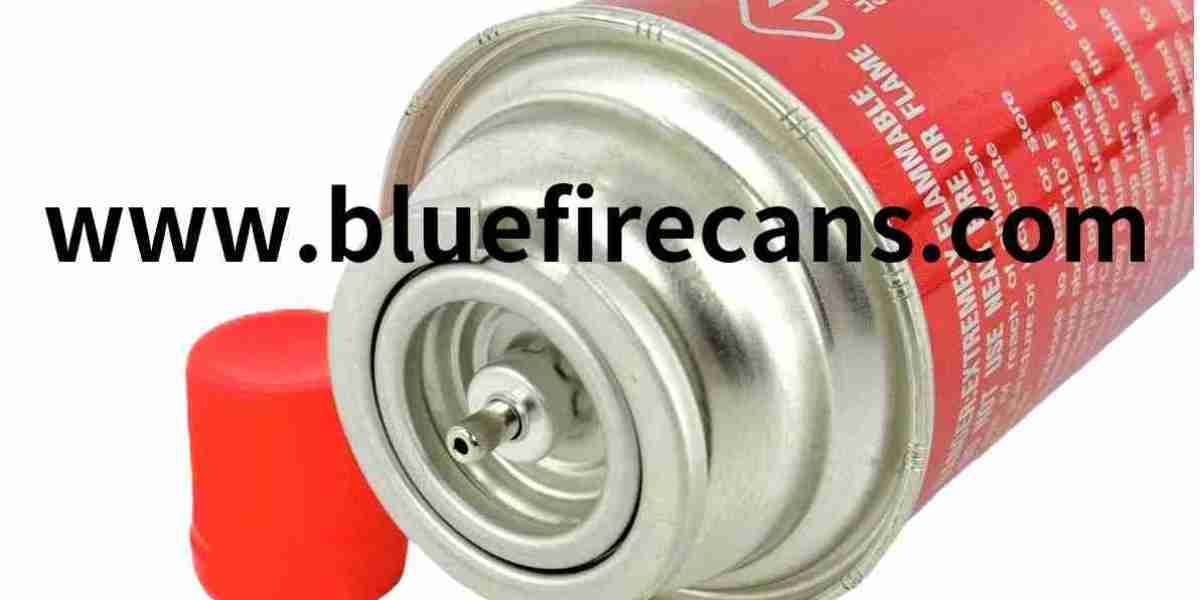

Camping Gas Cartridge is a compact pressurized fuel container designed to supply compatible outdoor cooking equipment. Bluefirecans develops products for applications where users need a portable energy source rather than a fixed kitchen connection. The basic process is straightforward: fuel remains stored under pressure, a suitable connection controls its release, and the appliance converts the released vapor into heat through combustion. Understanding this process helps users make better decisions about compatibility, storage, operating conditions, and responsible outdoor use.
How Does The Fuel Remain Inside
Inside the container, liquefied fuel is held under pressure. Part of the fuel remains in liquid form while another portion becomes vapor within the space above the liquid.
This balance between liquid and vapor creates pressure inside the container. When the appliance is connected and opened, vapor moves toward the burner because of the pressure difference.
The system does not require the user to manually pump the fuel into the appliance. Pressure inside the container naturally supports the flow when the equipment is correctly connected.
What Happens When The Valve Opens
The valve acts as a controlled passage between the container and the cooking appliance. When the connection is properly established, opening the appliance control allows fuel vapor to move toward the burner.
Different portable systems can use different connection designs. Some containers use a self sealing valve, while other systems rely on a puncture mechanism.
Users should always match the container with equipment designed for that connection. Forcing an incompatible connection can create leakage or equipment problems.
How Does Vapor Become Heat
Once the vapor reaches the burner, it mixes with air before combustion. An ignition source then starts the flame.
The flame releases heat that can be transferred to cookware placed above the burner. Users can normally adjust the heat through the appliance control, allowing them to simmer, boil, or cook according to the equipment design.
The efficiency of this process depends on several factors, including burner design, fuel condition, airflow, ambient temperature, cookware, and operating habits.
Why Does Pressure Matter
Pressure is an important part of the system because it provides the force needed to move vapor toward the burner.
As fuel is consumed, the amount of liquid inside the container decreases. Environmental temperature can also affect internal pressure. In colder conditions, vapor production can become less effective, which may influence flame behavior.
This explains why outdoor cooking equipment can behave differently on a warm summer afternoon compared with a cold morning. Users should select equipment and fuel according to the conditions expected during their activity.
How Does Temperature Affect Operation
Temperature can influence vapor pressure and therefore the flow available to the burner.
When the container becomes cold, vaporization may slow down. During extended operation, the remaining liquid can also become cooler as fuel changes from liquid to vapor.
Outdoor users should avoid trying to heat the container directly. Placing a pressurized fuel container near an external heat source can create dangerous pressure conditions.
Instead, users should follow the appliance instructions and operate the system within the conditions specified for the equipment.
Why Is Connection Compatibility Important
A portable cooking system is designed around a particular connection arrangement. The container, valve, connector, regulator, and burner need to work together as intended.
Before a trip, users should check the appliance manual and confirm that the selected fuel container is compatible.
This simple preparation step can prevent problems at the destination. It is especially useful when traveling to remote locations where replacement equipment may not be readily available.
What Role Does The Burner Play
The burner controls how released vapor is mixed with air and converted into a usable flame.
A well designed burner distributes the flame across the cooking area, allowing heat to reach the cookware. The burner design also affects how easily the flame can be adjusted.
Different stoves may produce different flame patterns and heat characteristics even when they use similar fuel sources. Users should therefore evaluate the complete cooking system rather than focusing on the container alone.
Why Does Outdoor Ventilation Matter
Combustion requires oxygen and can produce carbon monoxide. For this reason, portable fuel burning appliances should be used outdoors or in locations specifically designed for their safe operation.
They should not be operated inside tents, vehicles, enclosed rooms, or other poorly ventilated spaces.
Adequate airflow is an important part of responsible outdoor cooking. Users should also keep flammable materials away from the flame and never leave an operating appliance unattended.
How Should The Container Be Stored
Storage conditions can affect both the container and its valve components. The product should be kept according to the manufacturers storage instructions and protected from excessive heat, direct sunlight, impact, and unnecessary moisture.
Users should inspect the container before use. Dents, severe corrosion, damaged valves, or other visible problems are reasons to avoid using the product.
During transportation, the container should be secured so that it does not move around unnecessarily or come into contact with sharp objects.
How Does Bluefirecans Support Outdoor Applications
Bluefirecans focuses on portable fuel products intended for outdoor cooking applications. Its products can be considered by distributors, camping equipment suppliers, recreational users, and project buyers who require compatible fuel solutions for portable cooking systems.
Product selection can be discussed around appliance compatibility, intended application, packaging, storage requirements, and market needs. This allows buyers to consider the complete usage environment rather than selecting a fuel container based only on appearance.
What Should Users Check Before Outdoor Cooking
Before use, users should confirm equipment compatibility, inspect the container and connection area, position the appliance on a stable surface, and follow the instructions supplied with the cooking equipment.
The appliance should be operated in an appropriate outdoor environment with sufficient ventilation. Fuel containers should remain away from excessive heat and ignition sources except where the appliance is designed to use them correctly.
For distributors and buyers looking for portable fuel products for outdoor cooking applications, the https://www.bluefirecans.com/product/ provides a convenient place to review available options and consider suitable products for compatible equipment.