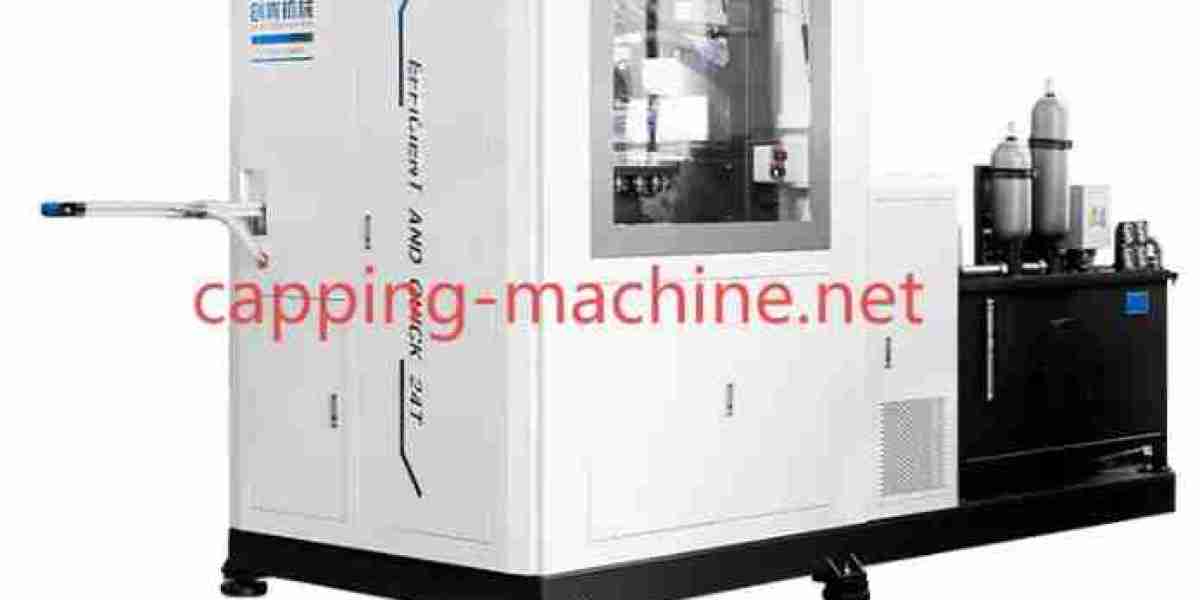

In a packaging environment where product concepts continue to evolve, a Plastic Cap Compression Molding Machine from Capping-Machine provides manufacturers with a focused approach to plastic closure production. Compression molding brings material forming, mould design, cooling, and product removal into a coordinated process, creating an organized foundation for manufacturers seeking practical ways to connect packaging concepts with dependable production.
The design of a plastic closure involves more than creating a recognizable shape. Functional areas, sealing surfaces, external textures, and structural details all need to work together. A carefully arranged compression molding process allows these elements to be considered during mould development and production planning. This relationship between design and manufacturing can help businesses create closures that are aligned with the needs of their intended applications.
Material behavior is another important part of the production process. Different plastic materials can respond differently to pressure, temperature, mould geometry, and cooling conditions. A controlled forming environment gives manufacturers an opportunity to adjust production conditions according to the characteristics of the selected material. This can help create a more predictable relationship between the raw material and the finished closure.
Mould flexibility can also influence the way a production facility responds to changing packaging requirements. Manufacturers may need to produce closures with different profiles, surface details, or functional structures as product concepts develop. A practical moulding setup can provide room for production adjustments while keeping the surrounding workflow organized. This makes equipment selection an important part of long-term manufacturing planning rather than simply an immediate purchasing decision.
The transition between individual production stages deserves equal attention. Material preparation, forming, cooling, removal, inspection, and collection all contribute to the finished product. When these stages are arranged with a clear production logic, the movement of materials can become easier to manage. A well-planned workflow can also reduce unnecessary manual handling and help production teams maintain a more orderly working environment.
Operator experience is another consideration that should not be overlooked. Manufacturing equipment becomes part of the daily routine, so practical access to controls and service areas can make a meaningful difference. A clear machine layout can help operators monitor production conditions, while accessible components can simplify routine inspection and maintenance. These details contribute to a production environment designed around both technology and people.
Packaging appearance is increasingly connected with brand presentation. Although a closure is a functional component, its shape, texture, finish, and overall consistency can influence how a packaged product is perceived. Compression molding provides manufacturers with a production method that can accommodate detailed mould structures, giving designers greater freedom to consider both functional and visual requirements during product development.
Sustainable production thinking is also influencing equipment decisions. Manufacturers are paying closer attention to material utilization, production efficiency, equipment operation, and the overall use of resources. Rather than viewing these factors separately, businesses can evaluate how machine configuration, mould design, material selection, and workflow interact. This broader perspective can support more thoughtful production planning.
As packaging requirements continue to shift, manufacturers need equipment that can remain relevant as their product ideas change. The value of a production system lies not only in its forming function but also in how naturally it fits into the wider manufacturing environment. Careful consideration of mould compatibility, material characteristics, maintenance requirements, workflow design, and future product development can help create a more adaptable production foundation.
Your next closure concept may begin as a sketch, a sample, or simply an idea waiting for the right manufacturing path. Turn that idea into a closer look at practical production possibilities by visiting https://www.capping-machine.net/product/ . Sometimes the next step in packaging innovation starts with a machine worth seeing.