
In modern industrial environments, a Centrifugal Blower can provide a practical approach to moving air through ventilation, cooling, drying, exhaust, and process systems, while Cbbmachine focuses on machinery solutions shaped around real production requirements. Airflow is often an invisible part of manufacturing, yet it can influence equipment temperature, material handling, workplace conditions, and process stability. Choosing a suitable air-moving system therefore requires attention to the complete application rather than focusing on airflow alone.
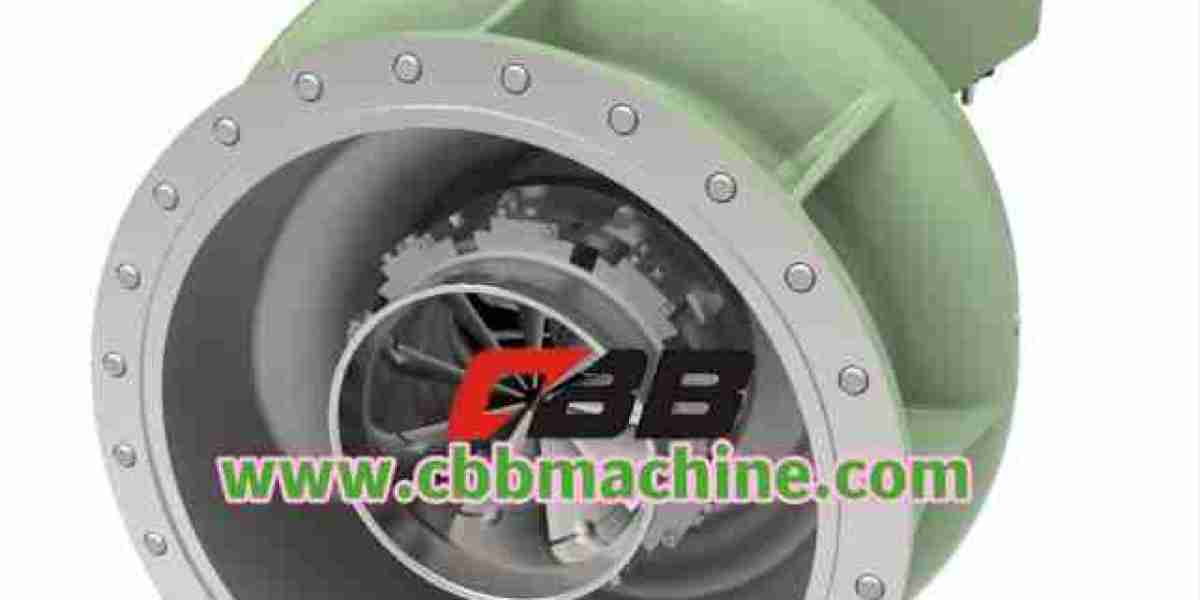
The basic principle is straightforward: air enters the rotating assembly and is redirected outward through centrifugal force before being guided into the discharge system. This arrangement allows the equipment to work effectively within systems where air needs to travel through ducts, chambers, filters, enclosures, or processing equipment.
Industrial applications can vary considerably. Some production environments require ventilation to remove unwanted heat or airborne particles, while others depend on directed air for drying, cooling, or material processing. The same general technology can therefore serve very different purposes when properly matched to the surrounding equipment.
Drying applications provide a clear example. Manufacturing processes may involve moisture, coatings, cleaning stages, or treated surfaces that require controlled air movement. A carefully positioned blower can help deliver air toward the desired area, supporting a more consistent process environment and allowing the overall machine to operate according to its intended workflow.
Cooling is another common requirement. Machinery operating continuously can generate heat around motors, electrical components, processing chambers, and other working areas. Appropriate ventilation can help move warm air away from critical locations and introduce a more suitable airflow pattern. This makes air management an important consideration when designing production equipment.
Exhaust systems also benefit from controlled air movement. Where manufacturing generates fumes, dust, vapors, or unwanted heat, the ventilation structure needs to transport air effectively from the relevant area toward the appropriate treatment or discharge point. The blower becomes part of a larger system that includes ducting, filtration, collection, and environmental management components.
Equipment selection should take the complete air path into account. Duct dimensions, bends, filters, dampers, discharge arrangements, surrounding machinery, and operating conditions can all influence how the system behaves. Looking at the blower separately from these elements may lead to an incomplete assessment. A coordinated approach is more useful when the goal is stable and practical airflow.
Mechanical construction also matters in demanding environments. Rotating equipment should be considered in relation to installation conditions, maintenance access, surrounding structures, and expected operating patterns. Convenient inspection and servicing can make routine equipment management easier and help production teams address potential issues before they become disruptive.
Noise and vibration can also influence the working environment. Proper installation, balanced rotating components, suitable mounting, and thoughtful system design can contribute to more controlled operation. These considerations become particularly relevant when air-moving equipment is installed close to operators or integrated into enclosed machinery.
Another important consideration is application flexibility. Industrial systems are rarely identical. Different manufacturers may require different airflow directions, installation arrangements, drive configurations, or connection structures. A suitable solution should therefore be evaluated according to the actual production environment and the role the equipment is expected to perform.
For machine builders, integrating air movement into the original equipment design can provide greater freedom when arranging cooling paths, drying zones, exhaust channels, and ventilation structures. Rather than adding airflow equipment after the machine has been completed, engineers can consider air movement as part of the overall mechanical architecture.
The most useful air-moving solution is one that quietly supports the production process without making operation unnecessarily complicated. When airflow, machine structure, and process requirements are considered together, ventilation and process-air management become easier to approach as a complete engineering task.
Every production line has an atmosphere of its own, even when that atmosphere cannot be seen. Give yours a new direction by visiting https://www.cbbmachine.com/product/ , where your next click could turn an airflow challenge into the beginning of a practical machine solution.