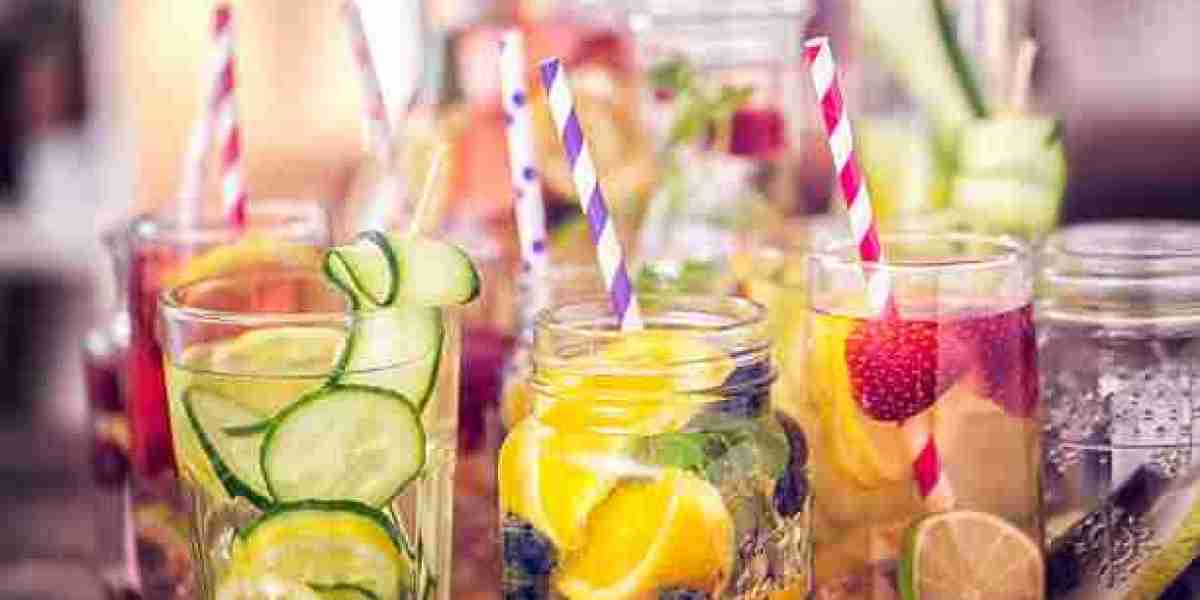

The global beverage landscape is undergoing a seismic transformation as consumers increasingly seek alternatives to traditional alcoholic drinks. The non-alcoholic RTD beverages market has emerged as one of the most dynamic segments within the broader drinks industry, driven by shifting social norms, health consciousness, and a growing appreciation for sophisticated flavor profiles that do not require alcohol. What was once a niche category limited to sugary sodas and basic juices has evolved into a diverse ecosystem of premium mocktails, functional elixirs, and craft-inspired alcohol-free options that rival their boozy counterparts in complexity and appeal.
This explosive growth is fueled by the rising popularity of ready to drink refreshments that cater to the mindful drinking movement. The "sober curious" phenomenon, popularized by millennials and Gen Z consumers, has normalized the choice to abstain from alcohol without sacrificing social experiences. These consumers are not necessarily teetotalers but rather individuals who moderate their alcohol intake for health, wellness, or personal reasons. They seek beverages that feel special and celebratory, not merely substitutes for what they are avoiding. This has led to the emergence of sophisticated non-alcoholic spirits, adaptogenic tonics, and botanical-infused drinks that offer the ritual and complexity of a cocktail without the intoxicating effects.
The health and wellness trend is a primary driver of market expansion. Consumers are increasingly aware of the negative health impacts associated with alcohol consumption, including liver damage, weight gain, and disrupted sleep. Non-alcoholic RTD beverages offer the social connection of drinking without these drawbacks. Many products in this space are formulated with functional benefits, incorporating ingredients like electrolytes, vitamins, nootropics, and probiotics. These beverages are marketed not just as alcohol alternatives but as health-enhancing products that support hydration, focus, and overall well-being. The convergence of the beverage and supplement industries has created a new category of functional refreshments that appeals to health-conscious consumers.
Flavor innovation has been critical to the market's success. Gone are the days when non-drinkers were limited to overly sweet mocktails or plain sparkling water. Today's non-alcoholic RTD beverages feature sophisticated flavor combinations that would impress any mixologist. Botanical infusions with notes of juniper, cardamom, and elderflower mimic the complexity of gin. Fermented options like kombucha and water kefir provide natural effervescence and tangy depth. Bitters, citrus peels, and exotic spices create layered taste experiences that engage the palate. This focus on flavor has attracted not just non-drinkers but also adventurous consumers who simply enjoy trying new and interesting beverages.
The retail landscape for these products is expanding rapidly. Traditional grocery stores are dedicating more shelf space to non-alcoholic options, while specialty retailers and online platforms offer curated selections. Bars and restaurants are increasingly including sophisticated non-alcoholic options on their menus, recognizing that designated drivers, pregnant women, and sober patrons deserve equally thoughtful beverage choices. The hospitality industry's embrace of the category has validated it in the eyes of consumers and accelerated adoption. As social norms continue to evolve and health awareness grows, the non-alcoholic RTD beverages market is positioned for sustained long-term growth.
FAQs
What are non-alcoholic RTD beverages?
Non-alcoholic RTD (ready-to-drink) beverages are pre-packaged drinks that contain no alcohol or very low alcohol content (typically less than 0.5% ABV). They include mocktails, alcohol-free beers and spirits, functional drinks, botanical sodas, and enhanced waters that are designed to be consumed directly from the container without preparation.
Are non-alcoholic RTD beverages healthier than regular soft drinks?
Many non-alcoholic RTD beverages are formulated with health benefits in mind, containing fewer calories, less sugar, and functional ingredients like vitamins and adaptogens compared to traditional soft drinks. However, not all products are equally healthy, so consumers should read nutritional labels carefully to understand what they are consuming.