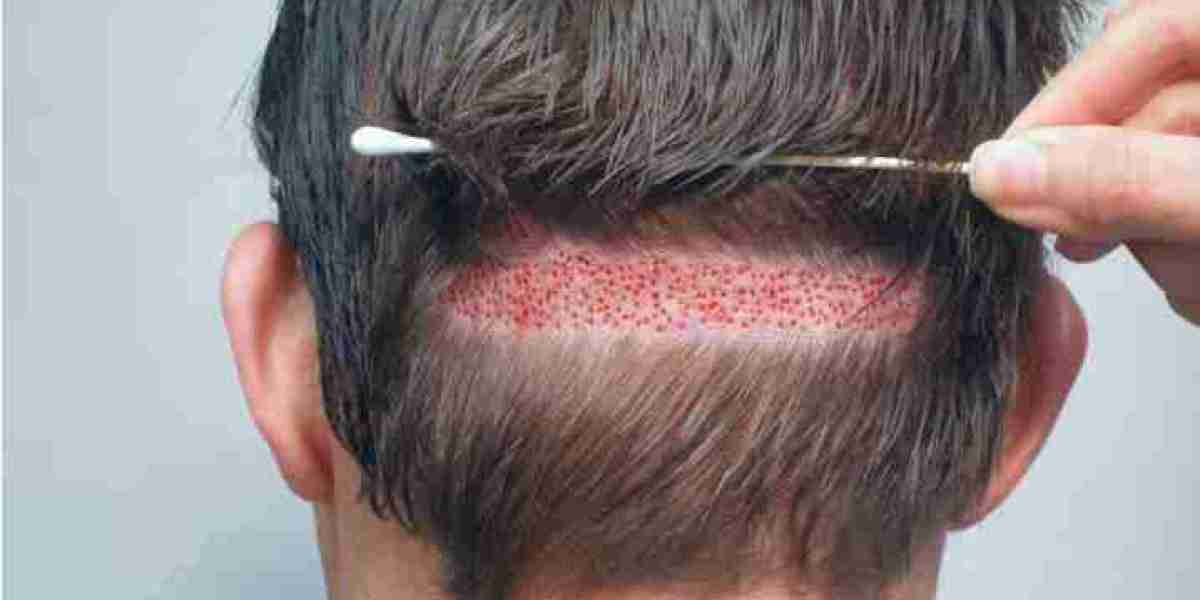

Hair Transplant in Lahore is becoming an increasingly considered solution for people dealing with male pattern baldness, thinning hair, receding hairlines, and other forms of hair loss. For Pakistani patients, choosing the right surgeon, understanding the procedure, and having realistic expectations are important before making a decision. A consultation can help determine whether transplantation is suitable and which technique may provide the most natural-looking outcome.
Why Consider Hair Restoration?
Hair loss can affect confidence, appearance, and everyday social interactions. A hair transplant is a surgical procedure that redistributes your own healthy hair follicles from a donor area, usually the back or sides of the scalp, to areas affected by hair loss. Unlike temporary cosmetic solutions, transplanted follicles can provide long-term growth when the patient is appropriately selected and the procedure is carefully planned.
Step 1: Start With a Professional Consultation
The first stage is a detailed scalp and hair assessment. The surgeon evaluates the pattern of hair loss, donor-area density, scalp condition, existing hair, and future hair-loss risk. Your desired hairline and expected density should also be discussed.
Dr. Burhan Ashraf is a dermatologist and hair transplant surgeon practicing in Lahore. His listed qualifications include FCPS Dermatology, MRCP qualifications, and Diplomate of the American Board of Hair Restoration Surgeons.
A professional consultation is particularly important because not every person with hair loss is an ideal candidate for surgery. Sometimes medical treatment or additional evaluation may be recommended before transplantation.
Step 2: Select the Appropriate Technique
There is no single technique that is best for every patient. FUE, FUT, DHI, and hybrid approaches may be considered depending on donor availability, the extent of baldness, desired density, and the surgeon's assessment.
FUE involves extracting individual follicular units from the donor area, while FUT involves removing a strip of scalp and separating it into grafts. DHI uses an implanter device to place follicles directly into the recipient area. The appropriate method should be selected according to the patient's individual circumstances rather than simply choosing the most heavily advertised technique.
Step 3: Understand Hybrid Hair Transplant in Pakistan
Hybrid Hair Transplant in Pakistan may combine FUE and FUT techniques during the same treatment plan. According to the clinic associated with Dr. Burhan Ashraf, this approach can be considered when a larger number of grafts may be required and the available donor hair needs to be utilized strategically.
However, a hybrid procedure is not automatically better for everyone. The surgeon should first assess donor capacity, baldness pattern, scalp characteristics, and long-term restoration goals before recommending it.
Step 4: Hairline Design and Graft Planning
One of the most important parts of the procedure is designing a natural-looking hairline. A good hairline should complement your facial proportions rather than look artificially straight or excessively low.
The number of grafts required also varies from person to person. Someone requiring a small hairline correction may need considerably fewer grafts than a patient with extensive frontal and crown hair loss. Strategic graft placement can help create natural density while preserving donor hair for possible future needs.
Step 5: The Transplant Procedure
On the day of surgery, the donor and recipient areas are prepared, and local anesthesia is generally used to keep the procedure comfortable. Hair follicles are then harvested and prepared before being implanted into carefully planned recipient sites.
The duration depends on the number of grafts and the chosen technique. Some procedures can take several hours, particularly when a large number of grafts are required. The treatment should be performed in a properly equipped clinical environment with appropriate medical supervision.
Step 6: Recovery and Aftercare
Following surgery, patients may experience temporary redness, swelling, tenderness, or small scabs around the treated areas. Your surgeon will provide specific instructions regarding washing, sleeping position, medications, physical activity, and scalp care.
It is important not to judge the final result too quickly. Transplanted hairs may initially shed before new growth develops. Hair growth is gradual, and noticeable improvement generally takes several months, with the final outcome often assessed around 9–12 months depending on the individual.
Understanding Hair Transplant Cost in Lahore
Hair transplant cost in Lahore varies according to the number of grafts, technique, surgeon, clinic facilities, and complexity of the case. Published Lahore pricing examples show substantial variation, so patients should avoid selecting a clinic based only on the lowest advertised price.
During your consultation, ask for a clear treatment plan and understand what is included in the quoted price. A transparent discussion can help you compare clinics more effectively.
Choosing the Right Surgeon
When considering hair transplant in Pakistan, look beyond promotional claims. Check the surgeon's medical qualifications, hair-restoration experience, before-and-after cases, consultation process, clinic standards, and follow-up care.
Dr. Burhan Ashraf provides hair-restoration services in Gulberg, Lahore, including FUE, FUT, DHI, and hybrid procedures. His clinic lists its location as Block B, 16-A, 3 Hali Road, Gulberg, Lahore.
Frequently Asked Questions
Is a hair transplant permanent?
Transplanted follicles are generally selected from areas that are more resistant to pattern hair loss, but the long-term outcome varies between patients. Existing non-transplanted hair can continue to thin, so ongoing medical advice may be important.
How long does it take to see results?
Hair restoration is gradual. Initial shedding can occur after transplantation, followed by new growth over the following months. The final density should be assessed after sufficient time has passed rather than immediately after surgery.
Is FUE painful?
FUE is generally performed under local anesthesia. Patients may experience some discomfort, tenderness, or sensitivity during recovery, but the level varies between individuals.
Who is a suitable candidate?
Candidates typically need sufficient healthy donor hair and a stable or appropriately managed pattern of hair loss. A qualified surgeon should evaluate your scalp and overall circumstances before recommending surgery.
Should Pakistani patients travel abroad for treatment?
Not necessarily. Patients should compare surgeon qualifications, safety standards, experience, costs, follow-up arrangements, and expected results rather than assuming that treatment abroad is automatically superior.
Final Thoughts
Choosing hair restoration is an important personal decision. A successful treatment plan depends on accurate diagnosis, realistic expectations, appropriate graft planning, skilled surgical technique, and proper aftercare. For patients considering Hair Transplant in Lahore, starting with an experienced hair-restoration surgeon such as Dr. Burhan Ashraf can help you understand your options and develop a treatment plan suited to your hair-loss pattern and long-term goals.