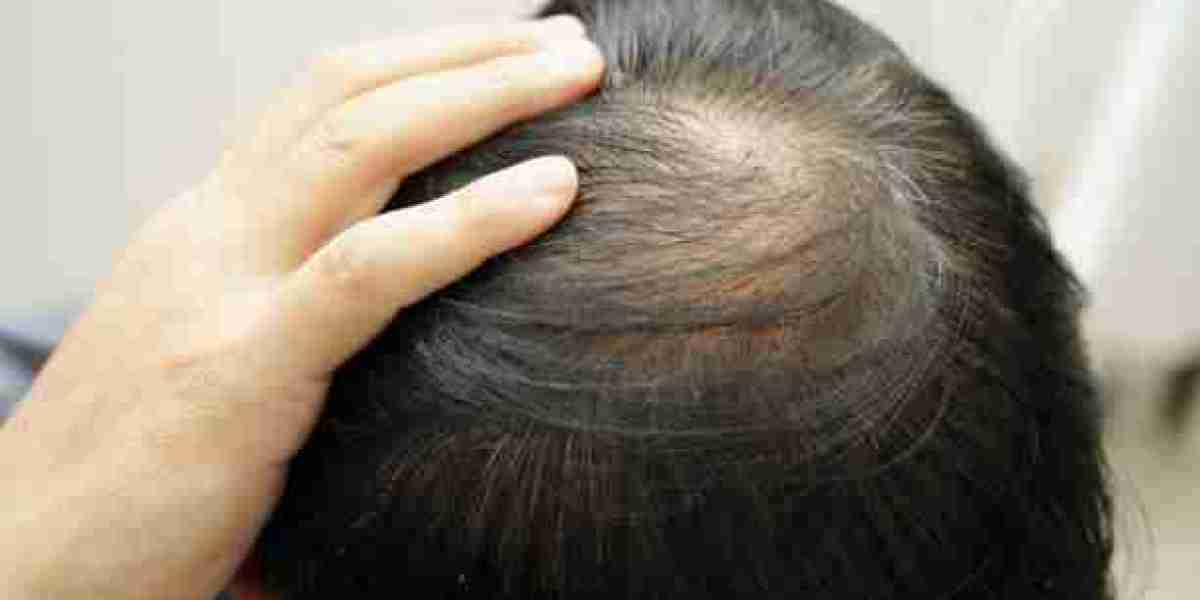

Early hair thinning can be easy to overlook, particularly when changes happen gradually rather than suddenly. A slightly wider part, reduced volume, or more visible scalp may be among the first signs that hair density is changing. Recognizing these changes early can encourage a more informed approach to Hair loss treatment in Riyadh, especially when the goal is to understand the cause and support the health of existing follicles.
Hair thinning can develop for many different reasons, including genetics, aging, hormonal changes, stress, nutritional factors, scalp conditions, and certain hair-care practices. Because every pattern of hair loss is different, identifying the contributing factors is an important part of choosing an appropriate solution. Professional guidance can help determine whether Hair loss treatment in Riyadh may be suitable for supporting healthier-looking density and managing concerns before they become more noticeable.
Recognizing the Early Signs of Hair Thinning
Early thinning does not always involve large amounts of hair falling out. In some cases, the main change is that individual strands gradually become finer or the overall volume begins to decrease.
Common signs can include increased hair shedding, a widening part, reduced coverage around the crown, a changing hairline, or greater visibility of the scalp. Comparing current hair density with older photographs can sometimes make gradual changes easier to recognize.
Why Early Hair Changes Should Be Evaluated
Hair thinning can have temporary or progressive causes. For example, increased shedding may follow periods of significant stress or other changes in the body, while inherited patterns can gradually affect follicle activity.
An assessment can help distinguish between different patterns and identify factors that may be contributing to the change. Understanding the cause can make treatment planning more targeted and help avoid relying on unsuitable approaches.
Factors That May Contribute to Early Thinning
Genetic Hair-Loss Patterns
Family history can influence the likelihood of developing progressive thinning. Genetic hair loss may gradually affect specific areas, including the temples, frontal hairline, crown, or central scalp.
Hormonal Influences
Hormonal fluctuations can affect the normal hair-growth cycle. Changes related to aging or other hormonal factors may sometimes be associated with increased shedding or reduced density.
Stress and Lifestyle
Prolonged stress, inadequate rest, and major lifestyle changes can influence the hair cycle in some individuals. Maintaining healthier routines may support general well-being while the underlying cause of hair loss is assessed.
Scalp Health
Excessive oil, buildup, irritation, or other scalp concerns can affect the overall hair environment. Persistent itching, redness, flaking, or discomfort should be discussed with a professional rather than ignored.
Treatment Approaches for Early Hair Thinning
The most appropriate treatment depends on the reason for hair loss and the condition of the existing follicles. Early-stage thinning may provide an opportunity to focus on supporting follicles that are still producing hair.
PRP Hair Treatment
Platelet-rich plasma, or PRP, uses a concentrated component of the patient's own blood and introduces it into selected areas of the scalp. It may be considered for certain individuals with thinning hair as an approach intended to support the follicular environment and healthier-looking growth.
Medical and Topical Options
Depending on the diagnosis, medical or topical approaches may be recommended to support existing follicles or address particular forms of shedding. Professional guidance is important because treatment suitability varies between individuals.
Hair Transplantation
Hair transplantation may be considered when thinning has progressed to areas requiring additional coverage and sufficient donor hair is available. Healthy follicles are moved from a suitable donor region to areas where increased density is desired.
Protecting Existing Hair Through Daily Care
Everyday hair-care habits can influence the appearance and condition of existing strands. Using gentle cleansing methods, avoiding aggressive brushing, and reducing excessive heat exposure can help minimize avoidable breakage.
Frequent chemical processing and hairstyles that place continuous tension on the roots may also contribute to hair damage. A gentler styling routine can help protect the strands while professional treatment focuses on the underlying hair-loss concern.
Supporting Hair and Scalp Wellness
A balanced lifestyle can complement a professional hair-care strategy. Adequate protein and overall nutritional balance are important for normal bodily functions, while consistent sleep and stress management may support general wellness.
It is important to remember that lifestyle improvements cannot correct every form of hair loss. When thinning continues despite healthy habits, professional assessment can help determine whether another underlying factor needs attention.
The Importance of Personalized Evaluation
Two people may experience similar-looking thinning but have completely different underlying causes. One person may have temporary shedding, while another may be experiencing an inherited pattern of follicle miniaturization.
A personalized consultation can consider the duration of hair loss, distribution of thinning, family history, scalp condition, previous treatments, and individual expectations. These details can help guide a more suitable treatment strategy.
What Happens During a Hair Loss Consultation?
A consultation generally begins with a discussion about when the thinning started and how it has changed. The scalp and visible hair density may then be examined to identify areas of reduced coverage and determine the overall pattern.
The professional may also discuss lifestyle factors, hair-care habits, previous treatments, and other relevant concerns. Once the assessment is complete, suitable options can be explained along with realistic expectations.
When Should You Seek Professional Advice?
If you notice persistent shedding, reduced hair volume, a widening part, receding areas, or increasing scalp visibility, it may be useful to seek professional guidance. Addressing concerns while thinning is still developing can help clarify the underlying cause and identify suitable management options.
Early evaluation does not guarantee that hair loss will stop or that density will fully return. However, it can provide a clearer understanding of the condition and whether Hair loss treatment in Riyadh is appropriate for your individual needs.
Book Your Consultation at Royal Clinic Saudia
If you have noticed early signs of thinning and want to understand your treatment options, Royal Clinic Saudia can provide a personalized consultation focused on your hair and scalp concerns. A professional assessment can help you explore suitable approaches based on your current hair condition, pattern of thinning, and personal goals.
FAQs:
What are the earliest signs of hair thinning?
A widening part, reduced volume, finer strands, increased shedding, and greater scalp visibility can be early signs.
Can early hair thinning be caused by stress?
Yes. Significant or prolonged stress can sometimes influence the hair-growth cycle and increase shedding.
Is PRP suitable for early hair thinning?
PRP may be considered for suitable individuals, depending on the cause of thinning and the condition of existing follicles.
Should I wait until my hair loss becomes severe before seeking help?
No. A professional assessment can help identify possible causes and suitable options before thinning becomes more advanced.