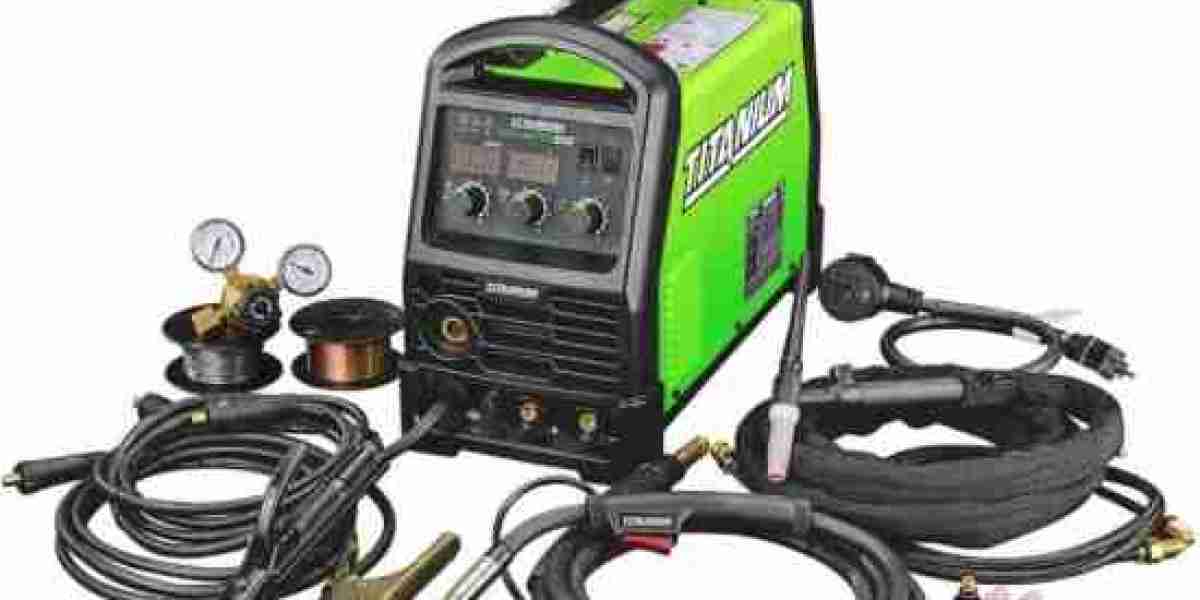

OEM Pulse MIG Welder solutions can serve manufacturers working with different materials, joint designs, and production environments. Instead of being limited to one sector, this type of welding technology can support applications where controlled heat input, stable arc behavior, and repeatable operation are important. Its practical value depends on how well the equipment matches the production process, material combination, and working conditions.
Automotive Manufacturing
Automotive production involves many metal components that require controlled joining processes. Body structures, brackets, frames, exhaust-related parts, and other assemblies can involve thin or medium-gauge materials where excessive heat may affect dimensions or surface appearance.
Pulse operation can provide a controlled transfer process that helps operators manage the weld pool during different tasks. For manufacturers producing multiple component types, a flexible machine platform can also make it easier to adjust production settings according to individual workpieces.
Transportation Equipment
Transportation manufacturing covers vehicles, trailers, rail components, and other structures. These products may combine aluminum, stainless steel, and carbon steel components, creating different joining requirements within the same facility.
A suitable welding system can support production teams when they move between materials, joint positions, and component shapes. This flexibility is useful for factories that manufacture several product categories rather than concentrating on a single standardized assembly.
Metal Fabrication
General fabrication is another important application area. Fabricators may produce frames, cabinets, supports, brackets, machinery parts, and custom structures for different customers.
Their production environment often changes from one project to another. A welding machine that allows practical parameter adjustment can help operators adapt to different joint designs and material conditions. Pulse functions can also be useful when appearance, heat control, or reduced post-weld cleanup is part of the production objective.
Machinery Manufacturing
Manufacturers of agricultural machinery, industrial equipment, material-handling systems, and mechanical assemblies often work with welded frames and structural components. These products can involve long seams, multiple joint positions, and different material thicknesses.
In these environments, the welding process needs to fit the complete workflow rather than one individual operation. Equipment configuration, operator controls, torch arrangement, wire selection, and working environment can all influence daily production. A suitable solution should therefore be considered as part of the manufacturing process.
Construction and Structural Fabrication
Construction-related fabrication includes steel structures, architectural components, support assemblies, and prefabricated metal sections. Production requirements can vary significantly depending on the size and shape of the workpiece.
Pulse welding can be considered for applications where operators need greater control over the arc and weld pool. This can be relevant for components requiring different welding positions or materials that require careful heat management. However, the correct process still depends on material type, joint design, applicable procedures, and production conditions.
Shipbuilding and Marine Components
Marine manufacturing involves large assemblies as well as smaller structural parts. Ship sections, brackets, frames, pipelines, and equipment supports can require different welding approaches throughout the production process.
A configurable welding platform can help manufacturers accommodate changing tasks across workshops. When working with aluminum or stainless materials, controlled heat input can also become an important consideration during process planning.
Food Processing Equipment
Stainless steel fabrication is common in equipment used for food processing because surface condition and cleanability matter. Tanks, frames, piping assemblies, tables, and other components may require carefully controlled joining.
In these applications, manufacturers often pay attention to weld appearance, distortion, finishing requirements, and the amount of post-weld treatment. A suitable pulse-based process can be considered when these factors are part of the production workflow.
How Can Manufacturers Choose A Suitable Solution?
Industry alone should not determine equipment selection. Manufacturers should also evaluate the materials they use, joint configurations, production frequency, operator experience, available power, workspace conditions, and whether manual or automated production is planned.
This is where OEM development can provide practical value. Instead of treating every factory as having identical requirements, the equipment configuration can be discussed around the intended application. Control functions, operating preferences, external design, accessories, and other production-related elements can be considered according to the project.
For manufacturers seeking welding solutions for different industrial applications, Auokvs provides a product range that can be considered according to specific production scenarios and customization requirements. Companies can review available options and product categories at https://www.auokvs.com/product/