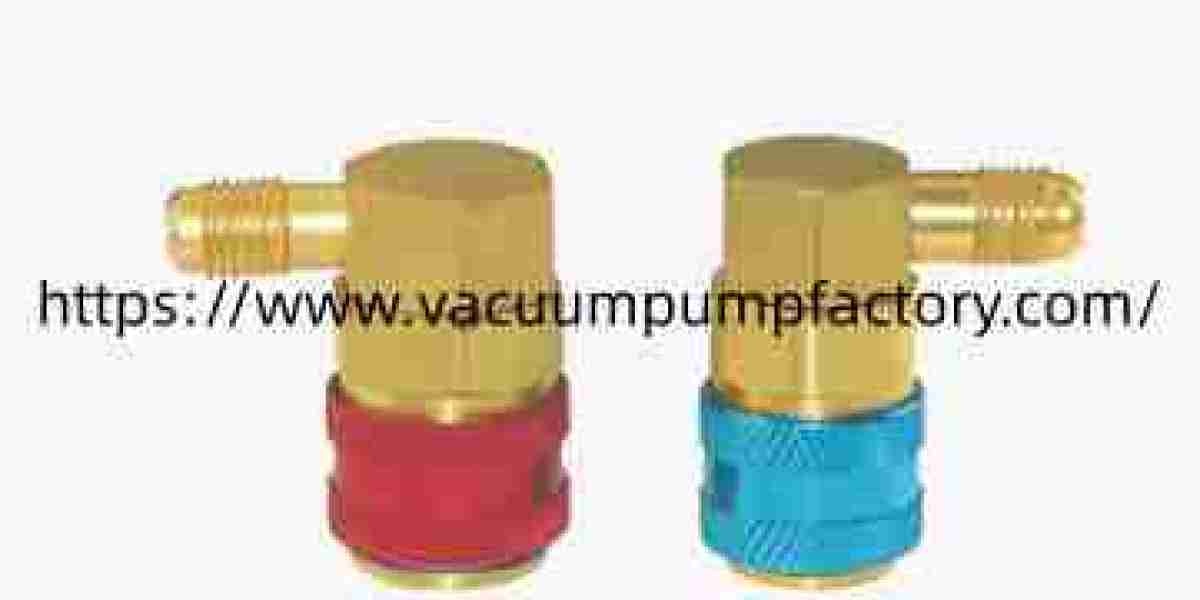

Refrigerant Accessories selection should begin with the actual service conditions rather than the appearance of a component. HVAC technicians may need hoses, valves, couplers, adapters, bottle openers, or connection parts for installation, charging, maintenance, and testing. Each application can involve different thread standards, pressure requirements, materials, and connection methods. Buyers should therefore compare dimensions, compatibility, sealing structure, pressure ratings, temperature limits, handling requirements, and replacement options before placing an order. A clear specification review can help customers select components that fit their existing workflow.
Start With the Connection Standard
Connection compatibility should be one of the first items on a purchasing checklist. Buyers can confirm thread type, connection size, gender, fitting shape, and equipment-side port specifications before choosing a component.
Even when two parts look similar, their connection standards may differ. Using an incorrect fitting can create installation difficulties or prevent a secure connection.
For companies handling several equipment types, keeping a record of commonly used port specifications can make future purchasing more organized.
Check Pressure Requirements
Pressure rating is another important factor. Hoses, valves, couplers, and adapters should be selected according to the pressure conditions expected during service.
Buyers should review working pressure, allowable temperature range, and any relevant burst or safety information supplied by the manufacturer.
The actual application matters as well. A component intended for one service condition should not automatically be assumed to suit another system with different pressure requirements.
Examine Sealing Structure
A connection is only useful when the mating surfaces can form an appropriate seal. Buyers should examine gasket materials, sealing surfaces, valve structures, O-rings, and other details that affect connection integrity.
Regular inspection is also important. Seals can become worn, hardened, contaminated, or damaged through repeated use.
For maintenance teams, replacement seal availability can be worth checking before purchase. Having suitable replacement parts available may make routine service planning easier.
Compare Material Selection
Material can influence how a component behaves under pressure, temperature changes, moisture exposure, and repeated handling.
Buyers can compare brass, stainless steel, polymer, rubber, and other materials according to the intended application. The correct choice depends on the component type and the working environment.
Corrosion exposure should also be considered when equipment is regularly used outdoors, in humid mechanical rooms, or in locations where cleaning chemicals may be present.
Consider Hose Requirements
Hoses deserve separate attention because they are frequently moved, bent, connected, and disconnected during service.
Buyers should check hose length, inner construction, flexibility, connection type, pressure rating, temperature range, and compatibility with the intended application.
A hose that is too short may restrict positioning, while excessive length can make equipment organization less convenient. The right length should match the actual service setup.
Current industry guidance also emphasizes checking hose material, pressure rating, connection design, and length when preparing service equipment.
Review Quick Coupler Design
Quick couplers can reduce the time required to connect and disconnect service lines. However, buyers should not evaluate them only by connection speed.
Important details include locking structure, port dimensions, sealing method, operating pressure, and compatibility with the equipment being serviced.
For mixed fleets or different service platforms, buyers should clearly identify each coupler type before ordering. This can help reduce accidental mismatching during busy field work.
Check A2L Compatibility
A2L applications have created additional attention around service equipment selection. Buyers working with newer systems should check whether adapters, hoses, valves, and connection components are specifically suitable for the intended application.
For example, some A2L service solutions use different connection arrangements for cylinders, making adapter selection important. Current supplier documentation also lists left-hand connection adapters and related hoses for A2L applications.
Rather than assuming that an older component can be used in every situation, technicians should review the manufacturer's application information.
Think About Installation Convenience
A component may meet the basic specification but still be inconvenient to use. Buyers should consider grip, valve position, connector orientation, access space, and the number of steps required for installation.
A compact fitting can be useful in confined spaces, while a valve with an accessible control can make operation easier during service.
These practical details become increasingly relevant for technicians who repeat the same procedures across many job locations.
Consider Replacement and Maintenance
Service components experience wear over time. Threads may become damaged, seals may require replacement, and hoses may eventually need inspection.
Buyers should therefore ask whether replacement components are available and whether maintenance instructions are provided.
For distributors and service companies, replacement availability can also influence inventory planning. Frequently used seals, couplers, valves, and hoses may be worth keeping as regular stock.
Evaluate Supplier Technical Information
Clear product information can simplify purchasing. Buyers should look for dimensions, connection standards, material details, pressure information, compatible applications, packaging information, and available configurations.
For OEM and wholesale customers, technical documentation can also help when comparing several models or preparing product lists for different markets.
vacuumpumpfactory provides a range of connection and service components, including quick coupler adapters, charging valves, bottle tap valves, and related HVAC parts. The product range gives buyers different configuration options for evaluating their specific service requirements.For customers preparing to source components for HVAC maintenance, installation, or distribution, buyers can review the available product range through the https://www.vacuumpumpfactory.com/