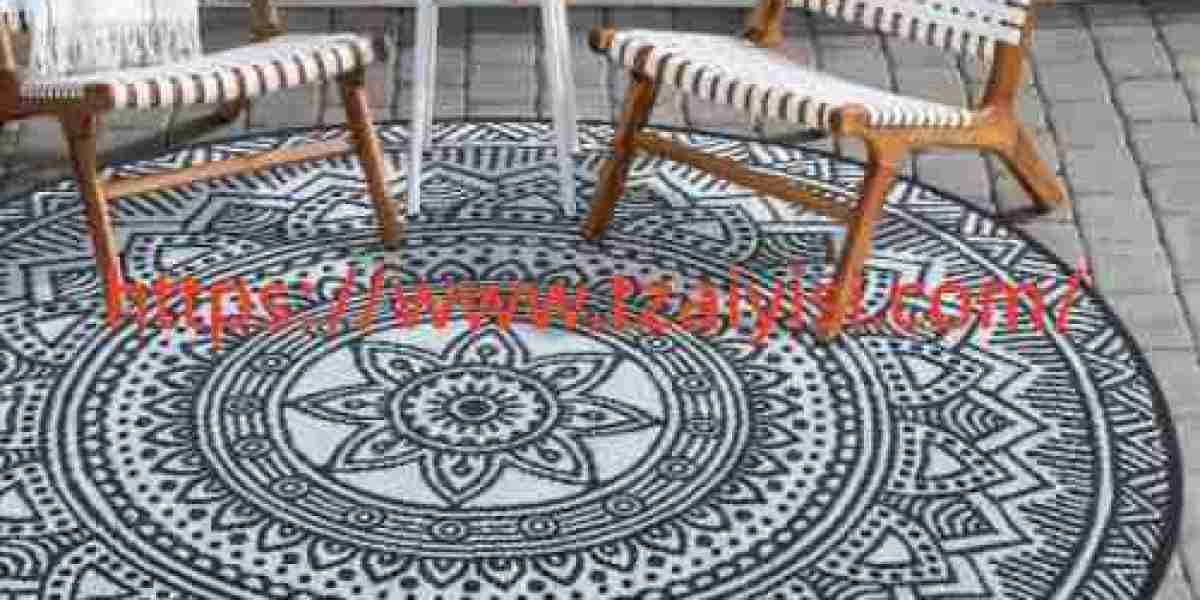

PP Weaving Straw RV Rug options have grown popular among people who spend time in mobile homes because they bring a natural grass appearance to elevated platforms and open outdoor zones without the upkeep of real plants. These coverings handle regular foot traffic from family and guests while staying light enough to move or store when the schedule changes. Owners appreciate how the surface feels soft yet sturdy underfoot during morning coffee or evening conversations.
Many people who travel prefer these mats because they drain water quickly after rain or dew. The construction allows moisture to pass through so the area underneath dries faster than solid materials. This feature reduces the chance of damp spots forming during humid days or after washing the surrounding space. Dirt and leaves can be shaken off or swept away with minimal effort which saves time during busy travel days.
Comfort plays a large role in the preference. The textured surface provides a gentle cushion that feels pleasant for bare feet or light shoes. Children and pets can move around freely without the hard feel of bare boards. At the same time the material holds up against repeated use so it continues to look presentable through multiple seasons of activity.
Weather resistance adds further appeal. Sun exposure fades many outdoor items yet these coverings maintain their color longer under strong light. Wind does not easily shift them when they sit flat against the surface. Cold mornings and warm afternoons both leave the material usable without becoming brittle or overly soft. Owners who park in varied climates find this consistency helpful for planning outdoor time.
Cleaning routines stay simple. A hose or broom removes most debris after a day of use. Mild soap works for deeper spots without special products. The open structure prevents mud or sand from packing tightly into the fibers. This ease of care matters when time between stops is limited and outdoor areas need to stay ready for the next meal or gathering.
Storage and transport also influence the choice. The coverings roll or fold into compact shapes that fit into limited compartments. Weight stays manageable so one person can handle placement or removal. When the season ends or the route shifts the pieces take little space compared with bulkier alternatives. This practicality supports spontaneous changes in plans.
Appearance contributes to the overall experience. The natural look softens the visual lines of metal and wood surfaces common around temporary homes. It creates a warmer feeling that invites people to spend more time outside. Matching the covering with existing chairs tables and planters becomes straightforward because the neutral tones blend with many styles.
Durability under daily activity keeps these mats in rotation longer. Scuffs from chairs or footsteps do not show as quickly as on smoother surfaces. Edges hold their shape instead of fraying after repeated movement. Owners report that regular use still leaves the covering functional season after season which reduces the need for frequent replacements.
Safety considerations appear in many discussions. The surface provides modest traction that helps reduce slips when the area is slightly damp. Children running or pets moving around benefit from the stable footing. At the same time the material remains free of sharp edges or loose parts that could cause issues during play.
Cost over time factors into decisions as well. Initial investment pairs with lower upkeep needs and longer usable life. Fewer replacements and simpler cleaning translate into practical savings across years of travel. People who calculate total ownership expenses often note this balance as a reason for continued use.
Versatility across locations supports wider adoption. The same covering works on raised platforms covered porches or open ground near the vehicle. Moving from one site to another requires only a quick roll up and placement in the new spot. This flexibility matches the mobile lifestyle better than fixed installations.
Community feedback highlights shared experiences. Travelers exchange notes about how these mats improve outdoor time without adding complexity. Photos of setups show consistent themes of comfort and easy maintenance. New owners often start with one piece and expand as they see the results in daily routines.
Aiyisi focuses on creating coverings that meet these practical needs for people who value functional outdoor spaces. The attention to material quality and usable design helps the products fit into varied travel styles.
Selecting the right size and shape depends on the specific layout of each outdoor zone. Measuring the available area before purchase avoids gaps or excess overlap. Trying different orientations can improve traffic flow around furniture. Small adjustments often make a noticeable difference in how the space feels during use.
Long term care involves occasional checks for wear at high traffic points. Rotating the position every few months spreads use more evenly. Storing the covering clean and dry between longer trips helps preserve its condition. These simple habits extend the period of reliable service.
Overall the preference among travelers stems from a combination of comfort weather handling easy care and visual warmth. These factors turn outdoor platforms into inviting extensions of living space rather than unused surfaces. People who spend significant time on the road find that well chosen coverings enhance daily routines without demanding constant attention.
For those ready to add similar coverings to their setup the collection at https://www.tzaiyisi.com/product/ offers a range of sizes and styles suited to different outdoor layouts.