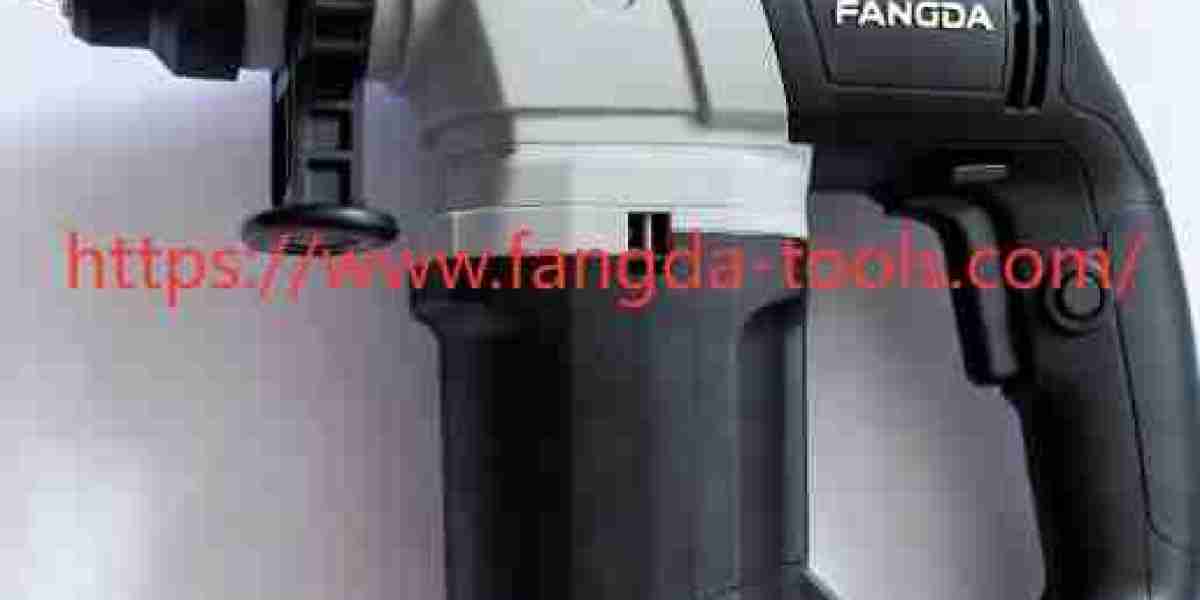

When drilling into concrete, brick, block, or other masonry materials, the right equipment can make a meaningful difference to the working process. The SDS Plus Hammer Drill from fangda-tools is intended for applications where impact drilling, suitable bit compatibility, and controlled handling come together. From installation work and renovation tasks to maintenance and construction projects, selecting an appropriate drilling solution helps users organize their work around the material and the intended result.
Masonry drilling presents different challenges from ordinary drilling applications. Hard surfaces can require a combination of rotation and impact action to create openings effectively. An appropriate hammer drilling system can provide a practical approach for tasks involving anchors, fixtures, conduits, brackets, and other installation components.
Before starting a project, users should consider the material, drilling position, opening requirements, and equipment compatibility. These factors help determine the appropriate accessory and operating method. A clear understanding of the working surface can also reduce unnecessary adjustments and make the overall process easier to manage.
Installation is one common area where impact drilling plays an important role. Construction and renovation projects often require openings to accommodate mounting hardware or other components. When drilling locations have been properly marked and the surrounding area has been prepared, operators can work with greater awareness of positioning and material conditions.
Correct tool handling remains an essential part of the process. Accessories should be securely installed, equipment should be compatible with the selected system, and the operator should maintain a stable working position. Appropriate pressure and controlled movement can help keep the drilling action aligned with the intended location. Following equipment instructions is also important when preparing for operation.
Different masonry materials may respond differently during drilling. Concrete, brick, and block can each have distinct structural characteristics, while older surfaces may contain variations that are not immediately visible. For this reason, users should assess the working area before drilling and select an approach that corresponds with the actual conditions.
Tool inspection should also form part of regular preparation. Before beginning a new task, checking the accessory and equipment for visible wear or damage can help users determine whether they remain suitable for the intended application. Keeping cutting accessories properly maintained can contribute to a more orderly workflow and reduce avoidable interruptions.
A thoughtful drilling routine is not only about creating an opening. It is about preparing the surface, selecting compatible equipment, positioning the tool correctly, and maintaining control throughout the operation. These steps can help users approach different masonry tasks with greater consistency while adapting their method to each individual project.
For professional contractors, installers, maintenance teams, and workshop users, a suitable drilling system can become an important part of everyday tool preparation. The right combination of equipment and accessories allows users to approach hard-material drilling with a clearer understanding of what the task requires.
The next drilling project may begin with a marked point on a wall, floor, or structural surface, but the preparation behind that point shapes the entire process. Visit https://www.fangda-tools.com/product/ and browse the available solutions—your next project might reveal exactly what your toolkit has been waiting for.