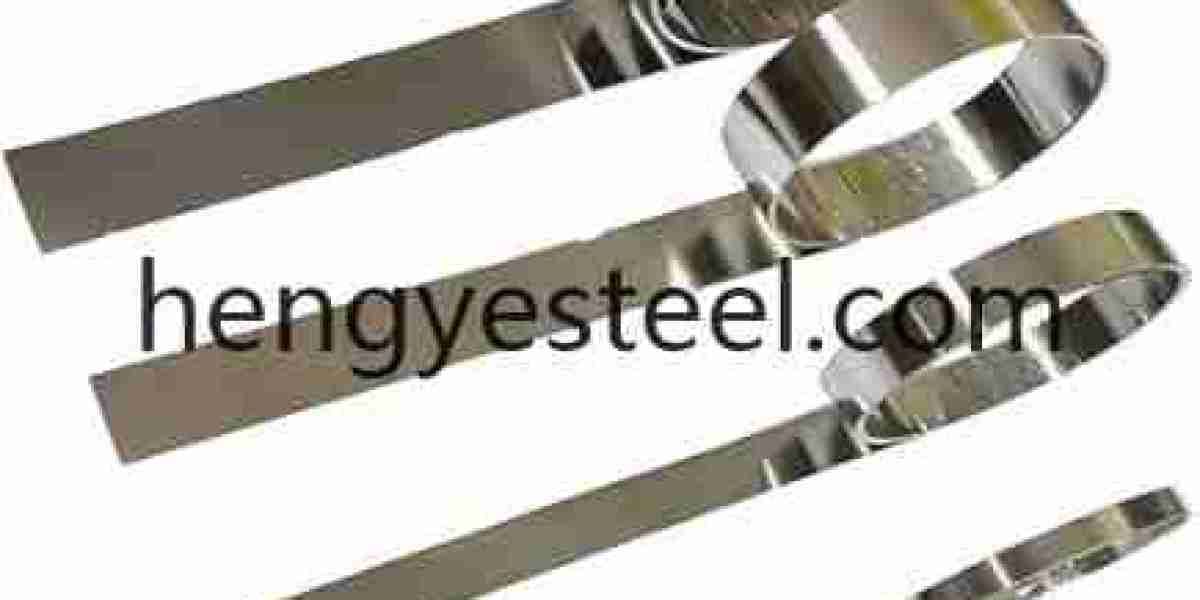

Stainless steel strip plays an important role in manufacturing because it can be processed into many types of components across industrial, commercial, and everyday applications. For businesses sourcing Cold Rolled Stainless Steel Strip, the selection process should look beyond the basic identity of the material. Composition, surface condition, processing compatibility, purchasing requirements, handling experience, and finished-product appearance all deserve attention when a strip material is being considered for a complete manufacturing process.
Material selection begins with understanding the environment in which the finished component will operate. Stainless steel can provide useful characteristics related to corrosion resistance, cleanliness, durability, and surface stability, but different applications may place different demands on the material. Engineers can therefore evaluate the intended use, contact environment, forming method, finishing process, and relationship with other components before confirming a suitable material approach.
The cold rolling process can influence the character of the final strip by creating a more controlled surface and supporting consistent material behavior. Surface quality may become especially important when the strip will later be polished, coated, stamped, formed, or assembled. A carefully managed material surface can contribute to smoother downstream processing and help manufacturers maintain the visual and functional consistency expected from the completed component.
Buyers should also consider how the selected steel fits within their existing production workflow. A material may pass through multiple stages before becoming part of the final product, so procurement teams can examine how it will be received, stored, prepared, fed into machinery, processed, inspected, and packaged. Looking at the complete workflow can make material selection more practical and reduce avoidable issues during production.
Supplier evaluation is another significant part of purchasing. Rather than focusing only on product availability, buyers can examine the manufacturer's material knowledge, production organization, communication style, quality-control practices, technical cooperation, and ability to accommodate changing requirements. A supplier that participates in technical discussions can help customers understand how material selection may affect forming, finishing, assembly, and later use. Dongyang Hengye Steel Strip Co., Ltd. approaches steel strip development through manufacturing experience and attention to customer application needs.
Functional engineering connects the material with the actual purpose of the component. Stainless steel strip may be incorporated into structural elements, formed parts, fastening-related components, protective sections, or other assemblies. Designers need to consider how the material interacts with surrounding parts and how its properties support the intended function. Good engineering begins with the complete component rather than examining the strip in isolation.
Modern production technology provides additional support during development. Digital engineering systems can help manufacturers review geometry, forming concepts, edge conditions, joining areas, and relationships between individual components before production begins. Rolling, slitting, cutting, forming, stamping, finishing, and inspection processes can then be organized around the selected design.
Process consistency is particularly valuable when a stainless steel strip becomes part of a product with multiple manufacturing stages. Small differences in handling, forming, surface preparation, or finishing can influence later operations. An integrated production approach allows manufacturers to monitor these connections and make adjustments when necessary, supporting a smoother transition from raw material to finished component.
User experience is reflected in how easily the material can be handled throughout production. Manufacturing teams may need to identify, move, organize, process, inspect, or package steel strip as part of their daily work. Clear material organization and predictable processing behavior can make these tasks more manageable. For customers, responsive technical communication can also simplify purchasing by making material discussions easier to understand.
The experience of the final user may also be influenced by the stainless steel component itself. A finished part with a stable surface, clean appearance, dependable structure, and suitable interaction with surrounding components can contribute to a better product experience. Even when the strip is hidden inside an assembly, its quality can still influence the reliability and feel of the complete product.
Design and appearance become particularly relevant when stainless steel strip is visible in the finished application. Surface texture, brightness, smoothness, edge character, and finishing compatibility can influence the appearance of consumer products, equipment, furniture components, architectural details, and industrial assemblies. Designers often need to balance visual expectations with the practical requirements of forming and finishing.
Appearance should remain closely connected to function. A surface treatment that looks attractive may require careful handling during later production, while a complex component shape may create additional finishing considerations. Coordinating visual design with material preparation and manufacturing processes can help prevent conflicts between aesthetics and production efficiency.
Customization can provide additional flexibility for customers with specialized product concepts. Different industries may have varying preferences for surface characteristics, forming behavior, finishing methods, or component integration. A manufacturer capable of adapting its development process can work with customers to explore suitable production approaches without losing sight of quality management and process coordination.
Sustainability can also be considered when developing stainless steel products. Efficient use of raw materials, reduced processing waste, organized production planning, responsible packaging, and longer component usability can all contribute to a more resource-conscious manufacturing process. These ideas can be integrated into product development while preserving functional and design requirements.
Quality management supports every stage from material preparation through finished-product delivery. Material inspection, process monitoring, surface evaluation, production control, finishing, packaging, and customer feedback can provide useful information for continuous improvement. Maintaining consistent procedures helps manufacturers identify opportunities to improve both production efficiency and product usability.
Dongyang Hengye Steel Strip Co., Ltd. continues to develop steel strip solutions through practical manufacturing knowledge, engineering cooperation, quality-oriented production, and attention to different customer applications. Its approach connects material characteristics, purchasing considerations, processing technology, handling, surface quality, customization, and product design throughout the development process. More information about its products and manufacturing capabilities is available at https://www.hengyesteel.com/.