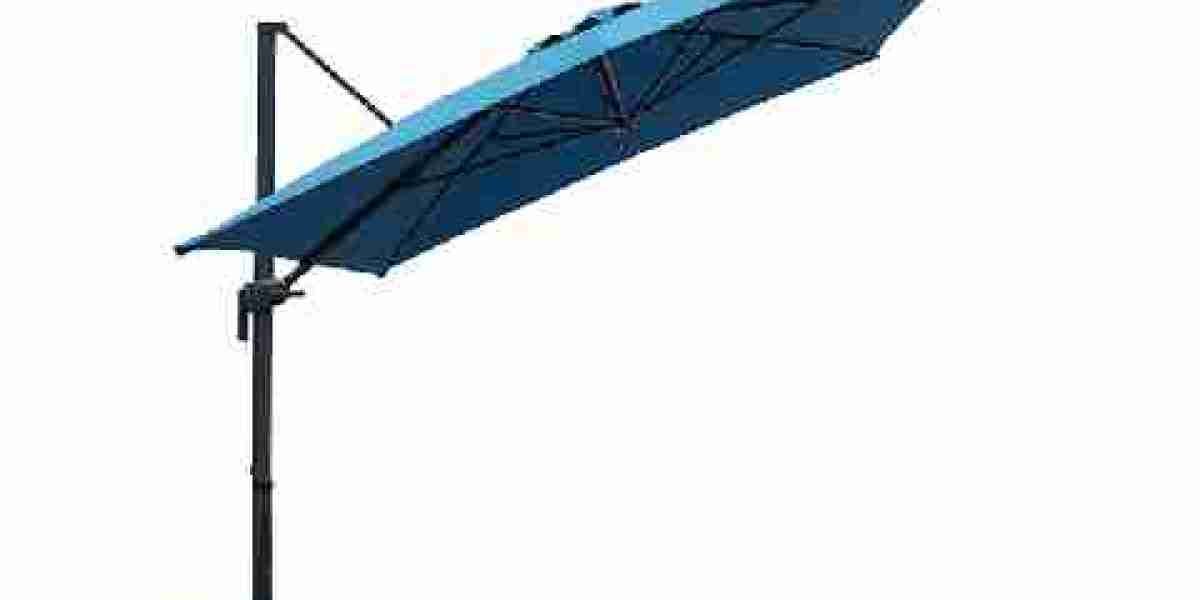

Modern outdoor environments are increasingly designed as extensions of indoor living and commercial spaces. In this context, an Outdoor Shade Tent can provide a practical way to organize open areas while supporting comfort, visual consistency, and flexible use. From residential gardens to hospitality venues, suitable shelter solutions can help transform exposed areas into welcoming spaces for relaxation, dining, and social interaction.
Material selection is an important part of outdoor shelter design. Fabrics used for exterior applications need to balance appearance, durability, and resistance to changing environmental conditions. Depending on the intended application, manufacturers may work with coated fabrics, woven materials, synthetic textiles, or other purpose-developed coverings. The choice should consider factors such as sunlight exposure, moisture, cleaning requirements, and the expected frequency of use.
The structural system is equally important. A well-designed shelter depends on coordinated components that provide stable support while maintaining an attractive appearance. Frames, connection points, fastening elements, and fabric interfaces should work together rather than being considered separately. This integrated approach can make installation more efficient and support consistent performance during regular outdoor use.
Manufacturing technology also influences the quality and reliability of outdoor shade products. Modern cutting and sewing processes allow manufacturers to create fabric components with accurate dimensions and carefully finished edges. Automated or semi-automated equipment can improve repeatability during production, while quality control procedures help identify issues before products reach customers.
For B2B buyers, production consistency is particularly valuable. Outdoor furniture suppliers, hospitality businesses, landscape contractors, distributors, and project developers may need products that can be incorporated into different types of installations. Clear manufacturing processes and organized quality management can help suppliers maintain consistency across different production batches and customer requirements.
Safety should remain part of the design process from the beginning. Outdoor structures are exposed to environmental factors that can change throughout the day and across seasons. Proper structural planning, secure connections, appropriate installation methods, and regular inspection can contribute to safer use. The surrounding environment should also be considered, including pedestrian movement, furniture placement, drainage, and access routes.
Another consideration is usability. A shelter should not simply provide shade; it should support the activities taking place beneath it. A dining area may require clear circulation space, while a garden seating area may prioritize visual openness and comfortable positioning. Commercial applications may also need layouts that accommodate customer movement, staff operations, and maintenance access.
Customization can help address these different requirements. Buyers may consider variations in fabric appearance, structural configuration, opening arrangements, branding opportunities, and installation methods. A flexible design approach allows manufacturers to serve multiple market segments without relying on a single standardized outdoor concept.
Sustainability is becoming another factor in material and manufacturing decisions. Longer product service life can reduce the frequency of replacement, while responsible material selection and efficient production can support more thoughtful resource use. Maintenance should also be considered because products that are easier to clean, inspect, repair, or replace in individual components may remain useful for longer periods.
For international B2B markets, communication between manufacturers and buyers is especially important. Product applications, installation environments, packaging requirements, customization expectations, and quality standards should be clearly discussed before production begins. This reduces misunderstandings and helps align the finished product with the needs of the target market.
The broader value of an Outdoor Shade Tent comes from its ability to connect practical shelter with outdoor design. When materials, structural engineering, manufacturing processes, safety considerations, and user requirements are addressed together, outdoor areas can become more functional and inviting. Businesses seeking additional information about outdoor shade solutions can explore LINHAI HONGTAI through https://www.parasol-ht.com/product/outdoor-push-umbrella/ as part of their product research.