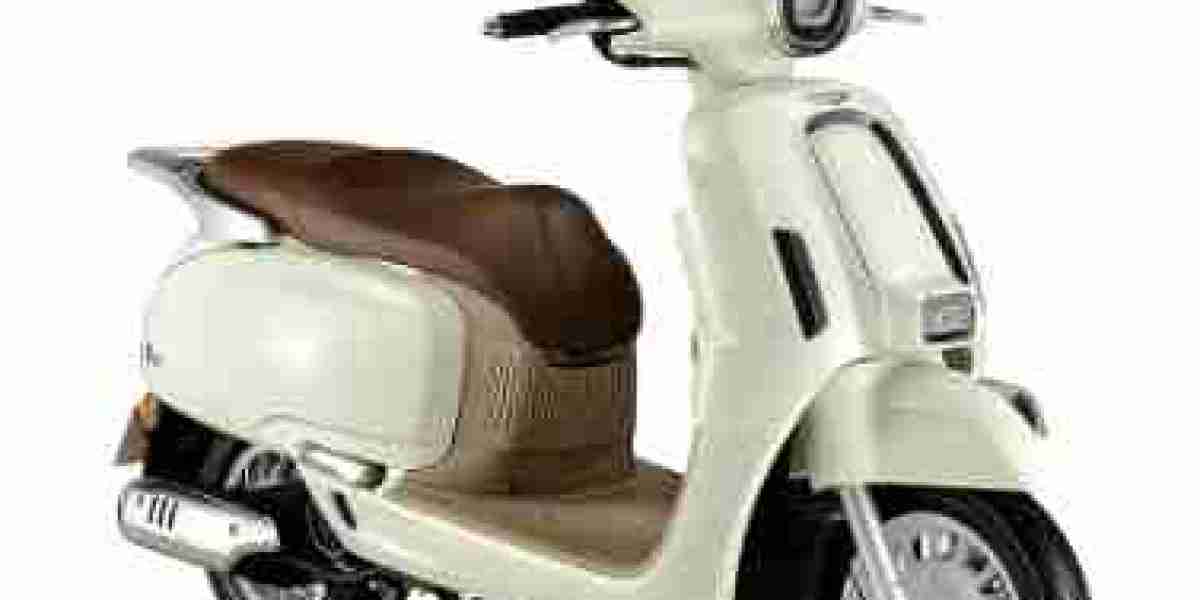

In a competitive two-wheel vehicle market, product identity can strongly influence how a brand is perceived. A Custom Motorcycle Factory can therefore play an important role beyond simple production, helping businesses transform design concepts into practical vehicles through coordinated engineering, material selection, manufacturing, and quality management. For international brands and distributors, the right manufacturing partner can support both product differentiation and long-term development.
Customization begins with understanding the purpose of the motorcycle. Different markets may prioritize commuting convenience, recreational riding, delivery applications, appearance, rider comfort, or specific operating environments. A professional manufacturer needs to consider these requirements before production begins. Instead of treating customization as a purely visual exercise, effective development connects styling decisions with structural design, component selection, production feasibility, and expected riding conditions.
Material selection is one of the foundations of motorcycle development. Different materials can influence structural performance, weight distribution, durability, surface appearance, and manufacturing efficiency. Engineers need to evaluate how selected materials interact with the overall vehicle concept rather than considering each component independently. Consistent material management also helps manufacturers maintain stable production quality when customized products are produced for different customers.
Engineering coordination is equally important. A motorcycle may contain numerous interconnected systems, including the frame, body components, wheels, braking system, suspension, electrical equipment, controls, and other assemblies. Changes to one area can influence another. Professional development therefore requires communication between design, engineering, procurement, production, and quality teams. This integrated approach reduces unnecessary adjustments during manufacturing and helps turn creative concepts into workable products.
Manufacturing flexibility also matters for customized vehicles. International customers may require different appearances, component combinations, packaging approaches, or market-specific configurations. A capable Custom Motorcycle Factory should be able to manage these differences through organized production processes rather than relying entirely on manual intervention. Clear work instructions, supplier coordination, assembly controls, and inspection procedures help maintain consistency across customized orders.
Quality management should remain central throughout the production process. Inspection is not only a final-stage activity. Materials, components, assemblies, and finished vehicles can all require different forms of evaluation. Early-stage quality control helps identify issues before they become more difficult or expensive to correct. For customized motorcycles, traceability and communication between production stages are especially valuable because individual projects may contain unique requirements.
Rider experience is another important consideration. A motorcycle can have an attractive appearance, but its overall value also depends on usability. Seating position, control layout, handling characteristics, visual balance, storage considerations, and ease of operation can all influence how customers perceive the final product. Customization should therefore support practical riding needs instead of focusing exclusively on external styling.
Brand identity can be incorporated through thoughtful design decisions. Body shapes, finishes, graphics, component combinations, and other visual elements may help a motorcycle communicate a particular market position. However, visual differentiation should remain compatible with manufacturing realities. Close cooperation between brand designers and manufacturing engineers can help preserve the intended identity while keeping production organized.
International market requirements can introduce another layer of complexity. Customers in different regions may have different expectations regarding vehicle appearance, usage patterns, documentation, component preferences, and regulatory considerations. Manufacturers serving global customers need to maintain clear project communication and avoid assuming that one configuration will suit every market. Understanding the customer's target application helps guide better development decisions.
Technology continues to influence motorcycle customization as well. Digital design tools, engineering analysis, production planning, and quality data can help teams coordinate complex projects more efficiently. These technologies do not replace manufacturing experience; instead, they provide better ways to organize information, identify potential issues, and communicate changes across departments.
Long-term cooperation can be particularly valuable for businesses developing multiple motorcycle products. A manufacturer that understands a customer's design philosophy and market goals can become more efficient at supporting later projects. Feedback from earlier production can also be used to refine materials, component selection, assembly methods, and quality processes.
For international buyers, choosing a manufacturing partner should therefore involve more than comparing production prices. Engineering capability, communication, quality management, customization flexibility, material control, and after-sales cooperation can all influence the success of a project. A structured manufacturing relationship gives brands greater confidence when developing products for changing mobility markets.
Businesses seeking a professional partner for customized two-wheel vehicle development can explore ZHIWEKI's motorcycle and scooter solutions at https://www.zw-motor.com/product/scooter-motorcycle/ to better understand its approach to international mobility product manufacturing.