
Start With What You Can See
Tire problems are not always dramatic when they begin. A vehicle may continue operating normally while a small puncture, gradual pressure loss, or developing tread issue quietly affects performance. Regular observation can help drivers recognize these concerns before they turn into an unexpected roadside problem.
A basic inspection takes only a few minutes. Look across the tread for foreign objects, cuts, cracks, or areas that appear unusually worn. The sidewalls should also be checked for bulges or other visible damage. Any questionable condition deserves professional evaluation rather than guesswork.
Pay Attention to Pressure Changes
Inflation pressure can provide an early clue that something is wrong. When one tire repeatedly needs more air than the others, there may be a puncture, valve issue, or another source of leakage.
Driving with insufficient pressure can affect handling and contribute to additional tire stress. It can also make the vehicle feel different during turns or braking. Checking pressure regularly and following the manufacturer's recommended specifications is therefore an important part of routine vehicle care.
A warning light from the tire pressure monitoring system should not simply be reset and forgotten. The underlying reason for the pressure change should be identified.
Understand What Makes a Tire Repairable
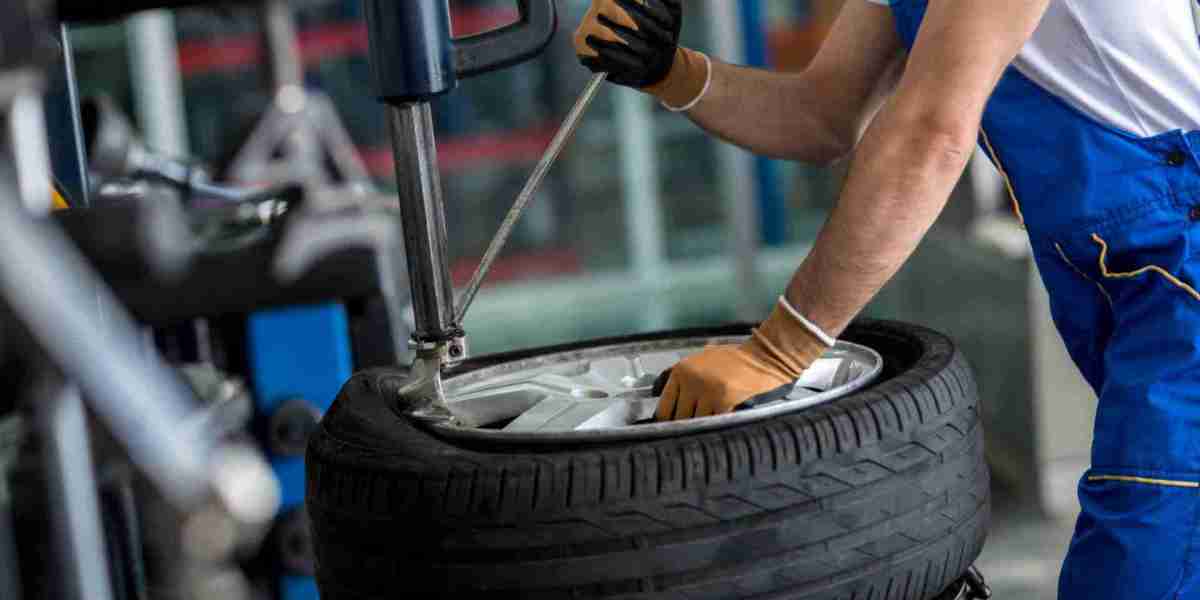
Not every punctured tire needs to be discarded. However, repairability depends on several factors, including the location and size of the injury and the tire's internal condition. Industry guidance generally limits repairs to suitable punctures in the tread area and recommends that the tire be removed from the wheel for a complete inspection.
Tire Repair Services in Fredericksburg VA can help determine whether a damaged tire is appropriate for professional repair. A technician can inspect both the exterior and interior before deciding whether repair or replacement is the safer option.
For suitable punctures, USTMA guidance calls for a repair that fills the injury and seals the inner liner rather than relying on a plug alone.
Know When Replacement May Be Necessary
Some damage cannot be safely repaired. Sidewall injuries, certain shoulder-area problems, excessive puncture size, severe tread wear, or internal damage may make replacement necessary. Manufacturer recommendations can also impose additional restrictions depending on the tire type.
This distinction matters because a tire that looks repairable from the outside may have hidden internal damage. A professional inspection provides a more reliable basis for deciding what should happen next.
Trying to save a damaged tire at any cost is not a good maintenance strategy. The priority should always be preserving safe and dependable performance.
Look for Patterns Instead of Isolated Problems
A single worn tire can sometimes be a straightforward replacement issue. Repeated or uneven wear across multiple tires may tell a different story. If the tread consistently wears more heavily on one side, another vehicle condition could be contributing.
Wheel positioning, suspension wear, tire pressure, and other mechanical factors can influence tread patterns. Replacing tires without investigating recurring wear may therefore fail to address the underlying cause.
Drivers should pay attention to whether the same problem returns after a repair or replacement. Repetition is often a useful reason to request a broader vehicle inspection.
Consider the Entire Vehicle
Tires operate alongside steering, suspension, braking, and wheel components. A problem in one area can sometimes affect another, which makes comprehensive automotive care valuable when tire concerns keep appearing.
An experienced Auto Repair Company in Fredericksburg VA can evaluate related systems when symptoms extend beyond a simple puncture. Professional diagnosis can help determine whether unusual vibration, handling changes, or repeated tread wear has a mechanical cause.
Clear communication is equally important. Vehicle owners should receive an understandable explanation of what was discovered and why a particular service is being recommended.
Build Simple Preventive Habits
Good tire care does not require complicated routines. Check inflation periodically, examine the tread, inspect the sidewalls, and pay attention to changes in steering or ride quality. These habits can help reveal developing problems earlier.
Before a long journey, give the tires additional attention. Confirm their pressure, look for visible damage, and make sure any emergency equipment supplied with the vehicle is ready for use.
Following the manufacturer's maintenance recommendations can also help keep tire-related service from being overlooked.
Respond to Changes Without Delay
A tire that suddenly loses pressure, develops visible damage, or begins producing unusual vibration should receive prompt attention. Continuing to drive simply because the vehicle still moves normally can allow a manageable issue to become more complicated.
Timely inspection also makes it easier to distinguish between repairable damage and a condition requiring replacement. Acting early can reduce disruption to daily travel and provide greater confidence before getting back on the road.
Make Tire Care Part of Routine Ownership
Reliable transportation depends on more than reacting to flat tires. Regular observation, appropriate inflation, professional inspection, and sensible maintenance decisions all contribute to better tire performance.
By learning to recognize early warning signs and seeking qualified assistance when something seems unusual, drivers can make more informed choices about their vehicles. Consistent attention to tire condition can help support dependable travel and reduce avoidable interruptions throughout the vehicle's service life.