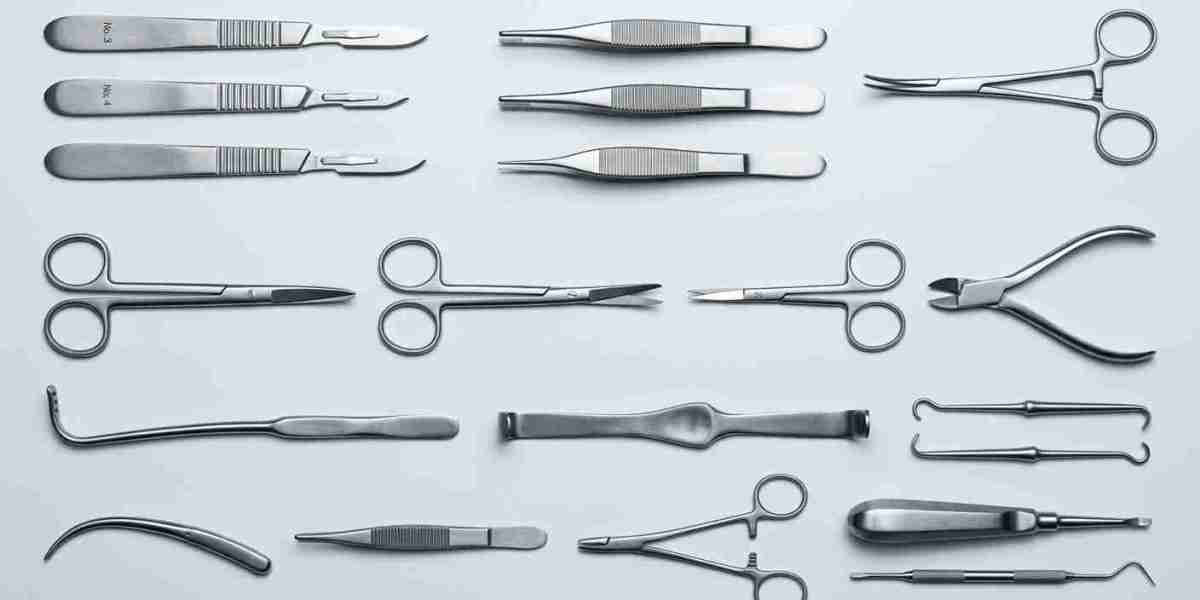

Biomedical Devices have become an important part of modern healthcare. They are used in hospitals, clinics, laboratories, emergency centers, and home care to support diagnosis, monitoring, treatment, and recovery. From simple devices such as thermometers to advanced systems used for imaging and critical care, each device is designed to perform a specific medical task. The features of these devices help healthcare professionals provide better care while improving accuracy, safety, and efficiency.
What Are Biomedical Devices?
Biomedical devices are medical tools, machines, and systems that help maintain, check, or improve human health. They can collect health information, support medical procedures, deliver treatment, or help patients manage certain health conditions.
The design of a device depends on its purpose. A blood pressure monitor needs to measure pressure accurately, while an imaging system needs to create clear images of internal body structures. A ventilator, on the other hand, must provide controlled breathing support. These different uses require different features, but all medical devices should focus on safety, reliability, and ease of use.
Accurate Performance
Accuracy is one of the most important features of medical technology. Healthcare professionals often use information from devices to make decisions about diagnosis and treatment. If a device gives incorrect results, it can affect patient care.
Modern medical devices are designed to provide precise readings when they are used correctly. Diagnostic systems can produce detailed images, monitoring devices can measure vital signs, and laboratory equipment can analyze samples. Regular testing and maintenance are also important to keep devices working accurately.
Easy-to-Use Design
Healthcare professionals often work in busy environments, so medical devices should be simple to operate. A clear design allows staff to understand controls, settings, and readings without unnecessary difficulty.
Displays should provide important information in an easy-to-read form. Controls should be placed in a logical way, and devices should include clear instructions. Ease of use can save time and reduce the chance of mistakes during medical procedures.
A user-friendly design is especially important for devices used in emergency care, where healthcare workers may need to operate equipment quickly.
Patient Safety Features
Safety is a basic requirement for any medical device. Equipment used around patients must be designed to reduce avoidable risks during normal operation.
Many modern systems include alarms and warning features. Patient monitors, for example, can alert healthcare workers when certain readings move outside a selected range. Other devices may include safety controls that prevent incorrect settings or unexpected operation.
Safety also depends on proper training and maintenance. Even a device with strong safety features needs to be used by trained professionals and checked regularly.
Reliable Construction
Medical devices are often used many times each day. They need to be made from suitable materials and designed to handle regular use. Reliable construction helps reduce equipment failures and supports consistent performance.
Hospital devices may need to operate for long periods, sometimes continuously. Strong construction can help them remain useful in demanding healthcare environments. Manufacturers also need to consider cleaning, sterilization, and maintenance when designing equipment for medical use.
Advanced Monitoring
Monitoring is a major feature of many modern medical systems. Devices can collect information about a patient's condition and display it for healthcare workers.
A patient monitor may track heart rate, blood pressure, oxygen saturation, respiratory rate, and temperature. Some systems can monitor several measurements at the same time. This gives medical teams a broader view of the patient's condition.
Continuous monitoring is particularly useful in intensive care, emergency treatment, surgery, and recovery areas. It can help healthcare workers notice changes and respond when necessary.
Data Collection and Storage
Many modern devices can collect and store medical information. Digital systems can record measurements and make them easier to review over time.
Data storage can help healthcare professionals compare current results with earlier measurements. This may be useful when monitoring long-term conditions or checking how a patient responds to treatment.
Connected devices can also make it easier to transfer suitable information between medical systems. However, healthcare organizations must protect patient information and follow relevant privacy and security requirements.
Support for Surgical Procedures
Modern surgery uses a combination of medical technology and specialized tools. Devices can support patient monitoring, anesthesia, imaging, and other parts of the surgical process.
High-quality Surgical Instruments are designed for specific surgical tasks. Instruments may be used for cutting, holding, grasping, clamping, dissecting, or suturing. Their shape, size, material, and handling are important features because surgeons need control during a procedure.
The right instruments and medical technology can help surgical teams work in an organized way. Proper cleaning, sterilization, inspection, and storage are also important features of a safe surgical process.
Specialized Surgical Equipment
Advanced surgical equipment is designed to support different types of medical procedures. Operating rooms may use anesthesia machines, patient monitoring systems, imaging devices, and other specialized technology.
Different surgical fields may require different equipment. Neurosurgery, orthopedic surgery, cardiovascular surgery, and other specialties often have unique needs. Equipment designed for a specific purpose can provide functions that support the work of the surgical team.
Precision, reliability, and ease of operation are important when selecting equipment for surgical use.
Portability
Portability is another useful feature of some biomedical devices. Large systems are suitable for hospitals, but smaller portable devices can be useful in ambulances, clinics, remote areas, and homes.
Portable monitors, blood pressure devices, pulse oximeters, and other systems can be moved from one location to another. Their smaller size makes them useful when patients need care outside a traditional hospital setting.
Portable devices can also support home healthcare by allowing patients to monitor certain health measurements under professional guidance.
Automation
Automation is becoming more common in modern healthcare technology. Automated functions can help reduce repetitive manual work and make some medical processes more consistent.
For example, automated systems can collect measurements, record data, provide alerts, or control certain treatment settings. Automation can save time for healthcare workers and allow them to focus more attention on patients.
However, automated functions should not remove the need for professional oversight. Healthcare workers still need to review information and make decisions based on the patient's overall condition.
Energy Efficiency
Energy efficiency can be an important feature, especially for healthcare facilities that use many devices every day. Equipment that uses energy efficiently can help reduce operating costs and support more responsible use of resources.
Portable devices may also benefit from efficient battery use. A longer battery life can be useful when equipment is used during transport, emergencies, or in locations where access to electrical power is limited.
Easy Maintenance
Medical devices need regular care to remain safe and reliable. Easy maintenance is therefore an important design feature.
Devices that are simple to clean, inspect, service, and repair can help healthcare facilities reduce downtime. Manufacturers should provide suitable maintenance instructions and technical support where required.
Regular maintenance can also help identify problems before they affect performance. Healthcare organizations should follow recommended service schedules and keep proper records of equipment checks.
Durability and Long-Term Use
Durability is important because medical equipment can be expensive and may be used for many years. A durable device can provide better long-term value when it is properly maintained.
Hospitals need equipment that can handle regular use without frequent failures. The materials, design, and manufacturing quality all contribute to durability. Healthcare facilities should consider expected working life when choosing new technology.
Future-Ready Technology
Modern medical devices are increasingly designed with digital features and connectivity. Some can connect with hospital systems, mobile devices, or remote monitoring platforms.
Artificial intelligence and smart technology may also become more common. These features can support data analysis, monitoring, and other healthcare tasks. Future devices are likely to focus on better connectivity, faster results, and more personalized care.
At the same time, new technology must meet safety and quality requirements. Advanced features are useful only when they work reliably and are suitable for the medical task.
Conclusion
The features of biomedical devices determine how effectively they can support healthcare professionals and patients. Accuracy, safety, reliability, ease of use, monitoring, data handling, portability, automation, and durability are all important qualities.
Surgical tools and specialized equipment also require careful design because they are used during procedures where precision matters. As healthcare technology continues to develop, medical devices will become more connected and advanced. However, basic qualities such as safety, accuracy, reliability, and proper maintenance will remain essential for effective patient care.