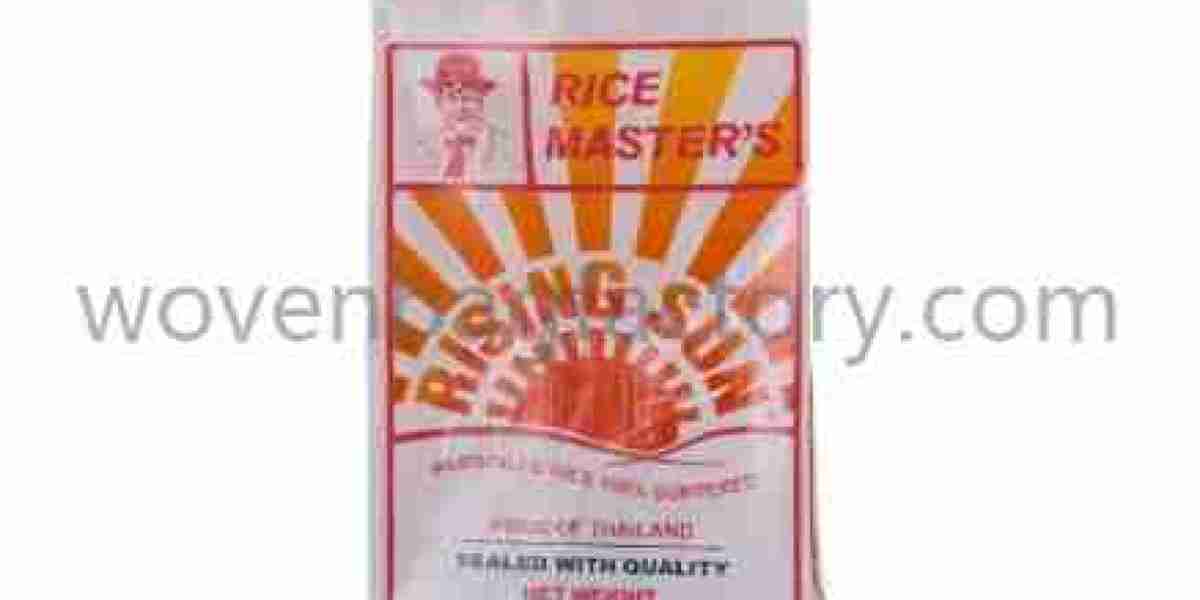

The foundation of reliable packaging often begins with the right material. A PP Woven Fabric Roll provides a flexible starting point for developing packaging solutions used across agriculture, logistics, construction, manufacturing, and other industries. Its value lies in the adaptability of woven polypropylene, which can be transformed into different products while supporting practical handling, transportation, and storage requirements.
Polypropylene is commonly selected for woven applications because it can be processed into stable fabric structures while retaining useful flexibility. During weaving, polypropylene tapes are interlaced to create a connected material. This structure can then become part of packaging systems designed around different products and commercial applications.
Agriculture provides one of the clearest examples of this versatility. Farmers and agricultural distributors handle grains, seeds, fertilizers, feed, and other products that move through multiple stages before reaching customers. Packaging developed from reliable woven materials can support product organization during harvesting, storage, transportation, and distribution.
Industrial manufacturing also depends on materials that can adapt to different workflows. Factories may manage raw resources, processed goods, recycled materials, and finished products. Packaging requirements can therefore vary significantly between businesses. Flexible woven materials allow manufacturers to create solutions that fit different applications without losing sight of practical handling needs.
Construction is another important application field. Building materials frequently travel from factories to distributors and eventually to construction sites. During this process, packaging can help businesses organize products and make movement easier. Well-developed woven packaging supports logistics teams while helping workers manage materials more efficiently.
Material selection can also influence how businesses perceive their supply chain partners. When packaging materials remain consistent and dependable, purchasing teams can plan with greater confidence. Production and warehouse teams can also avoid unnecessary interruptions caused by unsuitable materials. This creates value that extends beyond the physical characteristics of the fabric.
Sustainability is becoming an increasingly important part of material decisions. Businesses want to use resources responsibly while maintaining practical performance. Woven polypropylene materials can support longer-lasting packaging applications, helping companies reduce unnecessary replacement and improve resource utilization. Sustainable packaging strategies are therefore increasingly connected with durability and efficient use.
Customization creates additional opportunities. Businesses may require packaging that communicates brand identity, product information, or other visual messages. Woven materials can support printing and finishing processes that allow companies to create packaging aligned with their market positioning. This combination of material function and visual communication can be especially useful in competitive industries.
HONGYANG approaches woven material development with attention to both manufacturing and application. Understanding how materials are transformed into finished packaging allows the company to better connect production capabilities with customer requirements. Its experience across agriculture, construction, logistics, and industrial markets supports a practical approach to packaging development.
Modern manufacturing technology continues to improve the production of woven materials. Better weaving processes, production management, printing, lamination, and quality inspection can help manufacturers deliver more consistent results. Continuous improvement also allows companies to respond more effectively to changing customer expectations.
Global supply chains are becoming increasingly interconnected, making material reliability more important. Businesses need packaging solutions that can support different transportation environments and market requirements. A flexible material foundation can help companies adjust their packaging strategies as their products and markets evolve.
Businesses exploring woven material solutions can learn more about HONGYANG and its packaging capabilities through https://www.wovenbagfactory.com/product/kraft-paper-bag/. With professional manufacturing, practical application knowledge, and a customer-focused approach, a PP Woven Fabric Roll can provide a useful foundation for packaging systems designed to support changing global markets.