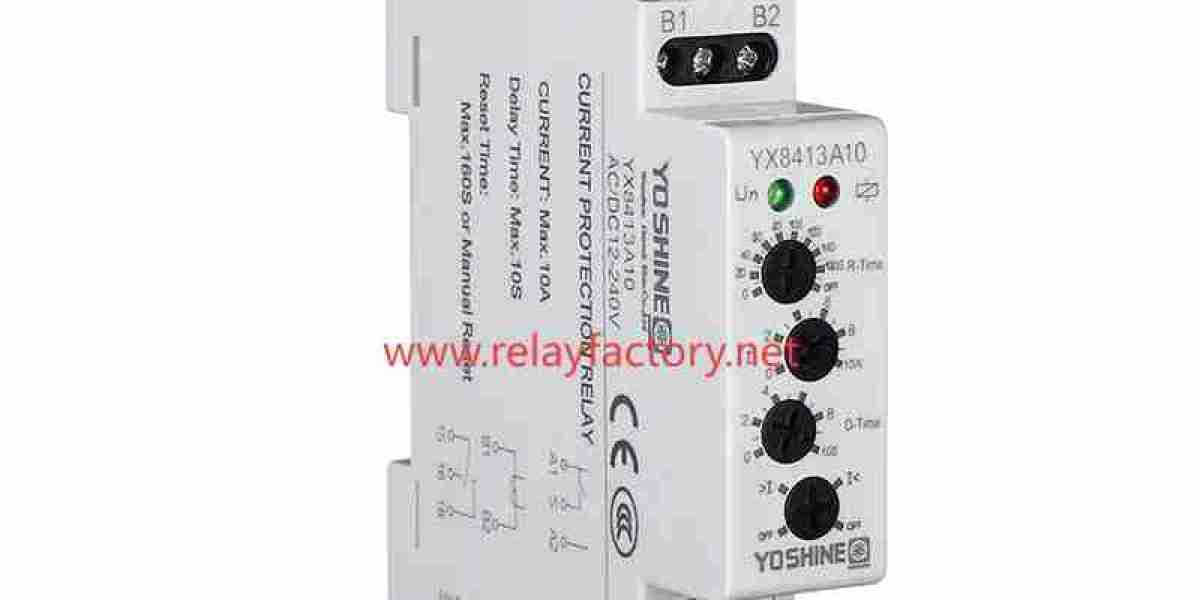

Phase Sequence Monitor Supplier selection can influence how smoothly an industrial electrical project moves from planning to installation. A monitoring component may form only a small part of a control system, but its role needs to match the equipment application, power arrangement, control logic, and installation environment. Buyers can benefit from working with a manufacturing partner that communicates clearly, reviews project requirements, and coordinates product information with the broader system design.
Start With The Equipment Application
Every industrial project has different operating conditions.
A production line may contain conveyors, pumps, fans, compressors, machine tools, or other rotating equipment. The electrical requirements of each application can vary depending on how the machine operates and what response is expected when an abnormal power condition occurs.
Before contacting a manufacturer, buyers can prepare basic information about the equipment, power supply, control cabinet, installation environment, and intended monitoring function.
This gives the technical discussion a clear starting point.
Define The Monitoring Objective
A monitoring component should have a defined purpose within the electrical system.
For some installations, the main concern is confirming that the incoming phases follow the intended order before equipment starts. Other projects may also require attention to phase loss or voltage conditions, depending on the selected product and system design.
Defining the objective early helps buyers avoid unnecessary confusion during product selection.
It also allows engineers to explain how the output should interact with the rest of the control circuit.
Coordinate With Control Cabinet Design
Industrial electrical systems usually contain multiple interconnected components.
A monitoring device may work alongside contactors, circuit protection, controllers, switches, terminal blocks, indicators, and other control elements. Its physical location and wiring arrangement should therefore be considered as part of the overall cabinet design.
Buyers can share relevant panel information before production. This may include mounting preferences, wiring arrangements, available space, and the intended position within the control circuit.
Early coordination can help reduce changes during panel assembly.
Review Electrical Requirements Carefully
Electrical compatibility should be confirmed before an order is finalized.
Project teams can provide information about supply voltage, frequency, phase arrangement, connection method, and other application conditions that affect component selection.
The purpose is not simply to match a number on a product sheet. The component needs to fit the electrical architecture of the equipment where it will be installed.
When the technical requirements are clearly communicated, the manufacturer has a better basis for discussing the appropriate configuration with the buyer.
Clarify The Output Response
Monitoring is only one part of a control strategy.
The project team should decide what the system needs to do when an incorrect phase condition is detected. Depending on the equipment design, the output may be connected to a contactor circuit, alarm circuit, controller, or another control function.
The intended response should be discussed before production.
This helps the engineering team understand how the component is expected to operate within the larger system rather than treating it as an isolated electrical part.
Improve Communication Between Departments
Industrial projects often involve several departments.
Engineering teams may focus on electrical design, purchasing teams may handle supplier communication, production teams may assemble control cabinets, and technicians may perform installation or commissioning.
If each department receives different information, misunderstandings can occur.
A clear technical document or confirmed specification gives everyone a shared reference. This can make internal communication easier and reduce repeated questions during production.
A manufacturer that responds clearly to technical inquiries can also make coordination more manageable for the purchasing team.
Support Custom Project Requirements
Not every project follows a standard equipment arrangement.
Some buyers may need specific documentation, labeling, connection information, packaging arrangements, or inspection procedures. These requirements can be discussed before production so both sides understand the project expectations.
Customization should begin with a clear explanation of the actual requirement.
Instead of changing details after manufacturing begins, buyers can communicate project conditions during the initial quotation and technical review stage.
This approach can help create a more predictable workflow.
Organize Inspection Before Delivery
Inspection planning is another area where manufacturers and buyers can coordinate.
Depending on the project, the purchasing team may need to check appearance, markings, terminal arrangements, electrical operation, or other agreed characteristics after receiving the products.
These points can be discussed before manufacturing starts.
When acceptance requirements are clear, buyers can prepare their internal inspection process in advance. This can also give the production team a clearer reference when preparing finished units for delivery.
Consider Documentation For Installation
Documentation remains useful after the purchasing stage.
Installation technicians may need connection information, identification details, drawings, or operating instructions when integrating the component into a control cabinet.
Providing organized information can make installation more straightforward and reduce uncertainty when multiple components are installed together.
For larger industrial projects, documentation can also help create a consistent record that can be referenced during future maintenance or replacement work.
Connect Sourcing With Project Scheduling
Delivery coordination can influence the overall project schedule.
Electrical components may need to arrive before control cabinets are assembled or before equipment enters its commissioning stage. Buyers can therefore discuss expected production timing and delivery arrangements during the purchasing process.
A clear schedule allows purchasing teams to coordinate with engineering and production departments.
Relayfactory can communicate with buyers around application requirements, product arrangements, documentation, and project timing so the sourcing process is connected with the wider equipment plan.
Think About Future Equipment
Industrial companies often build similar machines for different projects.
When product information is organized properly, future purchasing can become easier. Buyers can retain configuration details, drawings, inspection requirements, and application notes as references for later projects.
This does not mean every future machine will require exactly the same arrangement. Instead, previous project information can provide a useful starting point for the next technical discussion.
Such records can save time when engineering and purchasing teams begin a new equipment project.
Evaluate The Manufacturer Beyond Price
Cost is naturally part of procurement, but buyers can also consider technical communication, production organization, documentation, inspection coordination, and responsiveness to project requirements.
A manufacturing partner should fit the buyer workflow as well as the product requirement.
This is especially relevant when the component will become part of a larger automated system. Small misunderstandings during sourcing can create additional work during installation.
A practical evaluation therefore looks at the complete purchasing process rather than focusing on one factor alone.
Build A More Organized Project Workflow
Better project support often comes from communication that starts before production.
When buyers provide accurate application information, manufacturers can respond with clearer product discussions. Engineers can then coordinate the component with the electrical design, while purchasing and production teams can work from the same confirmed requirements.
For companies reviewing electrical control solutions, the product range is available at https://www.relayfactory.net/product/stepping-relay/ and can be considered alongside the specific requirements of the intended project.