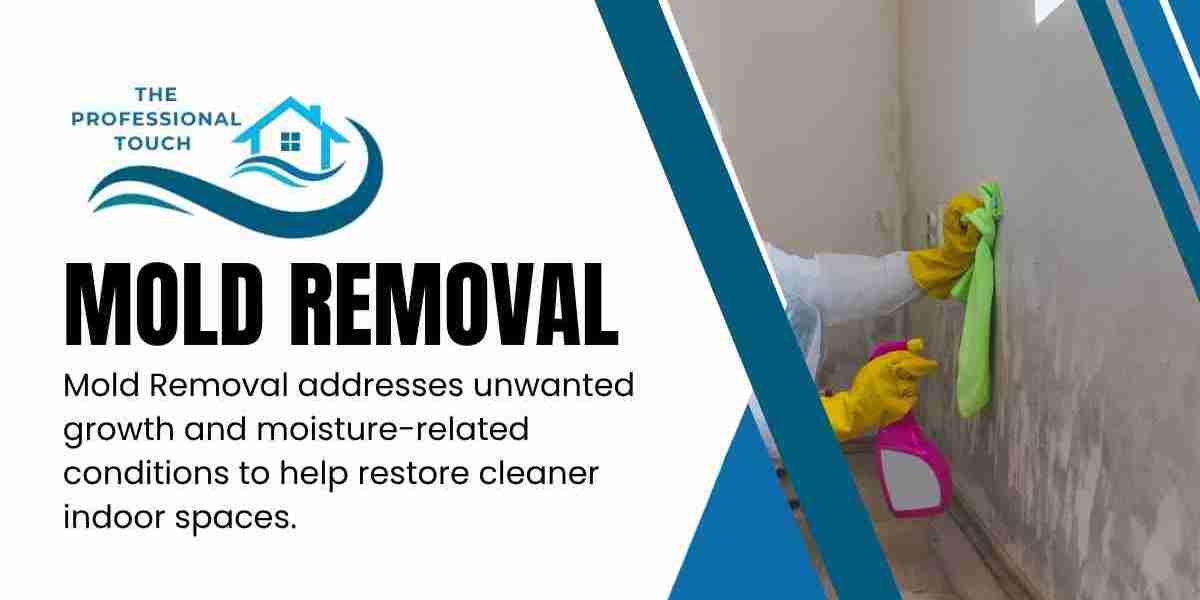

Mold and moisture problems can develop quietly inside homes and commercial properties. A small leak, flooding incident, condensation, or excess humidity can leave building materials damp and create conditions where mold may develop. In many cases, visible signs only represent part of the problem.
For property owners in Ames, identifying moisture issues early can help prevent further damage. Professional inspections can provide a clearer understanding of where moisture may be present and whether additional evaluation or remediation is necessary.
Whether a property has experienced water damage, recurring dampness, musty odors, or visible mold, taking the right steps can help protect the condition of the building and reduce the chance of recurring problems.
Why Is Mold a Concern for Ames Property Owners?
Mold can develop wherever moisture remains available for an extended period. Areas such as basements, bathrooms, kitchens, crawl spaces, attics, and locations around plumbing can be particularly vulnerable.
A property does not always need to have visible mold for a moisture problem to exist. Water can travel behind walls, beneath flooring, or into other concealed areas.
This makes early investigation valuable when a property has experienced leaks, flooding, or persistent dampness.
What Are Mold Remediation Services?
How Does Professional Remediation Work?
Mold Remediation in Ames involves addressing areas affected by mold while also considering the moisture conditions that allowed the growth to develop.
Depending on the situation, remediation may involve identifying affected areas, containing the work area, removing contaminated materials where appropriate, cleaning surfaces, and addressing the moisture source.
The appropriate process depends on the size and location of the affected area and the materials involved.
Why Is the Moisture Source Important?
Simply cleaning visible mold may not resolve the underlying problem if moisture continues to enter the property.
For example, mold may return if a leaking pipe, roof issue, foundation leak, or condensation problem remains unresolved.
A proper approach should therefore consider both the visible growth and the conditions supporting it.
What Can Cause Mold Growth?
Several situations can create favorable conditions for mold.
Common causes include:
Plumbing leaks
Roof leaks
Flooding
High indoor humidity
Condensation
Poor ventilation
Foundation water intrusion
Appliance leaks
Wet insulation
Damp basements
Finding the source of moisture is an important part of determining the appropriate response.
Where Can Mold Hide?
Mold may develop in locations that are not immediately visible.
Potential areas include:
Behind drywall
Under flooring
Inside cabinets
Around plumbing
In crawl spaces
In attics
Around windows
Beneath carpets
Inside wall cavities
Unusual odors or recurring moisture can sometimes indicate that further inspection is needed.
What Is Mold Removal?
When May Professional Mold Removal Be Needed?
Mold Removal Services in Ames can help address mold-affected areas when professional intervention is appropriate.
The process may vary depending on the extent of the growth, the affected materials, and the source of moisture.
Small surface contamination may be different from extensive growth involving drywall, insulation, flooring, or concealed areas.
A professional assessment can help determine the scope of the problem before work begins.
Is All Black Mold the Same?
The term “black mold” is commonly used to describe dark-colored mold, but color alone does not reliably identify a particular species.
Property owners should avoid assuming the exact type of mold simply by looking at it.
Instead, attention should be placed on identifying moisture problems, evaluating affected areas, and determining the appropriate cleaning or remediation approach.
Should Homeowners Remove Mold Themselves?
The answer depends on the size and circumstances of the problem.
Small, limited surface areas may sometimes be addressed with appropriate cleaning practices.
However, larger, recurring, hidden, or extensive mold problems may require professional evaluation.
Disturbing affected materials without proper precautions can also spread particles to other parts of the property.
Why Is Water Damage Connected to Mold?
Water damage can create the moisture conditions that support mold development.
When drywall, wood, insulation, carpet, or other materials remain wet, mold may eventually develop.
This is why water incidents should be addressed promptly rather than allowing damp materials to remain untreated.
What Is a Water Damage Inspection?
Why Should Water Damage Be Evaluated?
Professional Water Damage Inspection in Ames can help property owners understand the potential extent of damage after leaks, flooding, or other unwanted water exposure.
Water can move through building materials and reach areas that are difficult to see.
Even when standing water has disappeared, moisture can remain inside walls, flooring, ceilings, insulation, or other materials.
A professional inspection can help identify areas that may require further attention.
What Causes Water Damage?
Water damage can result from many different situations.
These may include:
Burst pipes
Plumbing leaks
Appliance failures
Roof leaks
Flooding
Drain backups
Foundation leaks
Storm damage
HVAC condensation
The source should be identified whenever possible so additional water intrusion can be addressed.
Why Should Water Damage Be Addressed Quickly?
Leaving wet materials in place for too long can increase the risk of additional property problems.
Wood can absorb water, drywall can become damaged, and flooring materials can retain moisture.
Prompt inspection can help determine which areas were affected and whether drying, repairs, removal, or additional evaluation may be appropriate.
Can Water Damage Exist Without Visible Water?
Yes.
A property can appear dry on the surface while moisture remains trapped inside certain materials.
Water may migrate through walls, floors, ceilings, and insulation.
This is one reason a professional inspection can be useful after a significant leak or flooding event.
What Is a Mold Inspection?
What Happens During an Inspection?
Mold Inspection Services in Ames can help investigate suspected mold and moisture concerns.
An inspection may involve visually examining the property, identifying areas with signs of moisture, looking for potential sources of water intrusion, and evaluating locations where mold could be concealed.
The exact inspection process depends on the property and the circumstances.
When Should You Schedule a Mold Inspection?
Property owners may consider an inspection when they notice:
Musty odors
Visible mold
Recurring mold growth
Previous flooding
Plumbing leaks
Damp walls
Wet flooring
Excess humidity
Persistent condensation
Unexplained moisture
An inspection can help provide information for deciding whether additional action is necessary.
Why Are Musty Odors Important?
A musty smell can sometimes be associated with damp conditions or mold growth.
An odor does not automatically prove that mold is present, but persistent unexplained smells may justify further investigation, especially when combined with moisture problems.
Checking areas that have experienced previous water damage can be particularly useful.
How Can Mold Develop After a Flood?
Flooding can introduce significant amounts of water into a property.
Porous materials can absorb this water, and moisture may remain after surface water has been removed.
If affected materials are not properly dried and evaluated, conditions may become favorable for mold growth.
Which Areas Should Be Checked After Water Damage?
Property owners should pay attention to areas such as:
Basements
Bathrooms
Kitchens
Crawl spaces
Attics
Utility areas
Around windows
Under flooring
Behind walls
The specific areas requiring attention depend on where the water entered and how it moved through the building.
How Can Homeowners Reduce Moisture?
Moisture control is one of the most useful ways to reduce conditions that encourage mold.
Homeowners can:
Repair leaks promptly
Improve ventilation
Use exhaust fans
Monitor indoor humidity
Maintain gutters
Inspect roofing
Check plumbing
Improve drainage
Dry wet materials promptly
Regular maintenance can help identify problems before they become more extensive.
Why Is Basement Maintenance Important?
Basements can experience moisture from several sources.
Groundwater intrusion, foundation problems, plumbing leaks, condensation, and poor ventilation can all contribute to damp conditions.
Regularly checking basement walls, floors, corners, and stored belongings can help identify moisture issues earlier.
Can Poor Ventilation Contribute to Moisture?
Yes.
Bathrooms, kitchens, laundry areas, and other spaces can accumulate moisture when ventilation is inadequate.
Condensation may form on windows, walls, pipes, and other surfaces.
Improving ventilation can help manage indoor moisture and reduce persistent damp conditions.
How Can Property Managers Respond to Mold Complaints?
Property managers should take reports of leaks, moisture, musty odors, or visible mold seriously.
The source of moisture should be investigated, and appropriate corrective action should be considered.
Keeping records of reported leaks, inspections, repairs, and remediation work can also help track recurring problems.
Why Is Documentation Useful?
Inspection and remediation documentation can provide a record of what was identified and what work was completed.
These records may be useful for ongoing property maintenance, future inspections, insurance discussions, or real estate transactions where applicable.
Good documentation can also help identify patterns if a property experiences repeated moisture problems.
What Should You Ask a Mold Service Provider?
Before scheduling service, property owners can ask questions about:
Inspection procedures
Moisture detection
Remediation methods
Containment
Affected materials
Cleaning procedures
Documentation
Estimated costs
Expected timeline
Clear communication can help property owners understand the proposed work.
How Can The Professional Touch Help Property Owners?
The Professional Touch can assist property owners dealing with suspected mold, moisture, and water-damage concerns.
Before an inspection, customers should provide information about previous leaks, flooding, visible growth, musty odors, or recurring moisture.
Sharing the property's history can help the service team understand the situation and focus attention on relevant areas.
What Should You Do If Mold Returns?
Recurring mold can indicate that the underlying moisture issue has not been fully resolved.
Instead of repeatedly cleaning the same visible area, property owners should consider investigating possible causes such as plumbing leaks, condensation, poor ventilation, roof problems, or water intrusion.
Finding and correcting the source is an important part of reducing recurring growth.
How Can Businesses Protect Their Properties?
Commercial properties should have regular maintenance procedures for identifying leaks and moisture.
Employees or facility managers can monitor areas around plumbing, roofs, HVAC equipment, bathrooms, kitchens, and storage spaces.
Promptly reporting unusual odors, visible moisture, or water damage can help management respond before the issue becomes more extensive.
Why Is Preventive Maintenance Important?
Preventive maintenance can help property owners discover small problems before they become larger repairs.
Checking roofs, gutters, plumbing, drainage, ventilation, and moisture-prone areas regularly can support better property management.
A proactive approach can also reduce the likelihood of prolonged moisture exposure.
When Should You Seek Professional Assistance?
Professional assistance may be appropriate when mold is extensive, recurring, hidden, or associated with significant water damage.
It can also be useful when the source of moisture is unclear or when affected areas are difficult to access.
A professional evaluation can provide information that helps property owners determine the next appropriate step.
How Can Ames Property Owners Respond to Moisture Problems?
The first priority should be identifying and stopping the source of water when possible.
After a leak or flooding incident, affected areas should be evaluated and dried appropriately.
If there are signs of mold, persistent moisture, or significant water damage, professional inspection can help clarify the condition of the property.
What Is the Best Long-Term Approach to Mold Prevention?
Mold prevention starts with moisture management.
Repair leaks quickly, maintain the building exterior, control indoor humidity, provide adequate ventilation, and monitor areas that have experienced previous water problems.
Regular inspections and timely maintenance can help property owners maintain a healthier and better-protected building environment.
Conclusion
Mold and water damage can create ongoing property concerns when moisture is not addressed properly. Ames homeowners, landlords, and commercial property owners can benefit from identifying leaks, controlling humidity, maintaining ventilation, and responding quickly after water incidents. Professional inspection can help locate potential moisture problems and determine whether further action is necessary, while remediation can address affected areas after the situation has been evaluated. Taking a proactive approach to moisture control and property maintenance can help reduce the conditions that contribute to recurring mold problems.