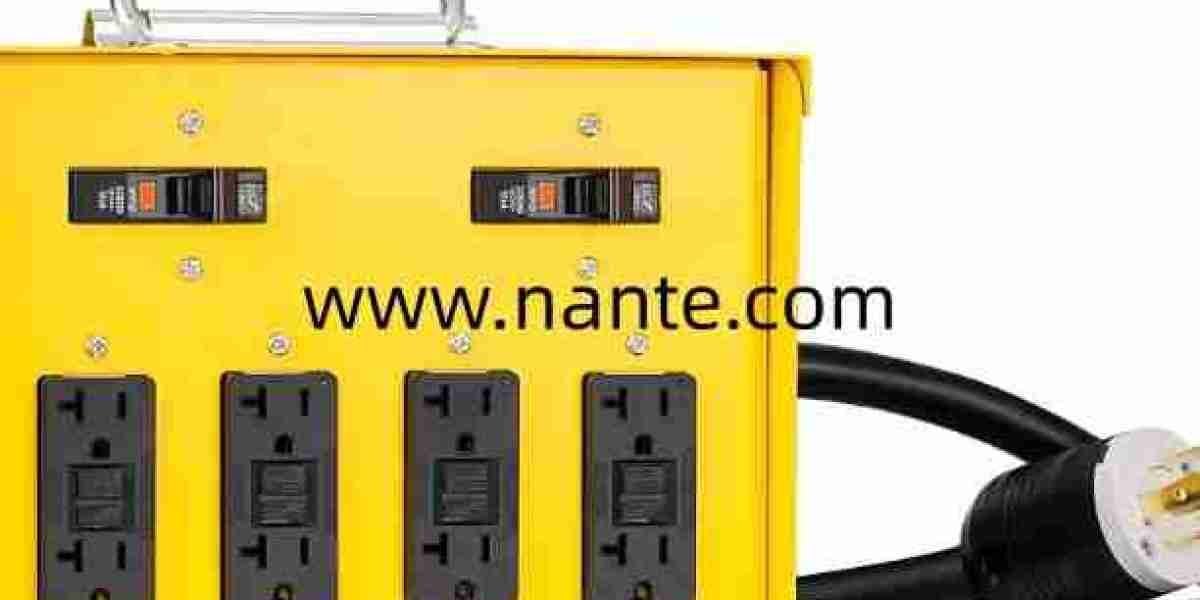

Industrial equipment requires electrical connection components that can be integrated effectively into different professional environments. Manufacturing facilities, workshops, maintenance areas, and construction sites may have different requirements related to equipment movement, connection frequency, available space, and installation conditions. When selecting a 240V Industrial Plug, buyers should evaluate these factors together to ensure that the selected component corresponds with the intended electrical system.
The housing is an important part of industrial plug construction. It provides the external structure around internal electrical components and influences how the product can be installed and handled. Grip areas, cable entry points, terminal arrangements, and connection interfaces can all affect usability. A practical design should allow qualified personnel to work with the component efficiently while fitting the requirements of the surrounding equipment.
Material selection also contributes to product construction. Housing materials provide mechanical support, while insulating and conductive components perform their respective functions. The selected materials should correspond with the intended application and operating environment. Industrial workplaces may involve dust, moisture, vibration, temperature changes, and repeated physical handling, so these factors should be considered during product selection.
The installation environment should be assessed before procurement. A controlled production area can present different conditions from a construction site or outdoor service location. Some equipment may remain stationary, while other machinery is frequently moved or disconnected for maintenance. Understanding the actual working conditions provides a stronger basis for selecting suitable electrical accessories.
Installation quality has a direct influence on the complete connection system. Electrical components should be installed by qualified personnel according to applicable requirements and relevant equipment instructions. Cable preparation, terminal fastening, strain management, and connection compatibility should all be handled correctly. A properly organized installation can also make later inspection and maintenance more convenient.
Routine inspection should be part of industrial equipment maintenance. Electrical plugs can experience repeated handling, connection cycles, and physical contact during normal operation. Maintenance personnel can inspect the housing, cable entry, terminals, and surrounding components for visible damage, looseness, contamination, or other conditions requiring attention. Regular checks can support a more organized maintenance process.
Different industries use electrical connection components in different ways. Manufacturing facilities may require connection points around machinery and production stations. Workshops can use them for tools and service equipment. Construction teams may work with portable equipment across changing locations, while maintenance departments can frequently disconnect equipment during servicing. These differences should be considered when evaluating product suitability.
Ease of handling is another practical factor. Workers may need to connect equipment while wearing protective gloves or working in limited spaces. A clear structure and manageable grip can make routine operations easier. However, convenient handling should always be combined with appropriate electrical safety procedures and qualified installation practices.
Compatibility should be confirmed before purchasing. Buyers should verify the relationship between the plug, associated socket, equipment, cable arrangement, and installation environment. Physical configuration and electrical requirements should correspond with the intended system. Where necessary, qualified electrical professionals can help confirm whether the selected connection component is appropriate for the application.
Manufacturing consistency is particularly valuable when several units are used within one facility. Consistent housing dimensions, terminal positioning, contact arrangements, and assembly procedures can help simplify installation and replacement. Quality inspection during production can support uniform construction and provide greater consistency across different product batches.
A suitable electrical connection should be selected according to the complete application. Equipment requirements, environmental conditions, material construction, installation quality, handling frequency, and maintenance should all be considered before procurement. Businesses comparing professional electrical connection products can review the information available through https://www.socketsfe.com when evaluating a 240V Industrial Plug for workshops, production facilities, and other industrial applications.