
Outdoor activities can take many forms, from a peaceful morning walk through a local park to a demanding camping trip in a remote area. Each situation creates its own expectations for drinkware, particularly when users need a container that can travel comfortably while keeping beverages at a suitable temperature.Vacuum Stainless Steel Flasks are often considered for these applications because insulated construction, durable materials, and portable shapes can work together in a practical format. For companies exploring outdoor drinkware, Penguincup and YuNeng offer a useful starting point for considering how different designs may correspond with hiking, camping, cycling, fishing, road trips, and family outings. What makes one flask suitable for such a wide range of outdoor adventures?
Hiking places considerable attention on portability. A person walking along a forest trail may already carry food, clothing, navigation equipment, and personal belongings, so a drinking container needs to fit naturally into the available space. A balanced shape can make it easier to place inside a backpack or side pocket, while a secure closure helps keep the contents contained during movement across uneven paths.
Camping introduces a wider range of drinking occasions. Morning coffee, afternoon water, evening tea, and chilled refreshments can all become part of the same trip. Instead of carrying several different containers, travelers may prefer a versatile design that accommodates various beverages. Insulation, capacity, lid structure, and cleaning access can therefore become important points during product selection.
Cycling has its own requirements because riders need to consider movement, storage, and accessibility. A compact body may fit a suitable bottle holder or bag compartment, depending on the chosen dimensions. The opening should also be convenient enough for drinking during a rest stop, while the closure should remain secure during transportation over roads with changing surfaces.
Fishing can involve long periods outdoors, often beginning early in the morning when temperatures are relatively low. A warm beverage can be welcome during quiet hours beside a lake or river, while cool water may become preferable as the day progresses. This makes temperature versatility particularly relevant for drinkware intended for fishing trips.
Road travel presents another practical environment. Travelers may spend hours inside cars, vans, or recreational vehicles, making dimensions and storage compatibility important considerations. A container with a stable base and suitable proportions can be easier to position within available spaces, while a reliable lid can help prevent accidental spills when the vehicle is moving.
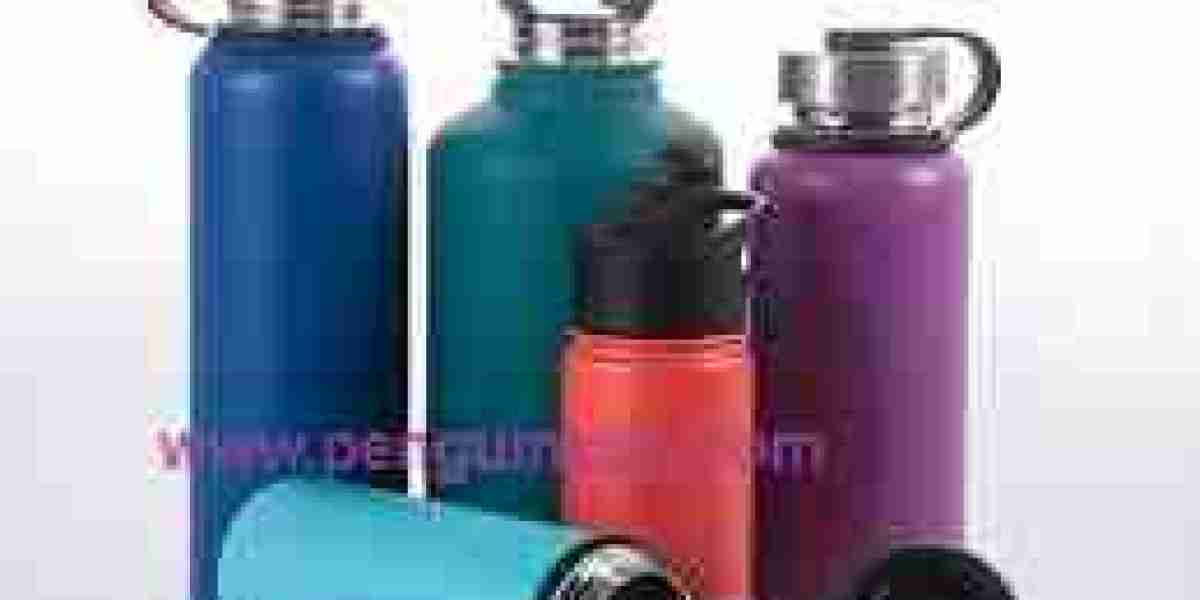
Picnics and family outings place greater attention on appearance as well as function. Drinkware may remain visible on a picnic table or outdoor dining area, so color, finish, graphics, and shape can contribute to the overall presentation. A coordinated set can also create a consistent visual theme for families, retailers, event organizers, or promotional programs.
Weather conditions can change rapidly during outdoor activities, which makes temperature management useful. A beverage that begins warm may need to remain comfortable during a cool morning, while chilled water can be desirable during a sunny afternoon. A well-planned insulated structure allows the same product concept to remain relevant across different seasons and activities.
The material used for the vessel also influences the overall experience. Stainless steel is commonly selected for reusable drinkware because it offers a firm structure and suits repeated everyday handling. Inner walls, outer surfaces, sealing elements, and lid components should be considered together so that the finished product provides a coherent combination of function and appearance.
The lid deserves special attention for outdoor applications. During hiking, cycling, or travel, a container may be placed on its side, moved repeatedly, or carried inside a crowded bag. A dependable closure can reduce the chance of leakage, while a thoughtfully designed drinking opening can make use convenient during short breaks or longer rest periods.
Capacity should reflect the activity. Someone taking a brief walk may prefer a compact format that occupies little space, while a camper preparing for a lengthy excursion may select a larger vessel. Offering different capacities within the same product family can help brands address distinct customer preferences without changing the overall design language.
Weight is another consideration for people who spend long periods outdoors. Backpacks and travel bags can become heavy once food, clothing, tools, and other equipment are added. Product dimensions, wall construction, lid design, and material thickness can influence the final weight, making these details relevant during product development.
Cleaning should not be overlooked. Outdoor users may fill the same container with coffee in the morning and water later in the day, creating different cleaning requirements. A wide opening, accessible interior, and practical sealing structure can make routine maintenance easier, particularly for people who use their drinkware frequently.
The exterior finish can influence both visual character and handling. A smooth surface may suit a minimalist product, while a textured treatment can provide a different tactile experience. Printed artwork, customized colors, and branded finishes can also help a commercial product fit a particular collection or market identity.
Customization is especially relevant for retailers, promotional companies, and outdoor brands. A buyer may request a specific body color, logo treatment, packaging style, lid configuration, or surface finish. These details allow a basic drinkware concept to become part of a wider product collection instead of remaining a generic item.
Packaging deserves consideration as well. Products sold through online channels require protection during transportation, while retail merchandise may need presentation suitable for shelves or displays. Corporate gifts can follow another direction, using customized boxes, sleeves, inserts, or printed materials to create a distinct presentation.
Outdoor brands can also divide a product range according to different activities. One model may emphasize compact carrying for hiking, another may focus on cycling, while another may suit camping or family travel. Shared visual elements can connect the collection, while changes in size, closure, finish, and accessories give each model a clear purpose.
For wholesalers, market differences can influence product planning. Customers in different regions may prefer different capacities, colors, packaging formats, or surface treatments. Discussing these details during development can help buyers select specifications that correspond with their intended sales channels and customer groups.
Samples are useful before a production plan is finalized. A physical sample gives buyers an opportunity to inspect the body proportions, lid operation, surface finish, weight, drinking opening, and overall handling. Adjustments can then be discussed before the final specification moves into manufacturing.
Artwork preparation is equally important for customized products. Logo placement, printing dimensions, color references, and packaging graphics should be communicated clearly. A well-organized specification can help reduce confusion between design teams, purchasing departments, and production personnel.
Outdoor drinkware does not necessarily need complicated features to be useful. A practical shape, reliable closure, comfortable grip, suitable capacity, and easy cleaning can provide a strong foundation. Additional functions can then be selected according to the actual needs of the intended users.
Reusable drinkware can also fit sustainability-focused product concepts. Instead of depending on disposable beverage containers for every outing, users can carry a personal vessel that becomes part of their regular routine. For businesses developing reusable merchandise, this aspect may be relevant when planning product collections.
Family travel creates another opportunity for flexible designs. Adults may prefer larger capacities for longer outings, while children may need smaller formats that are easier to hold. Different colors, finishes, and lid styles can help a family product range serve varied preferences while maintaining a recognizable brand appearance.
Tour operators, camping businesses, travel retailers, and event organizers may also have reasons to consider customized outdoor drinkware. A printed container can become part of a travel package, event gift, membership program, or branded merchandise collection. Packaging and visual details can be coordinated around the purpose of the campaign.
Clear communication remains essential throughout product development. Buyers can prepare reference images, preferred dimensions, target capacity, material requirements, logo files, packaging concepts, and descriptions of the intended environment. These details provide a practical foundation for discussing samples and production arrangements.
Different adventures may call for different priorities, yet the same fundamental product principles remain relevant. Hiking emphasizes portability, camping values versatility, cycling requires convenient carrying, fishing benefits from temperature flexibility, and road trips require practical storage. A thoughtful product range can respond to these differences without losing its overall identity.
Businesses exploring outdoor drinkware can take a closer look at the available product direction through https://www.penguincup.com. A flask carried along a mountain trail, resting beside a campsite, traveling inside a vehicle, or sitting on a picnic table becomes part of the journey itself. When its shape, insulation, capacity, closure, and finish are selected around real outdoor habits, Vacuum Stainless Steel Flasks can become a natural companion rather than simply another piece of travel equipment. For brands working with Penguincup and YuNeng, the development process can begin with understanding where the product will go and how people will actually use it.