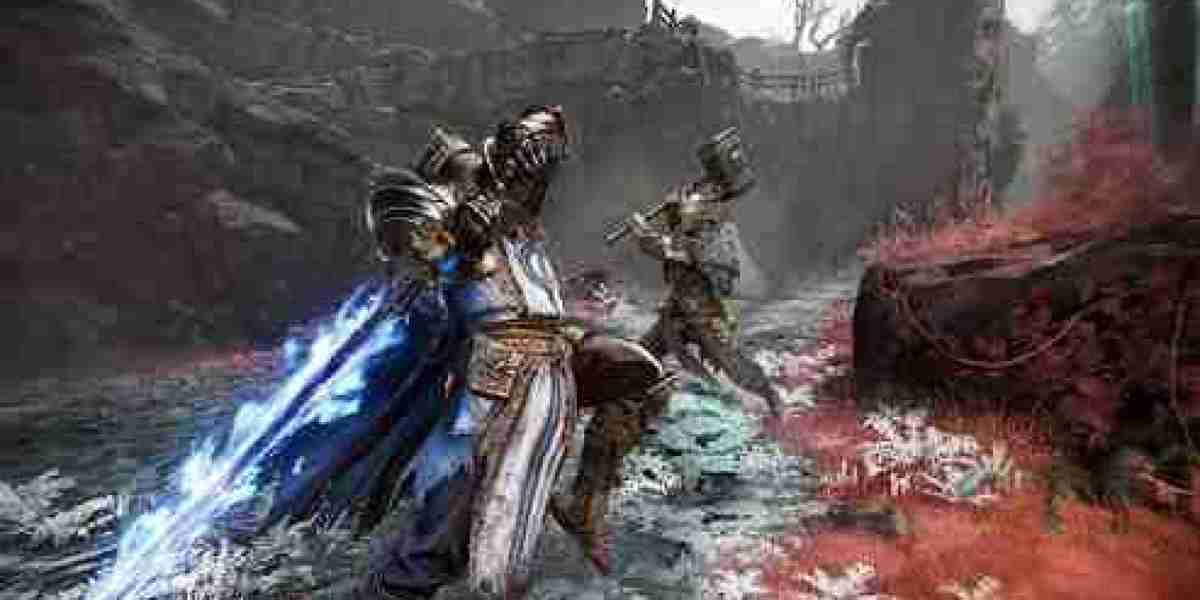

A melee Rogue in Mistfall Hunter is less about landing one huge sequence and more about making every second uncomfortable for the other player. You dart in, force a response, then vanish before they can settle. That style asks a lot from your energy bar, so planning upgrades matters as much as aim. A few carefully chosen pieces funded with Mistfall Hunter Gyldenblod can do more for the build than spreading resources across gear that does not support your main rotation. The core weapon pairing is a Dagger carrying Poison Chroma and Trade, alongside Dual Blades with Slash and Phantom Shift. It gives you a clean answer for pressure, chase potential, and getting out when a fight turns ugly. Poison Chroma is best saved for the moment an enemy tries to reset and heal. Catch them there, and they have to fight on your terms. A solid hit can interrupt their recovery, while a headshot makes that low-health window even more dangerous.
Keeping the Dodge Loop Alive
Aesthetic Technique is what makes this setup feel different from a basic close-range build. Normally, an evade attack leaves a brief recovery window. It is small, but experienced opponents notice it and punish it. When your evade attack connects with Aesthetic Technique, that recovery restriction disappears. Suddenly, you can dodge through pressure, strike, move again, and keep the pace messy. You will quickly notice that damage alone is not the whole story here. If your dodges cost too much, the loop ends early and the Rogue becomes far easier to catch. Elusive is therefore a major priority. It lowers dodge energy use and gives you more chances to trigger the mechanic that makes the build work. Lightweight also fits nicely, especially if you enjoy using jumps and sharp changes of direction to throw off tracking. Do not repeat the same sidestep every time, though. Good players start waiting for it. Mix a dodge attack with a normal slash, pause for half a beat, then move in a different direction.
Using Phantom Shift With Intent
Phantom Shift is easy to waste. Plenty of players use it only when they are already in trouble, then wonder why they have no way out after committing. Treat it as both an entry tool and a safety line. With the right supporting talents, the teleport grants Super Armor and lets you pull back toward your earlier position. That opens up a useful pattern: shift onto a target, swap to the Dagger, apply Poison Chroma and a quick attack, return to Dual Blades, then use the return movement once the enemy starts swinging back. It is not something to force every encounter. If the target still has defensive skills ready, going all-in can leave you stuck at close range with no energy. Keep one movement option in reserve whenever possible. Slash supplies steady pressure once you are in range, but Phantom Shift is what makes the engagement hard to read. Against ranged opponents, approach from an odd angle instead of walking straight at them. Against another melee player, let them spend their gap closer first, then answer with your own movement.
Talents, Affixes, and Energy Decisions
For the usual Dual Blades route, Battle Frenzy tends to give steadier value than Wound Buildup. Wound Buildup has a place with Holy Dual Blades and bleed-focused choices, but it is not the default pick for this Poison Chroma setup. Depletion is worth taking because it improves the anti-heal pressure that wins many close fights. Unstoppable and Resilience are also practical choices when stuns, slows, and other control effects are common in your matches. On gear, Valor brings dependable damage, while Aegis helps you survive the moments when your evasive rhythm breaks down. Fervor is especially comfortable in solo play because the build spends energy nonstop. Pair it with Vitality and the rotation feels much less cramped. Stoic can save a fight when your health is low, buying just enough time to disengage or turn on a careless pursuer. Energy Overdraft deserves real attention too. It removes the usual delay before regeneration starts after your energy hits zero. That sounds minor on paper. In a long duel, it often decides whether you get one more dodge or stand still and take the hit. When working on Wine effects, push useful thresholds first rather than chasing tiny gains across every slot.
Final Thoughts
Solo play is where the Rogue can lean into Fervor, Vitality, and relentless one-on-one pressure. Hold Poison Chroma until healing becomes likely, keep Aesthetic Technique active through clean evade hits, and never spend every escape tool just to start a fight. In trios, the job changes a bit. Strife can replace Fervor, and Crow Storm becomes a strong setup option for your team. Control a target with Crow Storm, apply Poison so they cannot recover comfortably, let teammates add their damage, then leave before the enemy group closes around you. That is often more useful than chasing every elimination yourself. As you refine the character, it may be worth choosing to buy Mistfall Hunter Gyldenblood for key upgrades rather than spending on scattered small improvements. Prioritise dodge efficiency, energy capacity, control resistance, and reliable damage first. Once those pieces click, the Rogue stops feeling fragile and starts feeling like a problem nobody can pin down.