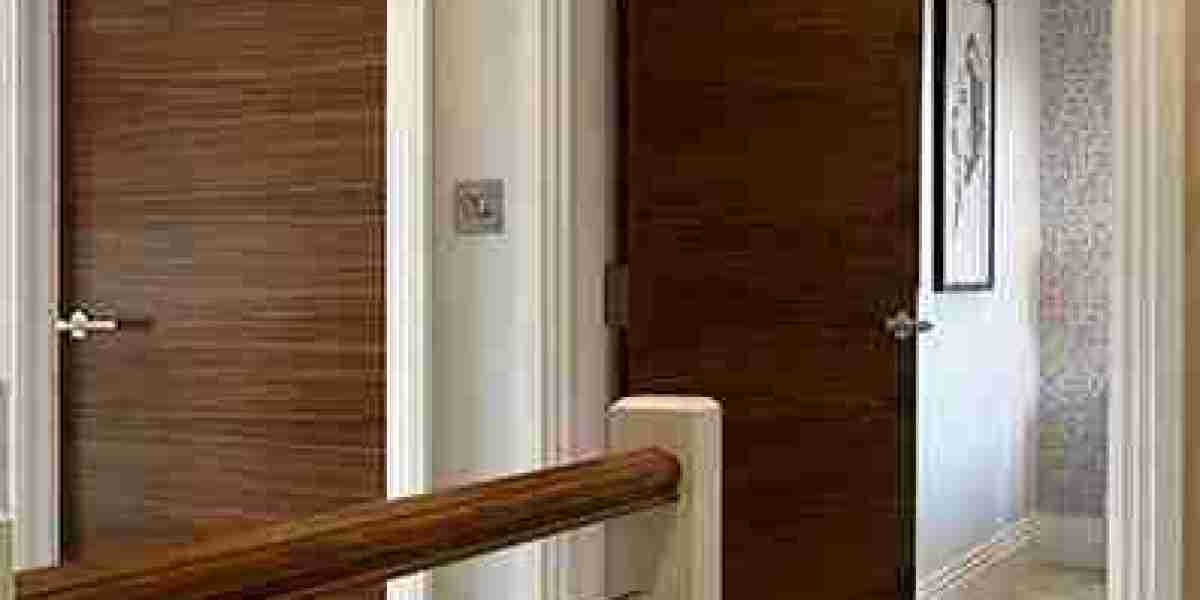

Veneer Door Manufacturer selection can have a direct influence on the appearance, consistency, and installation experience of an interior project. Buyers should look beyond product photographs and examine how raw materials are handled, how surface layers are prepared, how core structures are assembled, and how finished units are inspected. A production partner should be able to explain these processes clearly and provide samples that allow buyers to compare actual workmanship before making larger purchasing decisions.
Start With Material Selection
Material selection is one of the first areas worth discussing with a potential production partner. A decorative wood surface can be paired with different engineered cores depending on the intended application. Common core choices include MDF, plywood, particleboard, and other engineered materials. Each option can influence weight, machining behavior, surface stability, and hardware installation.
MDF provides a uniform surface that can work well with decorative finishes and precision machining. Plywood can provide a layered structure suited to applications where screw holding and structural behavior receive greater attention. The appropriate choice depends on project requirements rather than a single material being suitable for every situation.
Examine Surface Preparation
The visible surface deserves careful attention because small production differences can become noticeable after installation. Buyers can request samples with the intended finish and compare grain arrangement, color consistency, edge treatment, and overall appearance under normal indoor lighting.
A responsible production process should also include attention to bonding between the decorative layer and its substrate. Research into decorative panel manufacturing has shown that combinations involving core type, surface material, adhesive selection, and processing conditions can influence surface checking behavior.
This makes sample approval useful before larger orders. Instead of judging a supplier only through catalog images, project teams can inspect physical samples and confirm whether the finish matches their design expectations.
Review Dimensional Quality
Interior installation depends on predictable dimensions. Even attractive products can create unnecessary work if sizes, edges, or preparation areas vary between units.
Ask how the production team checks length, width, thickness, squareness, surface flatness, and hardware preparation. A documented inspection process can make communication easier when several units need to maintain a consistent appearance.
Buyers can also request information about how production samples are retained and how inspection results are recorded. These details provide a clearer picture of how a factory manages repeat orders.
Consider Customization Capability
Modern interior projects often involve different room layouts, design themes, and installation conditions. A suitable manufacturing partner should therefore be able to discuss customization without making the process unnecessarily complicated.
Useful areas to discuss include surface patterns, wood species, finish choices, panel arrangements, edge treatments, and hardware preparation. Clear drawings and sample approval can help both sides confirm details before production begins.
For larger projects, consistency between batches is particularly important. A factory should have a practical method for matching approved samples with later production so that the project maintains a coordinated visual appearance.
Check Communication and Quality Control
Production capability is only one part of supplier evaluation. Communication also affects the purchasing process. Buyers should pay attention to how clearly a factory responds to questions about materials, samples, production stages, inspection, packaging, and delivery arrangements.
Quality control can include raw material inspection, process checks, dimensional verification, surface review, and final inspection. A structured approach can help identify issues before products leave the facility. Current manufacturing guidance also emphasizes checking components and the finished assembly rather than relying only on individual material descriptions.
Packaging should receive attention as well. Interior products can be exposed to handling and transportation risks after leaving production. Appropriate edge protection, moisture protection, and stable packing arrangements can help reduce avoidable damage during transit.
Why Production Transparency Matters
A supplier relationship becomes easier to manage when buyers know what happens between order confirmation and final shipment. Clear production stages allow project teams to approve samples, confirm materials, review finishing details, and address changes before manufacturing progresses too far.
For buyers comparing several factories, this approach can create a practical evaluation framework. Instead of focusing only on price, they can compare material options, sample quality, inspection procedures, customization support, communication, and packaging arrangements.
Supporting Interior Projects With Practical Manufacturing
For architects, contractors, distributors, and property developers, choosing a manufacturing partner is ultimately about matching design expectations with a workable production process. Kingsdoorbest can support this process through material selection, finish coordination, customization discussions, and project communication tailored to different interior applications.
A thoughtful purchasing process starts with clear requirements and continues through sample approval, production inspection, and shipment preparation. Buyers who evaluate these areas carefully can make decisions based on practical project needs rather than appearance alone.
To review available interior product options and connect design requirements with suitable manufacturing solutions, visit https://www.kingsdoorbest.com/product/ as a natural next step for project planning.