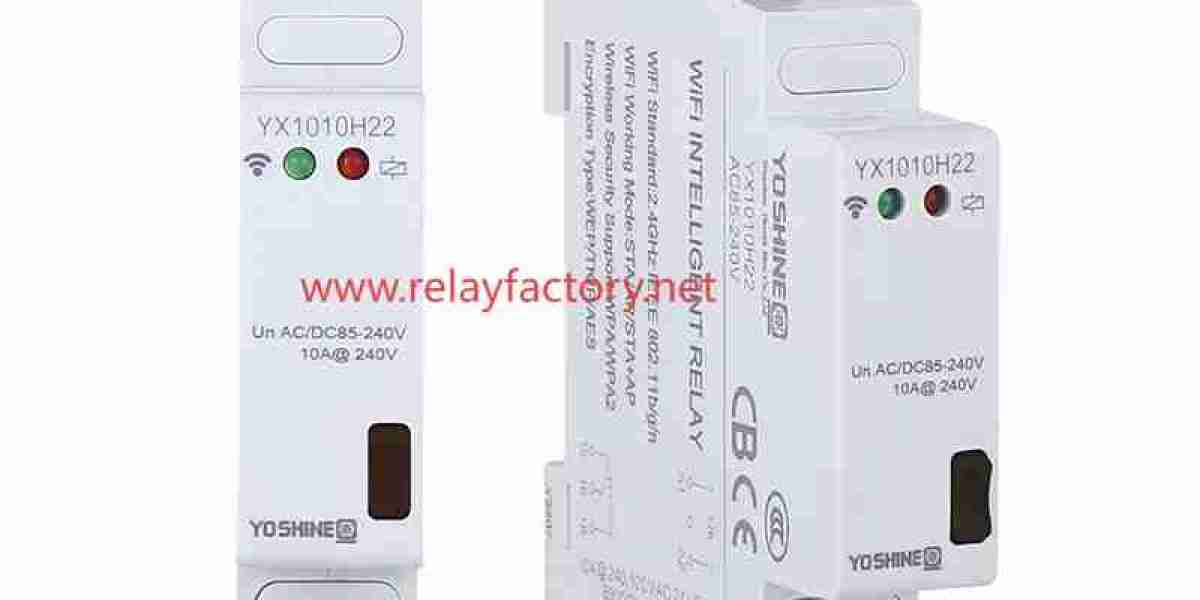

Multifunction Time Relay technology can be used in smart electrical equipment when different actions need to happen according to defined intervals, delays, pulses, or repeating cycles. Modern equipment often combines motors, lighting, ventilation, pumps, sensors, and control circuits within one system. Instead of treating every action as an isolated task, designers can use configurable timing control to coordinate several stages of operation. This approach is useful for equipment that needs automatic responses while keeping the electrical arrangement practical and organized.
Smart Equipment Requires More Than Simple Switching
Traditional switching is suitable when a device needs to turn on or off immediately. Smart equipment can involve more complicated sequences. A motor may need to start after another process finishes. A fan may continue operating for a period after a machine stops. Lighting may remain active for a defined interval before switching off.
These situations require timing logic rather than simple switching. A configurable component can help designers arrange these actions according to the requirements of the equipment.
This can be useful during equipment development because one control arrangement may need to handle several operating conditions. Designers can consider timing functions alongside sensors, contactors, controllers, and other electrical components.
Where Can This Technology Be Applied?
One important application area is automated machinery. Production equipment may contain several stages that must operate in a planned order. Delayed activation can allow one process to finish before another begins, while cyclic operation can support repeated movement or controlled intervals.
Pumps are another practical application. Water circulation equipment, drainage systems, and process machinery may need controlled running periods. Timing control can coordinate start and stop actions without requiring constant manual intervention.
Lighting systems can also benefit from scheduled switching. Commercial buildings, warehouses, corridors, and utility areas may use automatic timing to control when lighting equipment operates.
Ventilation equipment provides another example. Fans can be programmed to remain active after a room, machine, or process has finished operating. This type of sequence can be useful when airflow needs to continue for a defined period.
Supporting Smart Building Equipment
Smart buildings bring several electrical functions into one coordinated environment. Lighting, ventilation, pumps, access equipment, and other systems may each have different operating schedules.
Timing control can help organize these functions. For example, corridor lighting may remain active for a short period after a detection signal. Ventilation can continue after occupancy changes. Pumps can operate according to a planned cycle.
The purpose is not simply adding more automation. Designers also need to consider how each function interacts with the wider electrical system. A timing component should therefore match the intended control method, electrical environment, installation arrangement, and required sequence.
Helping Designers Manage Flexible Control Requirements
Equipment development can change during the design process. A system that initially requires one delayed action may later need additional timing functions. This is one reason configurable timing components can be useful.
A flexible device can allow engineers to adjust operating behavior without redesigning the entire control arrangement. Depending on the application, designers may need delay activation, delayed shutdown, pulse operation, interval control, or repeated cycling.
This flexibility can also help maintenance teams. When equipment behavior needs adjustment, technicians can review the existing control settings rather than replacing several separate components.
What Should Engineers Consider?
Application requirements should come before product selection. Engineers can review the required timing range, control method, electrical load, installation location, environmental conditions, and interaction with other components.
The timing behavior should also correspond with the equipment sequence. A short delay for lighting is different from a longer interval used for ventilation or pump operation.
Physical installation matters as well. Control cabinets have limited space, and equipment layouts need to remain accessible for inspection and maintenance. A component that fits naturally into the intended arrangement can make panel planning more straightforward.
How Relayfactory Supports Smart Equipment Projects
For equipment manufacturers and electrical integrators, Relayfactory provides timing control products intended for different automation and electrical applications. Its product range can be considered when designers need configurable timing functions for machinery, lighting, pumps, ventilation, and other smart equipment.
The focus should remain on matching the product to the actual application rather than choosing based on broad claims. Proper selection involves reviewing circuit requirements, operating conditions, installation needs, and the desired sequence before implementation.
As smart electrical equipment continues to combine more automated functions, practical timing control remains an important part of system design. Engineers can use flexible components to coordinate actions, simplify certain control arrangements, and adapt equipment behavior to specific operating requirements.
For product information and application planning, the Relayfactory product range is available at https://www.relayfactory.net/product/time-relay/