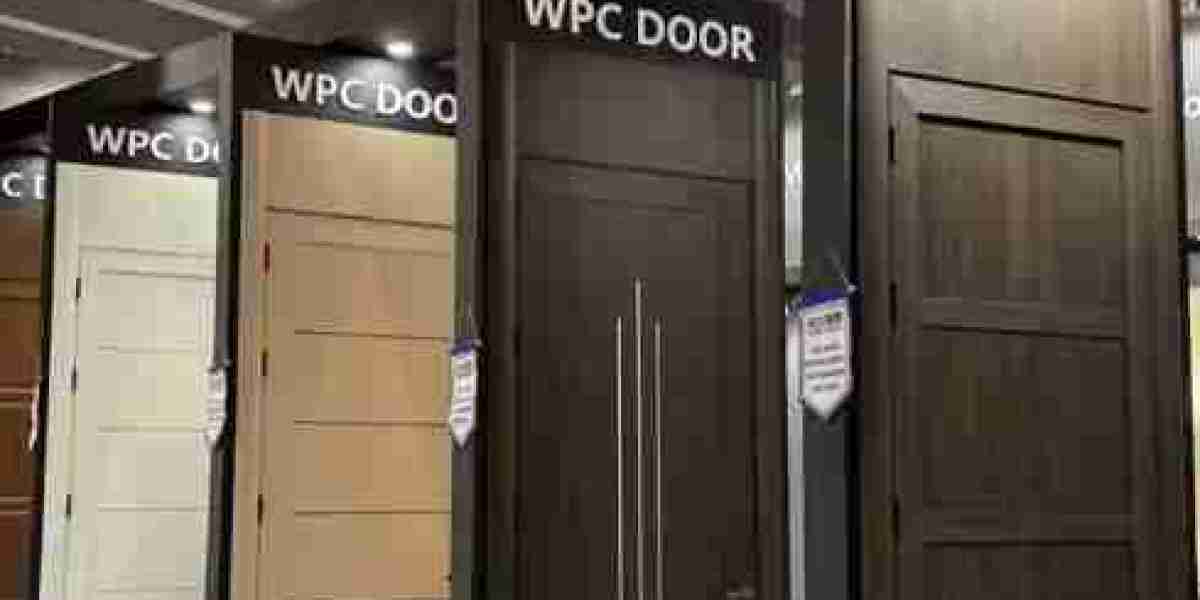

WPC Door Factory selection should begin with the project requirements, including application, dimensions, surface preferences, material structure, hardware preparation, quantity, installation conditions, packaging, and delivery schedule. Builders, distributors, contractors, and project buyers can use these factors to compare potential suppliers. Haibodoor works with buyers who need interior products coordinated with different residential and commercial project conditions.
Start With The Intended Application
The first step is identifying where the product will be installed.
Residential projects may involve bedrooms, bathrooms, kitchens, studies, storage areas, and other interior spaces.
Commercial applications can include hotels, offices, apartments, restaurants, schools, and other facilities.
Each environment may have different expectations concerning appearance, moisture exposure, cleaning routines, privacy, frequency of use, and installation conditions.
Providing this information at the beginning gives the manufacturer a clearer understanding of the project.
Review The Material Structure
WPC is a composite material that combines wood based components with polymer materials.
The exact formulation and construction method can vary between manufacturers.
Buyers should therefore ask about the material structure rather than assuming every product has the same characteristics.
Important considerations can include moisture exposure, dimensional stability, surface treatment, weight, internal construction, and intended application.
Matching the material structure with the actual environment can help create a more practical purchasing decision.
Compare Surface Options
Appearance can influence the overall interior design.
Buyers may need solid colors, wood inspired textures, decorative patterns, matte finishes, or other surface treatments.
The selected appearance should coordinate with flooring, walls, cabinets, furniture, and hardware.
For a residential development, a consistent surface can help create a unified interior concept.
For hospitality and commercial projects, buyers may require several coordinated finishes for different areas.
Confirm Dimensions Carefully
Dimensions should be confirmed before production.
Buyers can provide height, width, thickness, frame information, opening direction, wall conditions, and installation requirements.
Renovation projects may involve unusual openings, while new developments may use repeated configurations.
For larger projects, approved drawings can serve as a common reference for purchasing, manufacturing, inspection, and installation teams.
This can reduce confusion when several departments are involved.
Check Customization Capability
Different projects can require different configurations.
Customization may involve dimensions, colors, textures, surface patterns, frame arrangements, hardware positions, opening directions, or other design details.
Before placing an order, buyers should identify which requirements are fixed and which can be adjusted.
A clear customization process can make it easier to move from drawings to samples and then into production.
Request A Physical Sample
A physical sample can help buyers evaluate the proposed configuration before larger quantities are produced.
The project team can check color, texture, dimensions, edge treatment, construction, surface appearance, and hardware preparation.
Designers and installers can also provide feedback before production starts.
Once approved, the sample can become a reference for subsequent batches.
This is particularly useful when a project involves many repeated units.
Evaluate Hardware Preparation
Hardware should be discussed before manufacturing.
Handles, hinges, locks, closers, and related components may require specific preparation positions.
Buyers can provide hardware drawings or component information when necessary.
The manufacturer can then coordinate preparation details with the approved project requirements.
A sample assembly can also help confirm compatibility before the full quantity is produced.
Consider Moisture Conditions
Different rooms experience different levels of humidity.
Bathrooms, kitchens, laundry rooms, and other areas may require greater attention to moisture exposure.
Buyers should explain the intended application before selecting materials and surface treatments.
Installation details also matter.
Ventilation, surrounding materials, edge treatment, and site conditions can influence the suitability of a particular configuration.
Review Production Organization
A supplier should be able to explain how project information moves from approval into manufacturing.
Important information may include drawings, dimensions, surface references, hardware positions, quantities, packaging instructions, and inspection requirements.
For repeated orders, maintaining these records can help reduce unnecessary changes between batches.
Organized production communication can also make it easier to handle revisions when construction plans change.
Check Inspection Arrangements
Inspection should focus on characteristics that matter to the buyer.
Possible inspection points include dimensions, surface condition, assembly accuracy, edge treatment, hardware preparation, quantity, and packaging.
These requirements should be discussed before production.
For large projects, consistent inspection references can help buyers compare different batches against the approved sample and project documents.
Consider Packaging
Packaging needs depend on transportation and construction conditions.
Builders may require protective materials, product identification, quantity labels, carton arrangements, or grouped shipments.
For apartment developments, products may need to be separated according to buildings, floors, rooms, or construction phases.
Clear packaging information can help site teams organize incoming materials and reduce unnecessary handling.
Plan Delivery Around Construction
Delivery should be connected with the actual project schedule.
Sending materials too early may create storage difficulties.
Sending them too late can affect installation planning.
Buyers should therefore discuss production timing, shipment grouping, destination requirements, and unloading conditions before finalizing an order.
For larger developments, phased delivery may provide a more organized approach to material handling.
Review Communication During Changes
Construction projects can change after an order has been placed.
Quantities may be revised. Drawings can change. Hardware selections may be updated. Delivery schedules can also move.
These changes should be communicated clearly before they affect production.
A supplier with organized project records can help buyers confirm which version of the requirements has been approved.
This can reduce confusion between purchasing, design, manufacturing, and installation teams.
Consider Repeat Orders
Project buyers may need additional quantities after the original shipment.
This can happen when construction expands, replacement units are required, or another building uses the same interior concept.
Approved samples, drawings, finish references, hardware information, and production records can make future purchasing discussions easier.
A clear reference system is particularly useful for contractors and developers managing several related projects.
Compare Supplier Experience With Your Project
Not every supplier is suited to every project.
A small residential renovation may require flexible customization and attention to individual details.
A large apartment development may require repeated production, organized packaging, phased shipments, and consistent project documentation.
Commercial developments can involve additional requirements related to appearance, maintenance, and installation.
Buyers should therefore compare manufacturing capabilities according to their actual project scale and application.
Review Production Flexibility
Flexibility can matter when project requirements change.
A supplier may need to adjust quantities, surface choices, dimensions, packaging, or hardware arrangements during the development process.
Buyers should ask how these changes are handled before production.
Clear procedures can help both sides understand when a change is still possible and when it may affect manufacturing or delivery.
Consider Long Term Purchasing
Supplier selection can influence future procurement.
A builder may later require additional quantities, replacement products, new finishes, or similar configurations for another property.
Keeping approved project references can make these discussions easier.
A manufacturing relationship based on clear records and communication can also reduce repeated clarification when similar requirements return.
Build A Clear Supplier Checklist
Before making a final decision, buyers can create a checklist covering several areas.
These may include material structure, application suitability, dimensions, surface options, customization, hardware preparation, sample approval, inspection, packaging, delivery, and communication.
Comparing suppliers through the same checklist can make purchasing discussions more structured.
It also helps buyers focus on practical project requirements instead of relying on appearance or pricing alone.
Why Haibodoor Can Be Considered
Haibodoor works with buyers seeking interior solutions for residential developments, apartments, hotels, offices, and other construction applications.
Project support can involve customized configurations, sample development, production coordination, inspection, packaging, and shipment planning.
For buyers handling different project types, discussing the actual application and installation conditions can provide a clearer basis for selecting a suitable configuration.
A reliable manufacturing partner should be evaluated according to the needs of the project.
Buyers can review material structure, surface appearance, dimensional control, customization capability, sample procedures, hardware preparation, inspection, packaging, delivery planning, and communication.
The final choice should reflect the building environment, project quantity, design requirements, installation conditions, and purchasing schedule.
For buyers preparing upcoming residential or commercial projects, the available product range at https://www.haibodoor.com/product/ can be reviewed alongside dimensions, surface preferences, hardware arrangements, packaging requirements, installation conditions, and delivery plans.