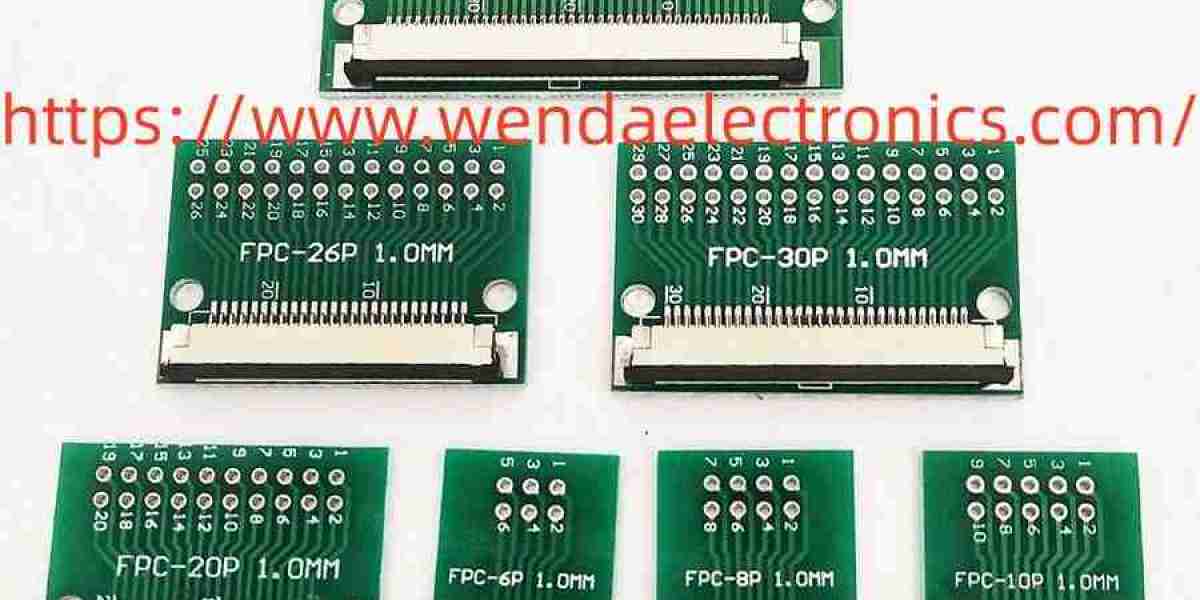

FPC Flat Connector plays an important role in compact electronic designs where available installation space is limited and circuit routing needs to remain organized. Unlike bulky connection arrangements, a flat interface can fit more naturally into narrow internal spaces while supporting electrical contact between circuit sections. Wendaelectronics provides connection solutions for manufacturers developing compact electronics, control equipment, display products, and other devices where circuit layout and assembly space require careful consideration.
Why Thin Circuit Design Needs Different Connection Methods
Modern electronic equipment continues to place more functions into compact housings.
As internal space becomes limited, designers need to consider not only the circuit itself but also how individual sections connect with one another.
Traditional cable arrangements can require additional routing space, bending clearance, and retention structures.
A flatter connection approach can give designers another option when planning compact internal layouts.
This does not mean every application requires the same solution. The appropriate structure depends on the circuit design, available space, mechanical conditions, and electrical requirements.
Supporting Compact Internal Layouts
Space management is an important part of product development.
A connection component occupies physical room inside the finished equipment. Its width, height, contact arrangement, and installation direction can therefore influence the surrounding layout.
A compact interface can allow engineers to position circuit sections closer together when the design permits.
This may also provide more flexibility when arranging batteries, control modules, displays, sensors, or other internal components.
The final design still needs sufficient clearance for assembly, inspection, and maintenance.
Working With Flexible Circuit Structures
Flexible circuits can bend around designated areas of a device.
This characteristic is useful in products where circuit paths need to follow curved or limited spaces.
The connection interface needs to accommodate the structure of the circuit without creating unnecessary stress.
Designers should consider bending direction, connection position, retention method, and surrounding components before finalizing the layout.
The objective is to create a connection arrangement that works with the movement and geometry expected during normal product operation.
Supporting Electrical Contact
A connection component has to provide an electrical path between the relevant circuit sections.
Contact arrangement, conductive materials, contact pressure, and surface condition can all influence electrical performance.
For this reason, product selection should consider the actual circuit requirements rather than physical size alone.
Designers may need to review current requirements, signal characteristics, contact configuration, and environmental conditions before choosing a suitable connection method.
Helping Designers Manage Routing
Circuit routing can become complicated when several functional sections need to fit inside a small enclosure.
A flat connection structure can provide a defined interface between circuit areas.
This can make routing easier to plan because the designer can establish a specific connection position instead of creating an unrestricted cable path.
Clear routing can also help reduce unnecessary crossings and make internal assembly easier to understand.
Assembly Considerations
The connection interface also affects how a product is assembled.
Manufacturers need to consider insertion direction, component positioning, available tool clearance, retention, and inspection access.
A design that looks suitable on a drawing may require adjustments once production begins.
Sample testing can therefore help manufacturers verify whether the connection structure is practical for their actual assembly process.
Early evaluation may also identify areas where operators need additional access or guidance.
Supporting Compact Consumer Electronics
Compact electronic products often have strict internal space requirements.
Examples can include portable devices, display equipment, control units, measurement products, smart equipment, and other electronics with limited enclosure volume.
In these applications, connection components need to fit the mechanical structure while maintaining the required electrical interface.
The exact requirements vary between products, so manufacturers should evaluate the complete device structure before confirming a design.
Flexible Circuit Applications In Equipment Design
Flexible circuit structures can also appear in equipment where components are positioned at different angles or locations.
A suitable connection interface can help bridge these circuit sections while keeping the internal layout organized.
This can be useful when engineers need to route circuits around mechanical structures.
The connection method should be selected according to the expected movement, installation environment, electrical conditions, and product assembly procedure.
Considering Mechanical Stress
Mechanical conditions should not be overlooked.
Repeated movement, vibration, insertion, removal, and bending can place stress on connection areas.
Designers should identify where movement occurs and determine whether the connection area remains sufficiently supported.
The surrounding housing can also provide mechanical support when the product design allows it.
Proper retention and installation procedures are important for maintaining the intended connection condition.
Environmental Factors
The operating environment can influence component selection.
Temperature changes, moisture, dust, vibration, and repeated mechanical movement may affect the behavior of electronic connection components.
Manufacturers should therefore provide suppliers with relevant application information.
A component intended for a controlled indoor device may have different requirements from one used in equipment exposed to changing environmental conditions.
Application information allows the selection process to consider actual operating circumstances.
Product Development And Sample Testing
Before entering regular production, manufacturers can evaluate samples within the intended device.
This can reveal practical issues involving clearance, insertion, routing, retention, and assembly sequence.
Engineers can also verify whether the connection location works with nearby components.
If adjustments are required, changes can be discussed before production quantities increase.
This approach can make product development more structured and reduce unnecessary redesign during later manufacturing stages.
Working With A Connection Supplier
A supplier can contribute more than a finished component.
During product development, manufacturers may need assistance with dimensions, contact arrangements, packaging, production quantities, sample preparation, and customization requirements.
Clear communication helps both sides understand the application.
Wendaelectronics works with manufacturers developing electronic products that require connection solutions for compact and flexible circuit arrangements.
What Buyers Should Consider Before Ordering
Buyers can prepare several details before contacting a supplier.
These may include circuit dimensions, contact quantity, installation direction, available space, conductor or circuit structure, operating environment, assembly method, and expected purchasing volume.
Drawings or application information can make technical communication easier.
For customized projects, buyers should also confirm which dimensions and features are fixed and which can be adjusted during development.
Planning For Future Production
A connection component may be used across multiple production batches.
For this reason, manufacturers can benefit from maintaining clear references for approved samples, drawings, packaging, inspection requirements, and product identification.
This can make future purchasing discussions easier when the same configuration is required again.
A structured approach can also help engineering and purchasing teams communicate more efficiently.
Building Better Compact Circuit Layouts
Thin and flexible electronic products require careful coordination between electrical design and mechanical structure.
The connection interface is one part of that process, but it can influence routing, assembly, available space, maintenance access, and overall product organization.
Choosing a suitable solution requires consideration of the complete application rather than focusing on one characteristic.
For manufacturers evaluating connection products for compact electronic equipment, flexible circuit assemblies, and space limited designs, the product information at https://www.wendaelectronics.com/product/ can be naturally reviewed alongside circuit requirements, mechanical layouts, assembly procedures, and purchasing plans.