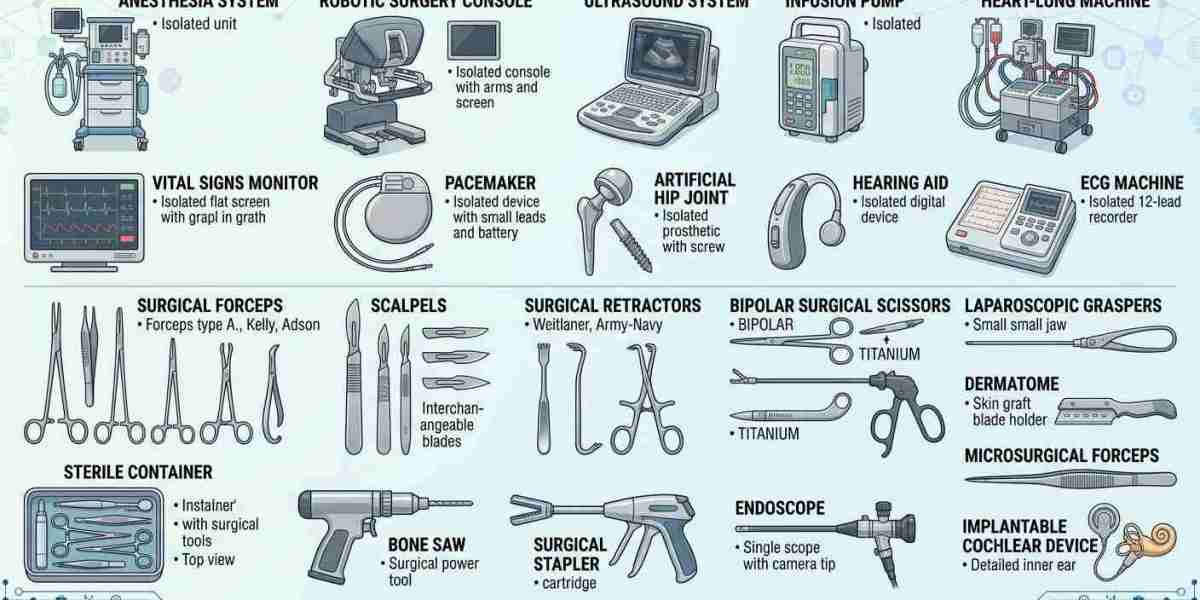

Modern healthcare relies on technology to support doctors, nurses, technicians, and patients. Biomedical devices are an important part of this technology. They are used in hospitals, clinics, laboratories, emergency centers, surgical units, rehabilitation centers, and homes. These devices help medical professionals examine patients, monitor their health, identify medical problems, and provide suitable treatment.
The uses of biomedical devices have grown as healthcare technology has improved. Some devices are simple and used for basic checks, while others are advanced systems designed for critical care. When selected, installed, and maintained correctly, these devices can make healthcare services more accurate, organized, and efficient.
What Are Biomedical Devices?
Biomedical devices are medical tools, machines, instruments, and systems that support patient care. They can be used for diagnosis, monitoring, treatment, prevention, and recovery. Their design and purpose can vary greatly depending on the medical need.
Common examples include ECG machines, patient monitors, infusion pumps, ventilators, defibrillators, ultrasound systems, blood pressure monitors, oxygen equipment, and laboratory testing devices. Each device has a specific function, and many are used together to provide complete patient care.
The right device can give healthcare professionals useful information about a patient's condition. This information can help them understand health problems and make suitable decisions.
Uses in Patient Diagnosis
One of the most important uses of biomedical devices is diagnosis. Doctors need reliable information to identify diseases and understand a patient's health condition. Diagnostic devices help collect this information through tests, measurements, and images.
An ECG machine, for example, records the electrical activity of the heart. It can help healthcare professionals check for certain heart-related problems. Ultrasound equipment can produce images of internal organs and tissues, helping doctors examine areas that cannot be seen from outside the body.
Laboratory devices are also used to test blood, urine, and other samples. These tests can provide information about different health conditions. By supporting the diagnosis process, medical technology can help healthcare professionals identify problems and plan suitable care.
Uses in Patient Monitoring
Patient monitoring is another major use of biomedical devices. Some patients need regular or continuous observation, especially when they are seriously ill or recovering from a medical procedure.
Patient monitors can measure and display vital signs such as heart rate, blood pressure, oxygen level, and temperature. Medical staff can use these readings to observe changes in a patient's condition.
Monitoring is especially important in intensive care units, emergency departments, operating rooms, and recovery areas. If a patient's condition changes, the information shown by the device can help trained medical staff respond appropriately.
Uses in Emergency Care
Emergency departments require equipment that can provide fast and reliable support. Biomedical devices are used during many emergency situations to help medical teams assess and manage patients.
Defibrillators are used during certain cardiac emergencies. Patient monitors can show vital signs, while other devices can provide breathing or circulation support when needed. Portable equipment can also be moved quickly from one area to another.
The condition of emergency equipment is extremely important. Regular testing, maintenance, and staff training can help ensure that devices are ready for use when an emergency occurs.
Uses in Medical Treatment
Biomedical devices are also widely used to support medical treatment. Many treatments require accurate control, measurement, or delivery of care.
Infusion pumps are used to deliver fluids, nutrients, or medicines at controlled rates. Ventilators can provide breathing support to patients who cannot breathe normally. Electrosurgical devices can support surgeons during certain procedures.
These devices help trained healthcare professionals carry out treatment in a controlled manner. They are not a replacement for medical knowledge, but they provide important support during patient care.
Uses in Surgical Procedures
Modern surgery depends on many types of medical equipment. Biomedical devices can help surgeons and medical teams perform procedures with greater control and accuracy.
Electrosurgical devices may be used during operations to cut tissue or control bleeding. Patient monitoring equipment helps the medical team observe vital signs during surgery. Other equipment can support anesthesia, breathing, and recovery.
The type of equipment used depends on the procedure and the patient's needs. Proper training is essential because surgical devices must be handled carefully and according to medical guidelines.
Uses in Laboratory Testing
Laboratories use biomedical technology to examine patient samples and produce test results. Laboratory equipment can help healthcare professionals detect changes that may indicate disease or other health problems.
Modern laboratory systems can perform many tasks with speed and consistency. They may be used to examine blood, urine, tissue, and other samples.
Accurate laboratory testing is important because doctors often use test results along with physical examinations and patient history when making medical decisions. Reliable equipment and proper testing methods can support better healthcare services.
Uses in Rehabilitation and Recovery
Biomedical technology also has a role after diagnosis and treatment. Patients recovering from injuries, surgery, or certain health conditions may need rehabilitation and support.
Rehabilitation equipment can help patients improve movement, strength, balance, or other physical abilities. Monitoring devices may also be used to track progress during recovery.
The exact equipment depends on the patient's condition and rehabilitation plan. When used correctly by trained professionals, technology can support a structured recovery process.
Uses in Home Healthcare
The use of biomedical devices is no longer limited to hospitals. Some medical devices are designed for use at home under suitable medical guidance.
Portable blood pressure monitors, blood glucose meters, oxygen equipment, and other devices can help patients monitor certain health conditions outside a hospital. Home monitoring can be useful for patients who need regular checks but do not need to stay in a medical facility.
Remote monitoring technology is also developing. Some devices can send health information to healthcare professionals, allowing them to follow certain patients from a distance.
Role of Biomedical Equipment in Healthcare
biomedical equipment supports many areas of medical care. It includes equipment used for diagnosis, monitoring, treatment, laboratory work, emergency care, and patient support.
Proper management of this equipment is important. Healthcare facilities need to make sure that devices are installed correctly and used by trained staff. Regular cleaning, inspection, calibration, and maintenance can help equipment perform properly.
Healthcare centers should also keep records of equipment checks and repairs. This can make it easier to identify problems and plan future maintenance.
Choosing a Biomedical Devices Supplier
Choosing the right biomedical devices supplier is important for healthcare organizations. A supplier should provide products that match the medical needs of the facility and meet suitable quality and safety requirements.
Healthcare providers should consider product quality, technical support, warranty, maintenance services, spare parts, installation, and staff training. These factors can be just as important as the purchase price.
A dependable supplier can help healthcare facilities choose suitable equipment and provide support after the purchase. This can help reduce equipment problems and support long-term use.
Importance of Proper Maintenance
The effective use of biomedical devices depends heavily on proper maintenance. Even high-quality equipment may become unreliable if it is not checked and maintained correctly.
Regular maintenance can help identify problems before they affect patient care. Calibration is especially important for devices that measure patient information because incorrect readings can affect medical decisions.
Staff should also understand how to operate each device. Proper training can reduce misuse and help protect both patients and healthcare workers.
Future Uses of Biomedical Devices
Biomedical technology continues to develop. New devices are becoming more portable, connected, and easier to use. Wearable sensors and remote monitoring systems are creating new ways to collect health information.
Artificial intelligence may also support some medical tasks by helping analyze large amounts of information. Connected devices may allow healthcare professionals to monitor patients outside traditional medical settings.
As technology advances, safety, accuracy, privacy, training, and proper maintenance will remain important. New devices should be introduced with proper testing and responsible use.
Conclusion
Biomedical devices have many uses across modern healthcare. They support diagnosis, patient monitoring, emergency care, treatment, surgery, laboratory testing, rehabilitation, and home healthcare. By providing useful information and practical support, they help healthcare professionals deliver better patient services.
The effectiveness of these devices depends on selecting the right equipment, using it correctly, and maintaining it properly. Healthcare organizations should work with a reliable biomedical devices supplier to obtain suitable products and receive the technical support they need.
As healthcare technology continues to improve, the uses of biomedical devices will expand. With proper training, maintenance, and professional care, these devices can continue to support safer, faster, and more effective healthcare.