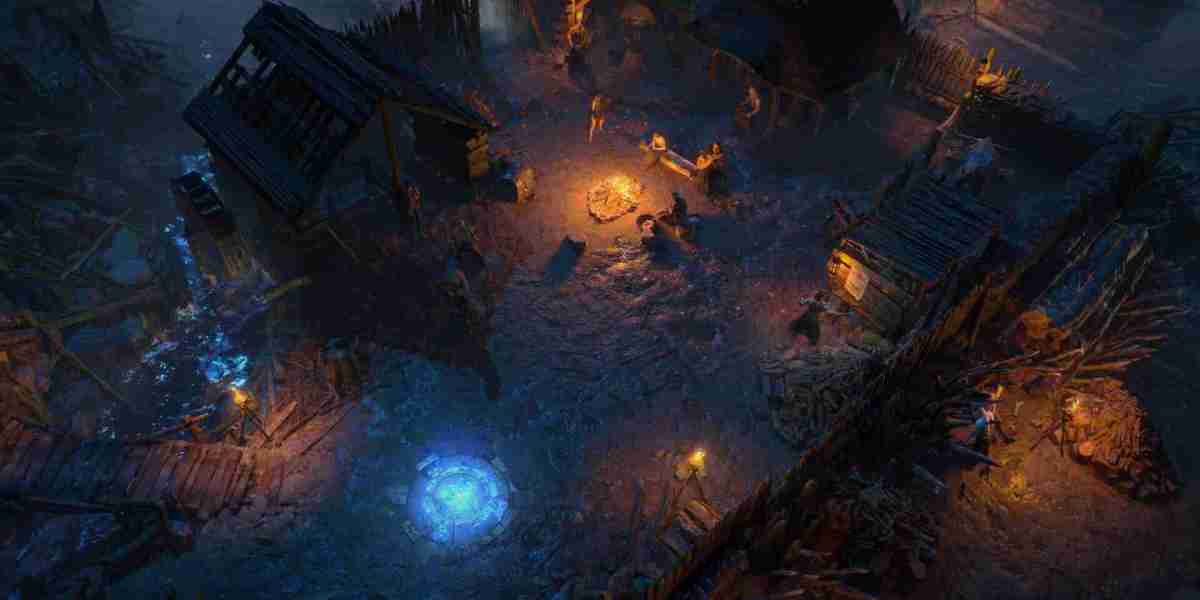

Path of Exile 2 invites players to make meaningful choices from the first hours of a new league, and a careful approach to POE 2 Orbs can make those choices far less stressful. Early resources are not merely trophies; they shape item upgrades, map readiness, and the pace of character growth.
The strongest economy habits usually come from patience rather than constant trading. A player who understands which items deserve attention, which materials should be saved, and when to improve equipment can progress with fewer costly detours.
Start With Equipment That Solves a Real Problem
During the campaign, an item should earn its cost by fixing an immediate weakness. Resistances, life, movement speed, and a useful weapon upgrade often matter more than ambitious crafting plans. If an item only offers a minor improvement, it is usually better to continue playing and wait for a clearer opportunity.
Keep an eye on the relationship between your current gear and the content ahead. A character that clears quickly but falls to elemental damage needs defense first, while a durable character with slow clear speed may benefit more from offensive modifiers. This simple priority check prevents resources from disappearing into upgrades that do not change the actual experience.
Build a Simple Routine for Valuable Drops
Not every rare item deserves a long inspection. Set practical rules for what you collect: bases that fit popular character archetypes, gear with several desirable modifiers, and materials with steady demand. A consistent routine keeps inventory management from interrupting the flow of maps.
It also helps to separate items into three groups: immediate upgrades, possible trade pieces, and items that can be converted into useful materials. This approach makes stash organization easier and gives each session a clear purpose.
Keep upgrades that directly improve your next content goal.
Store broadly useful materials in clearly labeled stash sections.
Review potential trade items after a mapping session, not after every drop.
Players often gain more from completing several maps smoothly than from stopping repeatedly to evaluate low-value loot. Speed, consistency, and clear inventory habits create a healthier supply over time.
Trade With a Clear Price Range in Mind
Before listing an item, compare it with similar pieces that share the most important modifiers, item level, and base type. The goal is not to find a perfect price; it is to choose a reasonable range that reflects current demand. Listings that are easy for other players to understand tend to move more reliably.
When buying, decide whether the purchase supports a short-term goal or a lasting improvement. A modest ring that completes resistance requirements may be worth more than an expensive damage piece that changes little. Good purchases solve a specific issue and let you return to content quickly.
Let Long-Term Goals Guide Each Session
A healthy resource plan gives every activity a destination. You might be preparing for a difficult boss, improving map clear speed, or assembling a more specialized equipment set. Write down one main target and one smaller target before you begin, then measure gains against those aims.
As your character develops, the value of Path of Exile 2 Orbs becomes clearer when each resource supports a deliberate next step rather than an impulse, helping every successful run feel worthwhile.

популярные посты
-
 Preimplantation Genetic Testing Market Trends Report: Navigating the Future of Digital Healthcare
От Ash007
Preimplantation Genetic Testing Market Trends Report: Navigating the Future of Digital Healthcare
От Ash007 -
 Şişli Su Tesisatçısı
-
 1Win Free Code: 1WIN2026VIP - Welcome Rewards
От ginevak735
1Win Free Code: 1WIN2026VIP - Welcome Rewards
От ginevak735 -
 The latest and best social network experience is WhaUp!
От admin
The latest and best social network experience is WhaUp!
От admin -
 Промокод 1XVIP1X Сегодня Для 1xBet
От ginevak735
Промокод 1XVIP1X Сегодня Для 1xBet
От ginevak735


