
Understand the Reason for the Breakdown
A truck can stop unexpectedly because of engine trouble, a flat tire, overheating, electrical failure, or accident damage. Before arranging transportation, consider whether the vehicle can move safely under its own power. Driving a truck with serious mechanical or structural problems may make the situation worse. Understanding the reason for the breakdown also helps you provide useful information when requesting assistance.
Keep the Area Safe
After a breakdown, focus on protecting yourself, passengers, and nearby road users. Turn on the hazard lights and move the truck away from active traffic if it can be done safely. Avoid standing behind the vehicle or walking close to passing traffic. If the truck cannot be moved, stay in a secure location while waiting for assistance. A safe area also gives the operator enough room to work around the vehicle.
Describe the Truck's Condition
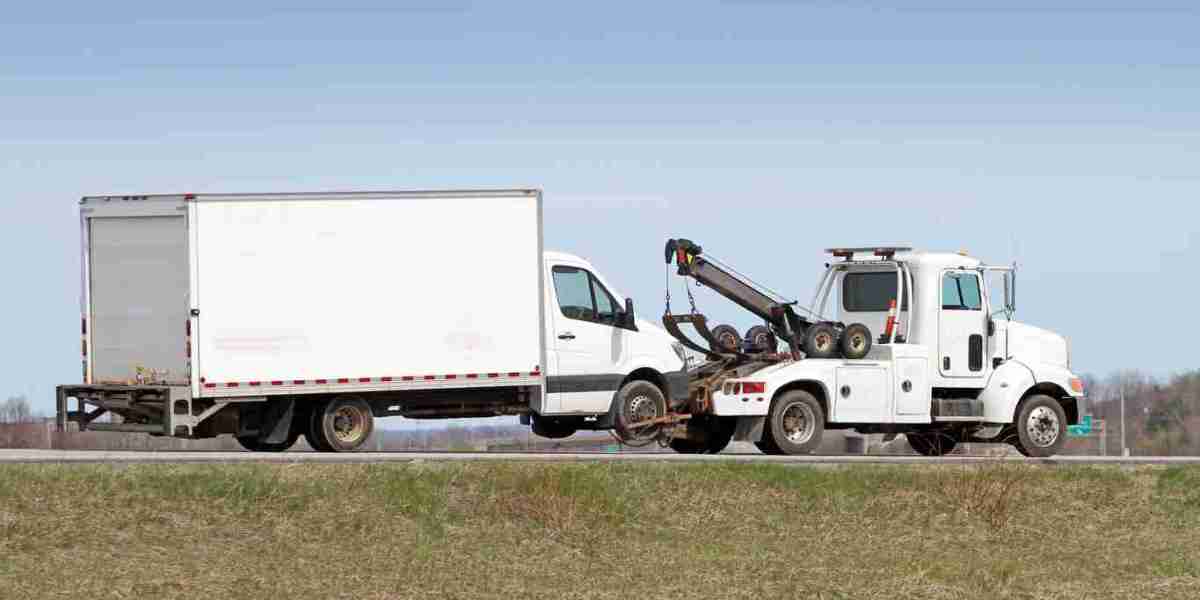
Provide an accurate explanation of the truck's condition when requesting help. Mention whether the engine starts, the wheels roll, or visible damage affects the vehicle. Tell the operator about flat tires, locked wheels, damaged axles, steering problems, or collision damage. Truck Towing Services in Portland OR can be handled more efficiently when the operator receives complete details before arriving at the location.
Share Size and Weight Information
Truck size can affect the equipment and handling required for transportation. Provide the make, model, approximate weight, and truck type when possible. If the vehicle carries cargo, mention that information as well. A loaded truck may require different planning from an empty vehicle. Accurate details allow the operator to prepare appropriately and reduce the chance of equipment problems at the scene.
Give Clear Location Details
A precise location helps the operator reach the disabled truck without unnecessary delays. Provide the street name, direction of travel, nearby intersection, highway exit, or recognizable landmark. If the truck is inside a business property or parking area, explain which entrance provides access. Large vehicles can be difficult to locate, so detailed directions can make the response much more efficient.
Mention Difficult Access
The surrounding area can affect how a truck gets loaded and transported. Narrow roads, low bridges, tight parking spaces, gates, construction areas, and blocked entrances may create challenges. Tell the operator about these conditions before assistance arrives. Sharing access information allows the recovery team to consider the available space and prepare for a safer approach.
Ask About Service Charges
Discuss the expected cost before authorizing transportation. Charges may vary according to distance, truck size, location, equipment requirements, recovery difficulty, or storage. Ask what the quoted price includes and whether additional fees could apply. Clear communication about costs helps avoid misunderstandings. Keep the final receipt or invoice for your records after the service is completed.
Protect Tools and Cargo
Many trucks contain work tools, equipment, documents, or business materials. Check the vehicle when it is safe and secure loose items before transportation. Remove valuable personal belongings whenever practical. If the truck cannot be opened safely, tell the operator about important items inside. Sharing this information can help the team take reasonable precautions during loading and transportation.
Record Existing Damage
Photographs can provide a useful record of the truck's condition before it moves. When safe, photograph visible damage to the body, tires, lights, windows, or other components. Take several clear pictures from reasonable angles. Never enter traffic or an unsafe area to obtain photographs. A simple record can help you identify what damage already existed before transportation.
Confirm the Destination
Decide where the truck needs to go before the recovery begins. The destination could be a repair facility, company property, storage location, or another suitable address. Provide complete directions and mention any access instructions. Towing Services in Portland OR can help relocate a disabled truck, but confirming the destination beforehand keeps communication clear and prevents avoidable delays.
Keep Communication Available
Truck recovery may involve drivers, business owners, fleet managers, or dispatchers. Keep your phone available in case the operator needs additional information about the vehicle or destination. If another person is responsible for the truck, make sure they receive the relevant updates. Clear communication helps everyone understand the recovery process and reduces repeated calls.
Prepare for Future Problems
Regular maintenance can reduce the risk of unexpected truck failures. Follow the vehicle's maintenance schedule and pay attention to tires, brakes, battery condition, fluid levels, lights, and unusual sounds. Keep emergency contact information available for drivers. Preparation cannot eliminate every breakdown, but it can help drivers respond more quickly and make better decisions when problems occur.
Keep the Recovery Organized
A disabled truck can disrupt work and travel, but a clear approach can make the situation easier to manage. Prioritize safety, explain the vehicle's condition, provide accurate location information, discuss costs, protect valuable belongings, and confirm the final destination. These simple steps can reduce confusion and support a smoother transportation process from the initial breakdown through the vehicle's arrival.