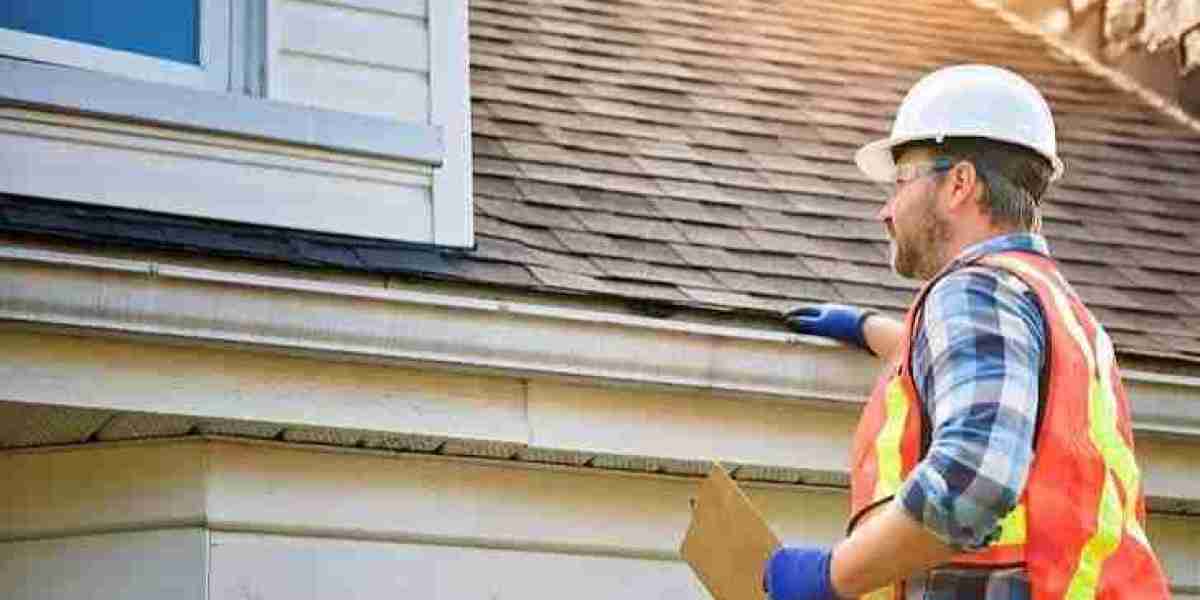

When a professional arrives to inspect your roof, they are doing much more than a quick visual check. A detailed roofing estimation is designed to uncover existing damage, predict future problems, and calculate the true cost of repair or replacement. This process helps homeowners, contractors, and property managers make informed decisions instead of guessing based on surface-level signs.
Evaluating the Overall Roof Structure
The first thing an inspector does is assess the structure of the roof itself. They look for sagging sections, uneven planes, and misaligned ridges that could signal structural issues. During this stage, specialists such as those from Estimating Florida collect measurements and material data that will later feed into their roofing estimating services to produce accurate project budgets.
Identifying Visible Damage and Wear
Next, the focus shifts to surface damage. The inspector checks for missing, cracked, or curling shingles, worn granules, rusted panels, and loose fasteners. Every defect has a cost implication, so documenting them carefully allows for a more precise roofing estimation that reflects real conditions instead of generic price ranges.
Measuring for Materials and Labor Requirements
A critical part of the inspection is gathering the numbers: roof area, pitch, waste factors, and material types. Modern roofing takeoff services use this data to calculate exact quantities of shingles, underlayment, flashing, nails, and accessories. A correct takeoff prevents overspending on excess materials and avoids delays caused by under-ordering.
Checking Flashing, Valleys, and Penetrations
Some of the most leak-prone areas on a roof are around chimneys, skylights, vents, and where roof planes meet. Inspectors carefully review metal flashing, sealants, and valley construction, looking for gaps, corrosion, or poor workmanship. A skilled roofing estimator knows that problems here often lead to hidden water damage in walls and ceilings, which must be budgeted into the overall project cost.
Inspecting Gutters, Edges, and Drainage
Effective water management is essential for roof longevity. During inspection, the condition of gutters, downspouts, drip edges, and fascia boards is examined. Clogs, improper slopes, or missing components can cause water to back up under shingles and into the structure. When you search for roofing estimating services near me, look for providers who include drainage and edge details in their written reports, not just the main roof field.
Evaluating Underlayment and Ventilation
If access allows, inspectors look at the underlayment condition and attic or roof ventilation. Poor ventilation can shorten the life of roofing materials and contribute to mold and moisture issues. Companies like Estimating Florida factor this into their roofing takeoff services by including replacement underlayment, vents, and related components in their quantity calculations rather than treating them as afterthoughts.
Why Professional Estimating Matters
A thorough inspection combined with professional estimating doesn’t just generate a number; it creates a roadmap for the entire roofing project. By using detailed site findings and translating them into clear cost breakdowns through specialized roofing estimating services, firms like Estimating Florida help property owners avoid surprise expenses, change orders, and unnecessary upgrades while ensuring the roof is repaired or replaced to a high standard.