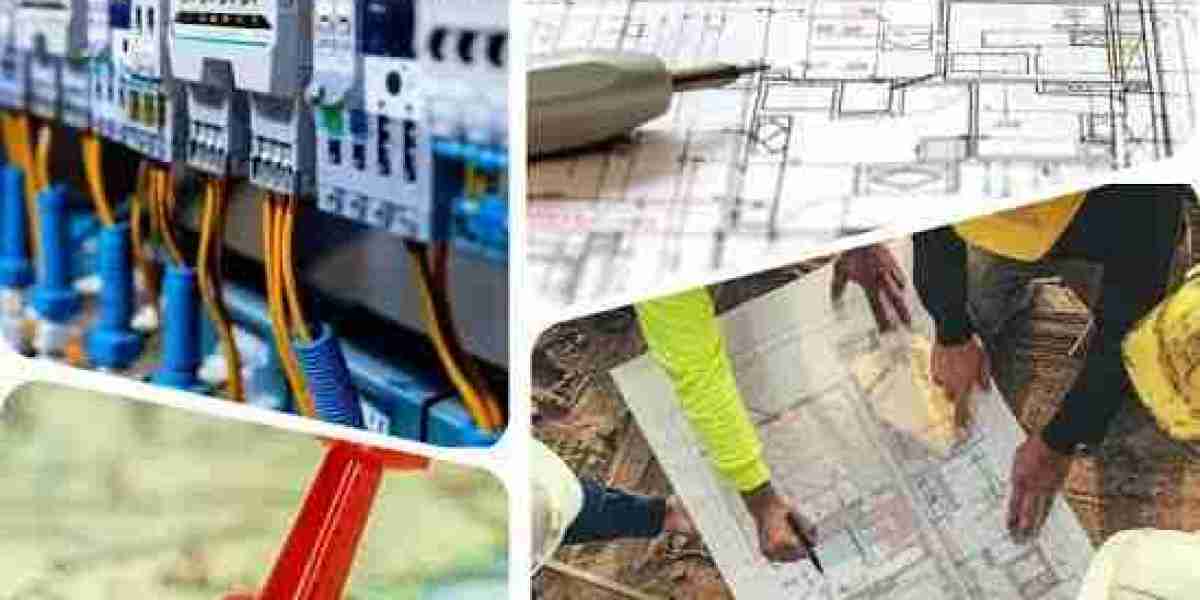

Design-build projects move fast: scope evolves, schedules compress, and pricing decisions must happen before every detail is drawn. That pace can be an advantage—if your team has clear, defensible numbers at each milestone. At MEP Estimating, we support design-build contractors, developers, and electrical subcontractors with estimating workflows built for collaboration, speed, and change.
Why design-build teams need estimates that can keep up
In design-build, the estimate isn’t a one-time exercise—it’s a living model that guides design decisions, procurement timing, and risk allocation. Electrical estimating services help teams validate budgets early, align expectations with owners, and avoid costly redesigns when the project is already underway. The best estimates also document assumptions clearly, so everyone understands what’s included, what’s excluded, and what still needs confirmation as drawings develop.
Turning partial drawings into confident quantities
Concept plans, single-lines, and reflected ceiling layouts often arrive in pieces, and design updates can happen weekly (or daily). That’s where disciplined quantity development matters most. With electrical takeoff services, design-build teams can quantify devices, lighting, feeders, conduit, supports, and distribution components using consistent rules—then quickly reconcile deltas when revisions arrive. This approach helps maintain cost control while the design is still flexible enough to optimise.
Estimating support across each project phase
A strong design-build estimating partner should scale with the project—from conceptual ROM budgets to bid-ready pricing and final closeout comparisons. At MEP Estimating, our process is structured around repeatable checkpoints that keep pricing aligned with the latest design intent.
Typical phase-based support includes:
- Conceptual budgeting: early cost models based on benchmarks and preliminary scope
- Schematic refinement: system-by-system validation with clarified assumptions
- Design development updates: iterative pricing with revision tracking
- Preconstruction/GMP: scope levelling, alternates, and risk allowances
- Bid support: subcontractor comparisons and scope gap reviews
What a design-build-ready deliverable should include
A “number” alone isn’t enough for design-build. Teams need an estimate that communicates scope clearly and can be audited, adjusted, and negotiated.
High-utility deliverables often include:
- A detailed scope narrative (inclusions/exclusions and clarifications)
- Line-item pricing by system, area, or phase
- Assumption and allowance logs for incomplete design
- Alternates and options to support value engineering
- Labour units and productivity notes aligned to project constraints
- Material summaries to support early procurement planning
Collaboration that reduces change orders and rework
Design-build works best when estimating is integrated with coordination—not treated as an afterthought. An experienced electrical estimating company can interface with architects, engineers, and construction teams to flag constructability concerns, identify missing scope, and recommend value-driven substitutions before they become field changes. That collaboration also supports smoother buyouts by producing consistent bid packages and levelling subcontractor quotes against a defined scope baseline.
Choosing the right partner when time is tight
Many teams start their search with “Electrical Estimating Services near me” because responsiveness matters—especially when deadlines shift and addenda hit late. While proximity can help, what matters more is having a partner with disciplined turnaround times, clear communication, and the ability to handle rapid revision cycles without losing version control. Look for a team that can join coordination calls, respond quickly to scope questions, and provide estimates that your stakeholders can trust.
Final thoughts
Design-build success depends on decisions made early—often with incomplete information. MEP estimating helps teams move forward with structured assumptions, transparent quantities, and estimate packages that support real collaboration. If you want fewer surprises, faster pricing updates, and clearer scope alignment from concept through GMP, the right estimating workflow makes all the difference.