
Refrigerant Accessories selection should begin with the actual tasks technicians perform during installation, maintenance, charging, testing, and repair work. Buyers should examine connection standards, pressure requirements, material construction, seal design, compatibility, temperature conditions, handling requirements, and maintenance needs before placing an order. A suitable component should correspond with existing service equipment and the conditions in which technicians normally work.
Define The Intended Application
Before comparing products, technicians should identify where each component will be used.
Automotive air conditioning, commercial cooling equipment, workshop maintenance, and installation projects can involve different connection requirements. A fitting that works for one application may not correspond with another.
Buyers should prepare basic information about the system, connection type, expected pressure, working temperature, and service procedure.
Starting with the application can make product comparison more organized and reduce the possibility of selecting a component based only on appearance.
Check Connection Compatibility
Connection compatibility deserves careful attention before purchasing.
Technicians may encounter different thread standards, connector sizes, valve configurations, and coupling formats. Components that look similar can still have different specifications.
Buyers should confirm dimensions, thread type, connection method, and intended equipment before ordering.
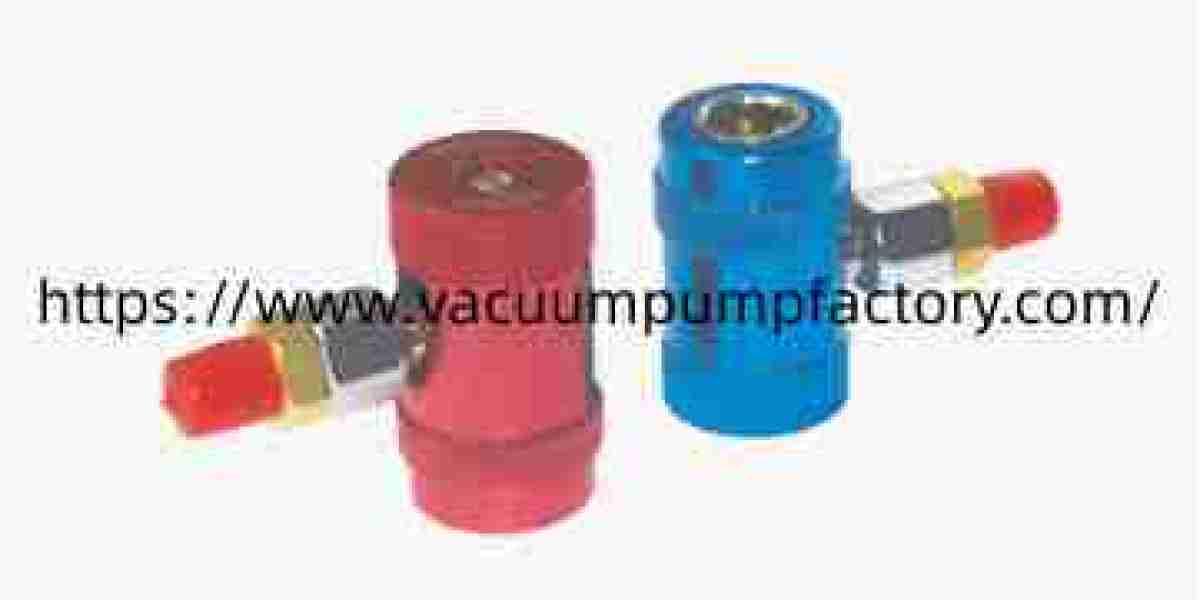
For automotive applications, vacuumpumpfactory offers quick coupler adapters and quick-connect sets designed for service connections.
Checking these details in advance can help prevent fitting problems during field operations.
Review Working Pressure
Pressure requirements can vary between systems and service procedures.
A component should be selected according to the pressure range specified for its intended application. Buyers should review product documentation rather than assuming that similar-looking fittings have identical operating limits.
Hoses, valves, couplers, and other connection components may each have different pressure specifications.
Technicians should also consider pressure changes during testing, evacuation, charging, and normal system operation.
Examine Material Construction
Material selection can influence suitability under repeated service conditions.
Metal fittings, seals, hoses, and valve bodies may encounter pressure changes, temperature variation, oils, moisture, and frequent connection or disconnection.
Buyers can ask about the materials used for the main body, seals, and contact surfaces.
For products used regularly, material information can help purchasing teams compare expected working conditions with manufacturer specifications.
Inspect Seals And Gaskets
A connection depends partly on suitable sealing components.
Worn, damaged, incorrectly sized, or incompatible seals can contribute to leakage and make service work more difficult.
Technicians should inspect O-rings, gaskets, sealing surfaces, and connection points before use.
Buyers should also check whether replacement sealing components are available. A clear replacement plan can help workshops maintain equipment without replacing an entire assembly because of one worn component.
Consider Quick Connection Requirements
Some service procedures involve repeated connection and disconnection.
Quick-connect designs can be useful when technicians frequently move between systems and service equipment. The locking mechanism, release method, connection size, and sealing structure should all be reviewed.
Before purchasing, technicians should determine whether the connection process fits their normal workflow and whether operators can use it correctly.
Ease of operation can be particularly relevant when several connections are handled during a busy service visit.
Check Compatibility Across Equipment
Service teams often use several pieces of equipment during one job.
A fitting may need to connect with a hose, gauge set, charging equipment, testing equipment, or another service component. Purchasing one item without checking the complete setup can create an unexpected mismatch.
Buyers should therefore create a compatibility list covering the equipment already used in the workshop.
For distributors, this information can also help organize product recommendations around specific customer applications.
Review Temperature Conditions
Service components may encounter different temperatures depending on the application.
Materials and seals should correspond with the temperature range stated by the manufacturer. Buyers should pay attention to conditions expected during evacuation, charging, testing, and normal operation.
Technicians working outdoors may experience wider ambient temperature changes than those working inside controlled workshops.
Reviewing these conditions before purchasing can help buyers select configurations appropriate for their intended environment.
Examine Valve Operation
Valves are commonly used to control access and flow during service procedures.
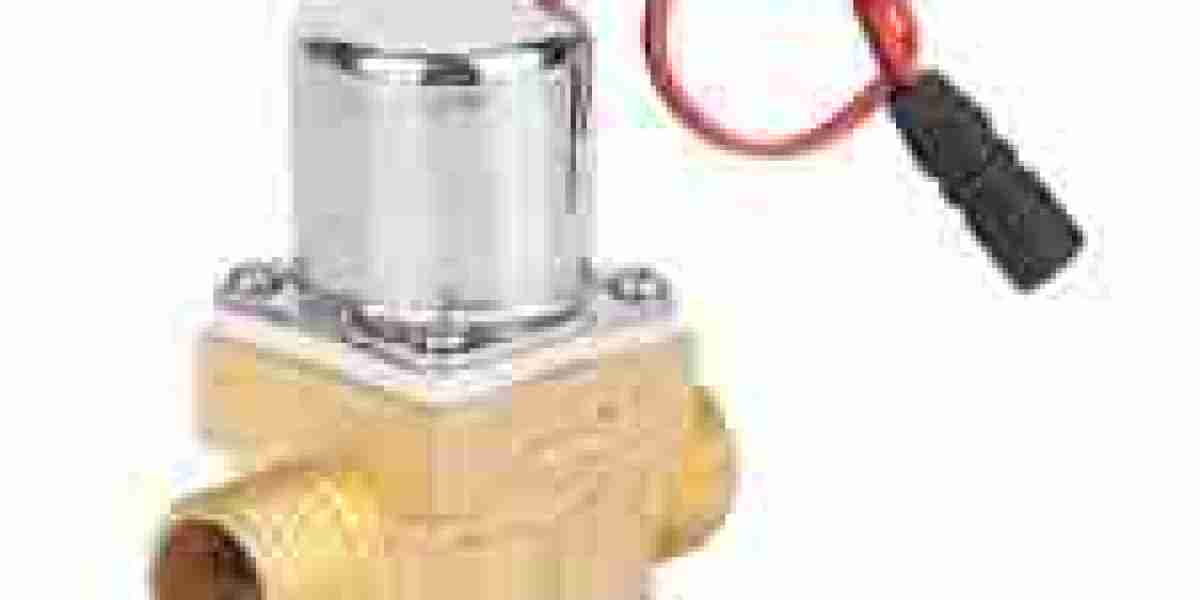
Before selecting a valve, technicians can examine handle design, connection type, operating method, sealing structure, and intended pressure range.
A charging valve may have different requirements from a component designed primarily for connection or isolation.
Buyers should match valve function with the specific procedure rather than treating different valve designs as interchangeable.
Check Container Connection Requirements
Some service applications involve connecting directly to cylinders or other containers.
In these situations, the connector or opener should correspond with the container configuration being used.
The product range from vacuumpumpfactory includes bottle opener designs and bottle tap components for different service applications.
Before ordering, buyers should confirm the container type, valve arrangement, thread specification, and intended operating procedure.
Evaluate Ease Of Handling
Technicians may perform service work in confined equipment rooms, vehicles, workshops, or outdoor locations.
A component can be technically compatible while still being inconvenient if its handle, release mechanism, size, or weight does not suit the working environment.
Buyers should consider how operators will carry, connect, disconnect, store, and inspect each component.
Handling requirements should be evaluated before purchasing equipment for frequent field use.
Inspect Hoses And Connection Paths
Hoses are another important part of a service setup.
Technicians should examine hose length, flexibility, connection type, pressure requirements, and visible condition.
A hose that is too short may restrict positioning, while excessive length can make organization more difficult.
Before use, operators should inspect hoses for cracking, deformation, damaged fittings, or other visible issues.
Regular inspection can become part of a workshop maintenance routine.
Compare Product Specifications
Product descriptions should be compared against the actual application.
Buyers can review dimensions, materials, connection standards, pressure information, compatible systems, available configurations, and included components.
The vacuumpumpfactory product range includes quick coupler adapters, adjustable automotive couplers, charging valves, bottle-related valves, and other service components.
This variety means buyers should identify the specific function required before selecting an individual model.
Consider Replacement Parts
Service components are used repeatedly, so replacement planning can matter.
Seals, gaskets, hoses, connectors, and other small parts may eventually require inspection or replacement depending on usage.
Before placing an order, distributors and workshops can ask whether replacement components are available and whether they can be purchased separately.
This approach can make long-term equipment management easier to organize.
Review Quality Inspection
For professional buyers, supplier quality procedures deserve attention alongside product specifications.
Purchasing teams can ask about incoming material inspection, production checks, dimensional verification, sealing tests, pressure testing where applicable, and final inspection.
These questions can be relevant for distributors purchasing multiple units for resale.
A clear inspection process can also help buyers understand how products are evaluated before shipment.
Think About Packaging And Storage
Small components can be easy to misplace when several technicians share a workshop.
Packaging, protective cases, labeling, and storage arrangements can therefore influence daily convenience.
Buyers should consider how components will be transported and organized after delivery.
For distributors, packaging information can also matter when products are shipped through different markets or included in service kits.
Evaluate Supplier Communication
For larger orders, communication can be as important as the individual component.
Buyers may need technical drawings, specifications, packaging information, configuration options, samples, or customized connection requirements.
vacuumpumpfactory provides service components and related equipment for professional buyers. Discussing the intended application before ordering can help both parties clarify technical specifications, packaging needs, and purchasing requirements.
Test Samples Before Bulk Purchasing
A sample evaluation can reveal practical details that a specification sheet does not fully show.
Technicians can check connection fit, locking action, seal behavior, handling, hose flexibility, valve operation, and compatibility with existing equipment.
For distributors, sample testing can also help determine whether a product configuration matches customer expectations.
Testing should follow the manufacturers operating instructions and should be performed under conditions representative of normal service work.
Build A Practical Selection Checklist
Before placing an order, buyers can review several straightforward questions:
What system will the component serve?
Which connection standard is required?
What pressure range is expected?
What temperature conditions apply?
Which materials are suitable?
Are replacement seals available?
Does the component fit existing equipment?
How frequently will it be connected and disconnected?
What supporting items are required?
How should the component be stored?
What documentation is provided?
What supplier support is available?
Using a consistent checklist can make comparisons between different configurations easier and help purchasing teams focus on practical requirements.
Match Components To Real Workshop Needs
The appropriate selection depends on the actual service environment. A vehicle workshop may prioritize quick-connect solutions, while a commercial maintenance team may focus on valves, hoses, fittings, and connection compatibility across several types of equipment. For technicians, distributors, and project buyers seeking components for different service applications, vacuumpumpfactory provides product information and purchasing support. To review available configurations and discuss purchasing requirements, visit the official https://www.vacuumpumpfactory.com/ and compare components according to connection standards, pressure conditions, materials, working environment, maintenance needs, and existing service equipment.