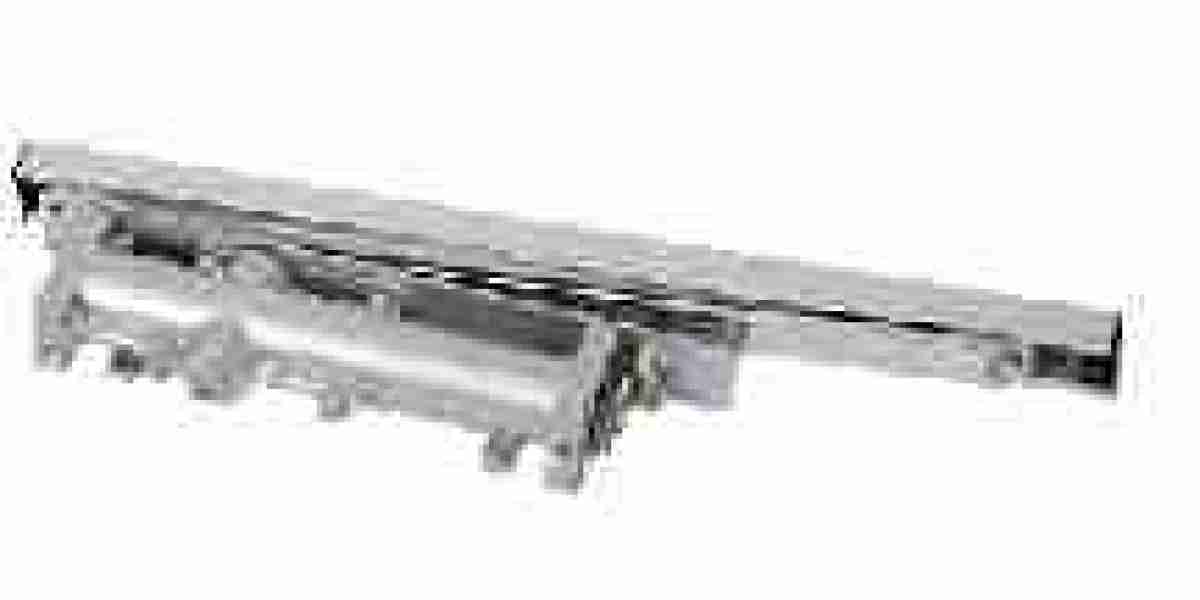

An overhead concealed closer for glass doors is designed to control the movement of a glass door while keeping the mechanism out of the main sightline. Although the finished installation can look simple, the closer has to work with the actual weight and structure of the glass panel. This makes weight verification one of the first details worth checking before specifying the hardware.
Glass thickness directly affects panel weight, but the calculation should not stop there. Pull handles, locks, patch fittings, and other hardware also add weight to the moving assembly. A closer with insufficient capacity may struggle to control the closing movement, while an unsuitable force setting can make the door close too aggressively or fail to reach the latch position correctly. Buyers should therefore compare the manufacturer's rated capacity with the complete door configuration.
Installation type also changes the requirements. A framed glass door provides a structural frame for mounting, while a frameless door depends more heavily on patch fittings and compatible hardware. When specifying an overhead concealed closer for glass doors for a frameless installation, buyers should confirm whether the closer is designed to work directly with the selected patch fitting system rather than assuming that a standard concealed closer will fit.
The top-mounted position is particularly useful in architectural applications. Keeping the mechanism inside the upper section of the door or header preserves a cleaner glass surface, which can be important in hotels, offices, retail entrances, and interior glass partitions. However, the concealed position also means that installation dimensions need to be established early because access for later modifications can be limited.
Testing should reflect the actual application as well. A closer tested only with a conventional timber door may not provide enough information about performance on a heavier glass panel. Buyers can ask for cycle testing, closing-speed verification, and weight-capacity data related specifically to glass door configurations.
The overhead concealed closer for glass doors also needs to maintain consistent hydraulic performance over repeated operation. Changes in closing speed, latching action, or spring response can become noticeable in high-traffic locations where the door cycles hundreds of times each day. Functional testing across repeated opening and closing cycles helps identify these variations before installation.
For larger architectural projects, consistency between different force ratings and mounting configurations becomes another practical concern. A supplier able to maintain the same basic operating characteristics across several glass door configurations can make specification and replacement work easier across multiple buildings.
Ultimately, selecting an overhead concealed closer for glass doors requires more than checking whether a product is described as suitable for glass. Actual panel weight, glass thickness, mounting method, concealed dimensions, hydraulic behavior, and cycle testing all influence whether the closer performs properly after installation.