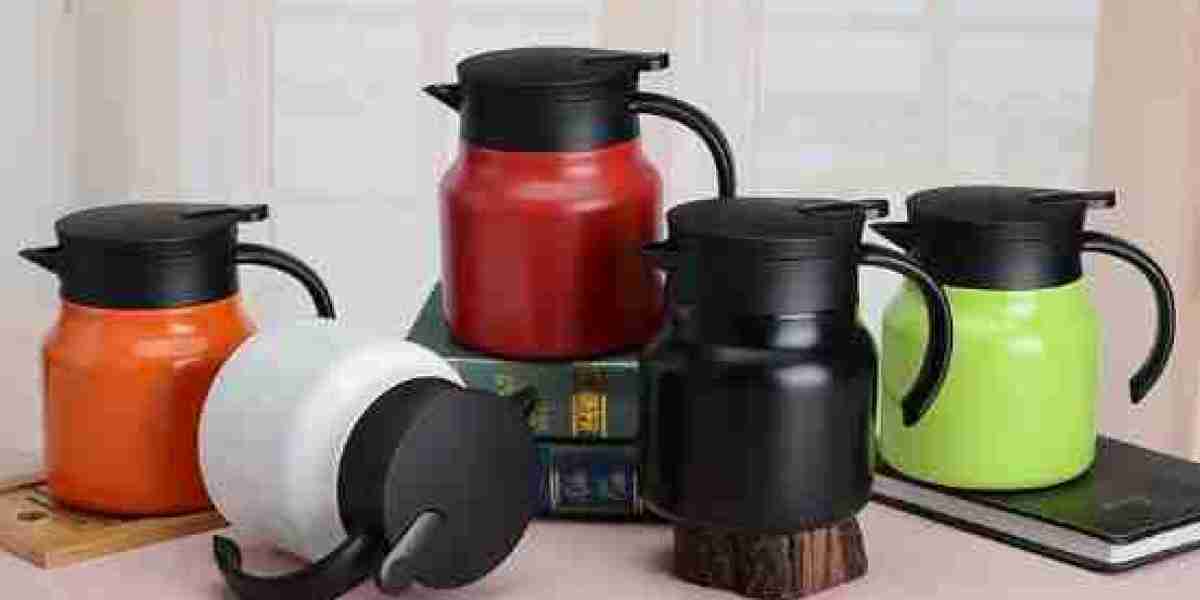

Braised Teapot Manufacturer support can help private label brands turn a cookware concept into a market ready product through coordinated design, material selection, customization, sample development, branding, production, inspection, packaging, and shipment planning. Private label projects often require more communication than standard purchasing because the buyer may have specific expectations for appearance, dimensions, colors, packaging, and customer positioning. Dingchuncup provides cookware solutions for brands and buyers working on customized kitchenware projects.
Start With The Brand Concept
Every private label project begins with a product concept.
The brand may already have a clear visual direction or may still be developing one. This can include preferred colors, surface finishes, handle styles, lid shapes, capacity, decorative details, and overall appearance.
A manufacturer can help translate these ideas into practical product specifications.
Before requesting a sample, the buyer should prepare as much information as possible. Reference images, sketches, dimensions, preferred materials, and target quantities can give the production team a better understanding of the project.
Select Materials According To The Application
Material choice influences appearance, handling, maintenance, and cooking use.
Private label buyers should consider how the cookware will be used and which material characteristics are appropriate for the intended market.
The product may need to fit household kitchens, hospitality settings, gift collections, or specialty retail channels.
Different material combinations can also affect the visual identity of the brand.
The buyer and manufacturer can compare available options before confirming the final construction.
This stage is important because changing materials later may affect dimensions, weight, surface treatment, and production procedures.
Develop A Distinct Appearance
Private label brands usually need a product that fits their own identity.
Customization can involve color, surface texture, decorative patterns, handle design, lid shape, or other visual details.
The product should also coordinate with the wider collection if the brand sells several types of cookware.
A consistent visual direction can make the collection easier to recognize.
Buyers can prepare artwork or reference images before sample development so the manufacturer has a clear design direction to follow.
Create And Review Samples
Sample development allows buyers to evaluate the actual product before larger production.
A physical sample can reveal details that drawings cannot fully communicate.
The buyer can review dimensions, weight, handle position, lid fit, surface appearance, decorative elements, and general usability.
Changes can then be discussed while the project is still in the development stage.
For a private label program, sample approval should be recorded clearly. This creates a common reference for future production and helps different teams understand what has been accepted.
Coordinate Branding Elements
Branding can appear on the product itself, packaging, labels, inserts, or other supporting materials.
The placement and size of a logo should be considered alongside the overall product design.
Private label buyers may also need specific colors, printed information, barcodes, labels, or retail presentation.
These details should be confirmed before manufacturing.
Artwork files should be reviewed carefully because changes after production begins may create additional work and affect the schedule.
Plan Packaging Around The Market
Packaging is part of the private label experience.
A retail product may require an individual box with brand graphics and product information. A wholesale project may use simpler cartons designed for efficient warehouse handling.
Buyers should define the intended sales channel before confirming the packaging structure.
The manufacturer can then coordinate product dimensions, internal protection, labels, carton quantities, and outer presentation.
For international orders, buyers should also provide any market specific information required for packaging and documentation.
Discuss Order Quantities Early
Private label projects can involve different purchasing volumes.
A new brand may begin with a smaller trial order, while an established distributor may require recurring production.
Order quantities can influence material purchasing, production planning, packaging, and shipment arrangements.
Buyers should provide realistic expectations when discussing the project.
If future orders are expected, the manufacturer can also establish a product reference that makes repeat production easier to organize.
Keeping the same approved specifications can help maintain consistency across later orders.
Quality Inspection Should Follow Approved Details
Quality inspection should reflect the specifications agreed during development.
Relevant areas can include dimensions, surface appearance, assembly, lid fit, handle position, branding details, packaging, and other project related characteristics.
The approved sample can serve as a practical reference.
For customized orders, written specifications can also help inspection teams identify what needs to be checked.
Before shipment, buyers may discuss inspection procedures and any additional project requirements.
This provides a clearer process for both the manufacturer and brand owner.
Production Communication Matters
Private label projects involve several teams.
The brand owner may communicate with designers, purchasing staff, quality teams, marketing departments, and logistics providers.
The manufacturer also has engineering, production, inspection, packaging, and shipping personnel.
Clear documentation can connect all these teams.
Dingchuncup supports customized cookware projects by discussing product details, branding requirements, dimensions, packaging, quantities, and delivery arrangements.
A shared specification can reduce confusion when changes are introduced during development.
Support For Different Sales Channels
Private label cookware may be sold through online stores, retail shops, hospitality suppliers, distributors, gift programs, or other channels.
Each channel can have different expectations for presentation and product configuration.
An online retailer may focus on appearance and individual packaging. A distributor may prioritize carton quantities and warehouse handling.
A hospitality buyer may care more about practical use and repeated cleaning.
The product should therefore be developed according to the intended customer and sales environment.
Why Consider Dingchuncup
Dingchuncup provides cookware solutions for brands developing customized kitchenware collections.
Buyers can discuss product materials, dimensions, colors, surface treatments, branding, packaging, quantities, samples, inspection, and shipping requirements.
For retailers and distributors, this can help connect product development with customer expectations and sales plans.
For new brands, a clear production process can also make it easier to manage development from concept to finished goods.
Build A Practical Private Label Process
A well organized project can follow several stages.
First, define the market and customer. Next, confirm product structure and appearance. Then develop samples, approve branding details, finalize packaging, confirm quantities, organize production, complete inspection, and prepare shipment.
Each approved detail should be documented.
This helps prevent confusion when multiple versions or customized features are included.
The buyer should also maintain records of samples, specifications, artwork, and approved changes for future orders.
Private label cookware projects require coordination between product development and brand requirements.
Material selection, appearance, customization, samples, branding, packaging, quality inspection, production planning, and delivery all contribute to the final project.
Dingchuncup provides cookware solutions for customized brand projects and supports different product and packaging requirements.
Brands can review available cookware categories and related project options at https://www.dingchuncup.com/product/