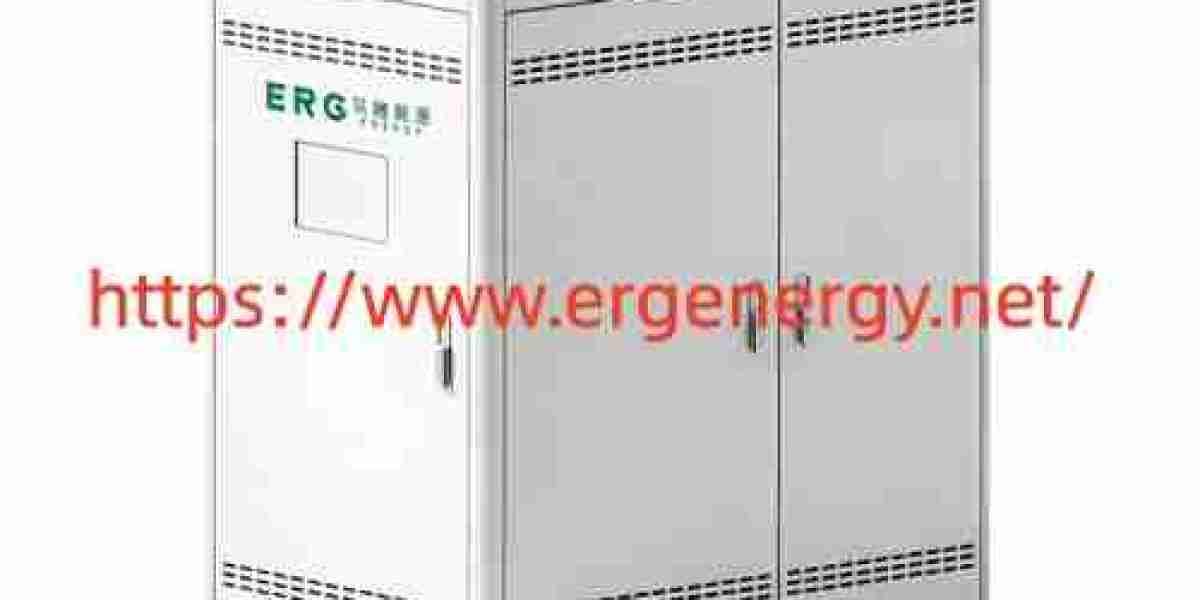

High-Capacity Vanadium Flow Battery Stacks appear in renewable power projects because they address core challenges of variable generation from solar and wind sources. These systems separate the rating for power delivery from the rating for stored energy so designers can size each part according to actual site needs. A larger tank volume extends discharge time while electrode area sets the instantaneous output level. This flexibility proves useful when evening peaks follow sunny afternoons or when wind drops for several hours.
Operators value the cycle life measured in tens of thousands of full charge and discharge events. The liquid electrolyte experiences minimal structural change during repeated use which means the active material retains function far longer than solid electrode designs. Replacement intervals stretch across decades and that lowers the frequency of major overhauls. In practice the same electrolyte can be refreshed or reused rather than discarded after a few thousand cycles.
Safety considerations also drive adoption. Aqueous solutions replace organic solvents so the risk of thermal runaway drops sharply. Many project specifications now require non flammable storage media especially near populated areas or critical infrastructure. Field data confirm stable behavior across wide temperature bands common in desert solar farms and coastal wind zones.
Cost evaluation over the full project life often favors this approach. Although initial outlay may exceed some alternatives the absence of frequent module swaps and the retained value of the electrolyte improve the lifetime calculation. Developers who model fifteen or twenty year horizons frequently find the numbers competitive once degradation rates and maintenance labor enter the spreadsheet.
Integration with existing plant equipment follows established pathways. Standard power conversion systems link the cell stacks to the grid while supervisory software manages charge windows based on forecast generation and price signals. Modular tank and cell packages allow staged installation so a project can begin with a smaller configuration and expand later without redesigning the entire layout. Pumps sensors and piping use industrial components that maintenance crews already understand.
In regions with rising shares of variable generation these units help keep supply and demand aligned. They absorb surplus midday solar output and release it during evening demand spikes. The same function applies to wind farms that produce strongly at night yet face lower prices or curtailment orders. By shifting energy across hours the technology reduces wasted generation and supports higher overall renewable penetration on the local network.
Ergenergy designs units with attention to durability and site adaptability. Configurations cover a range of power and duration targets so both utility scale plants and smaller hybrid installations can find matching options. Attention during manufacturing focuses on seal integrity electrode uniformity and electrolyte purity which together influence long term consistency.
Project experience shows that early engagement with storage requirements during the planning phase yields smoother permitting and interconnection. Teams that define duration targets and response times before finalizing generation capacity avoid later redesigns. Monitoring packages supply real time state of charge and health indicators that feed into plant control systems.
As more jurisdictions set targets for firm renewable supply the need for multi hour shifting grows. These systems meet that need without introducing new combustion sources or geographic constraints associated with other long duration options. Their quiet operation and modest footprint relative to energy delivered make them practical for sites already occupied by solar arrays or turbine foundations.
To review available models and technical specifications visit https://www.ergenergy.net/product/ where detailed configuration options support a range of renewable project requirements.