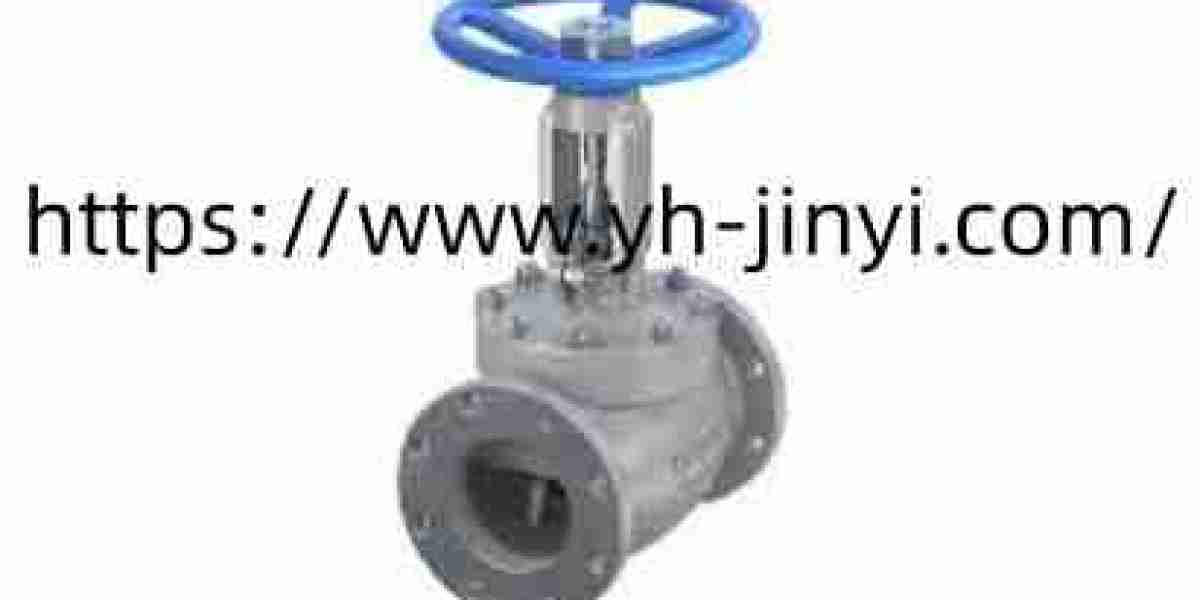

Jinyi Valve Factory products can attract industrial buyers who need practical flow control components for plumbing, HVAC, water management, and related applications. When choosing a supplier, buyers usually consider more than product appearance or purchase price. Material selection, manufacturing procedures, application compatibility, inspection practices, customization support, communication, and delivery coordination can all affect the overall sourcing decision. JINYI states that its product range includes brass, steel, stainless steel, and aluminum items, while its manufacturing activities cover several hardware categories and customized production services.
Material Selection for Different Applications
Material selection deserves careful attention because operating environments can vary considerably. Brass can be suitable for many plumbing applications, while stainless steel may be considered where corrosion resistance and environmental conditions require a different material approach. Steel and aluminum can also serve particular structural or installation requirements.
Buyers should review the working environment, fluid conditions, temperature range, pressure expectations, connection method, and installation location before confirming a material. This process helps prevent a mismatch between the selected component and the intended application.
JINYI reports that its manufacturing range covers steel, brass, stainless steel, and aluminum, giving buyers several material directions when discussing project requirements.
Manufacturing Control and Inspection
Production consistency matters when an order contains multiple units intended for the same project. Buyers may want information about incoming material inspection, production procedures, dimensional checks, assembly control, and finished product inspection.
A supplier with defined manufacturing procedures can make communication easier because quality expectations can be discussed before production begins. JINYI describes procedures involving raw material supplier screening, incoming material comparison and testing, production process control, and batch monitoring. The company also states that it has an internal testing laboratory and inspection equipment.
For importers, these details can be useful when creating purchasing specifications or coordinating quality checks with their own customers.
Product Range and Application Compatibility
Another consideration is whether a supplier can provide products suited to different installation scenarios. Industrial procurement frequently involves more than one component, so having access to related hardware can simplify communication and sourcing.
The company website lists several product categories alongside its flow control products, including pipe clamps, radiator brackets, floor drains, stainless steel manifold brackets, decoupling tanks, water meter brackets, and shower related hardware.
This broader manufacturing scope may be useful for buyers handling plumbing, HVAC, construction, and building service projects that involve several categories of hardware.
Customization and Technical Communication
Not every project can use an unchanged catalog item. Connection requirements, dimensions, handle arrangements, material preferences, packaging, or other details may differ between markets.
For this reason, buyers should communicate drawings, samples, application conditions, quantity expectations, and required changes before production. JINYI states that it can develop and produce products according to customer drawings or samples and provides customized design and production services.
Clear communication at this stage can reduce misunderstandings and make quotation, sampling, production, and inspection easier to coordinate.
Procurement Planning and Long Term Cooperation
Price remains relevant, but experienced buyers usually consider the complete purchasing process. They may compare material consistency, production capability, inspection procedures, customization support, communication efficiency, packaging, shipping arrangements, and after sales coordination.
For international buyers, export experience can also influence the sourcing decision. JINYI states that its products are exported to Europe, America, Japan, and other destinations, providing a background for discussions with overseas purchasers.
For project based procurement, the goal is not simply to purchase a component. It is to establish a practical supply arrangement that matches technical requirements and commercial expectations.
A Practical Approach for Buyers
A useful purchasing process can begin with the application, followed by material selection, connection requirements, quantity planning, inspection expectations, customization needs, and delivery arrangements. Buyers can then request drawings, samples, technical details, and quotations based on the same criteria.
For businesses evaluating Jinyi products, this approach provides a structured way to compare suitability without relying on a single purchasing factor. It also gives both sides a clearer understanding of the project before production begins.
For product categories and current sourcing options, buyers can continue reviewing the official product range at https://www.yh-jinyi.com/product/ and discuss application requirements directly with the manufacturer.