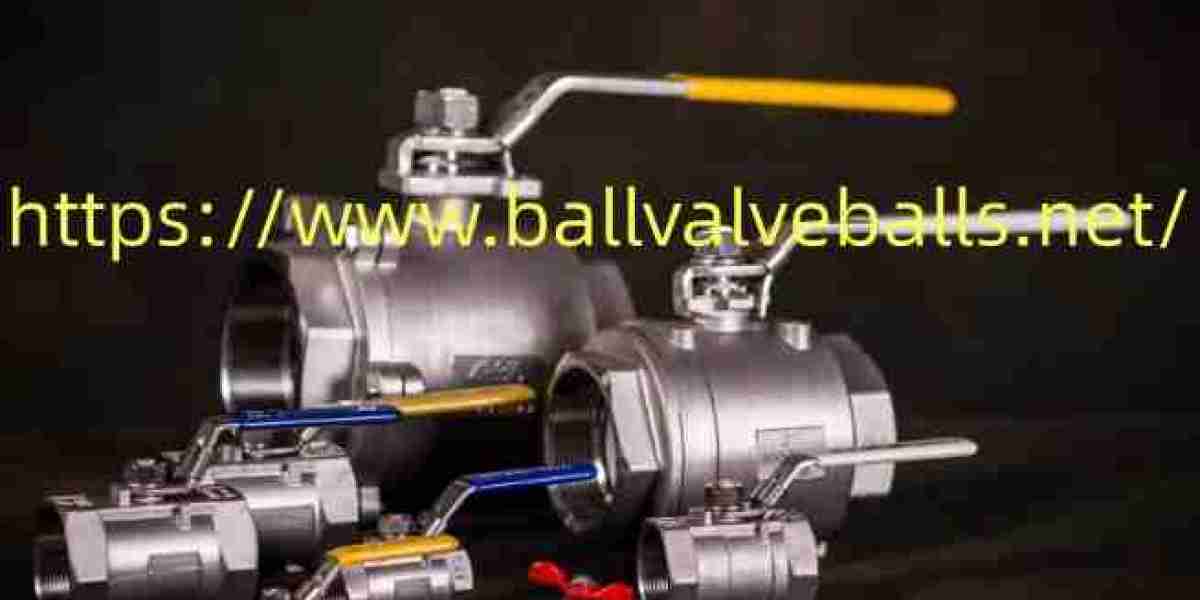

Ball Valve Accessories are supporting components used alongside industrial flow control equipment to assist with operation, installation, protection, maintenance, or automation. Depending on the equipment design, these items can include actuator mounting parts, locking devices, stem extensions, sealing kits, brackets, protective components, and other application specific elements. Their role is to complement the main assembly and help it function according to its intended application.
Why Supporting Components Matter
Industrial flow equipment rarely operates as an isolated component. It may need an actuator, a locking function, additional operating clearance, or replacement sealing elements during scheduled maintenance.
Actuator brackets can create a mechanical interface between an actuator and the operating stem. Locking devices can help restrict unintended movement. Stem extensions can position an operating point farther from the equipment body when the installation layout requires additional clearance.
This means buyers should consider the complete operating arrangement instead of selecting the primary flow control equipment alone.
Actuator Related Components
Automation is common in many industrial flow systems. Pneumatic, electric, and hydraulic actuators can provide remote or automated movement according to the application.
When an actuator is installed, suitable mounting hardware and connection components are required. A bracket or adapter must correspond with the equipment mounting pattern and actuator interface. The stem connection must also transfer the required rotational force without creating unnecessary mechanical stress.
Before purchasing these parts, engineers can confirm the equipment size, stem configuration, actuator type, mounting dimensions, operating torque, and available installation space.
A correctly matched interface allows the actuator and flow control equipment to operate as one mechanical assembly.
Locking And Safety Functions
Some installations require a method for preventing unintended operation. Locking devices can restrict movement of manually operated equipment when a particular operating position needs to remain unchanged.
The actual locking arrangement depends on the equipment design and project requirements. Buyers should consider whether the application requires a lockable handle, stem locking arrangement, or another method.
This can be useful when several flow control units are installed within the same process area. Clear operating arrangements can make inspection and maintenance procedures easier to organize.
Stem Extensions For Difficult Locations
Equipment placement is not always convenient for direct manual operation. Units may be installed behind insulation, inside restricted spaces, below platforms, or in locations where the standard operating point is difficult to reach.
A stem extension can relocate the operating interface while keeping the main assembly in its intended pipeline position. This arrangement can be useful when installation geometry creates additional distance between the equipment body and the operator.
The extension length, connection method, material, and operating requirements should match the original design. Dimensions should therefore be confirmed before ordering.
Sealing And Maintenance Kits
Sealing elements are another common category of supporting products. Depending on the construction, maintenance requirements may involve O rings, gaskets, packing elements, or other sealing parts.
These components need to match the equipment construction and process medium. Temperature, pressure, chemical compatibility, and dimensional requirements can influence material selection.
Some manufacturers provide replacement kits containing sealing components for specific product series. Buyers should avoid assuming that similarly sized seals are interchangeable because small dimensional differences can affect assembly and leakage control.
A clear maintenance plan can help purchasing teams identify replacement components before scheduled servicing.
Protection During Installation And Service
Industrial equipment may face dust, moisture, impact, temperature changes, or other environmental conditions. Protective components can help shield exposed interfaces or operating elements when the design permits their use.
Protective caps, covers, and similar parts can help protect selected connection areas. The appropriate solution depends on the environment and installation conditions.
A component suitable for an indoor installation may not be appropriate for an exposed outdoor process area. Buyers should therefore review environmental conditions before selecting protective parts.
Compatibility Should Guide Purchasing
When sourcing supporting components, compatibility should be checked at several levels.
First, the component should match the intended equipment series and dimensions. Second, its material should suit the operating environment. Third, its mechanical interface should correspond with connected equipment. Finally, the selected item should fit the installation and maintenance plan.
Buyers can prepare a specification sheet containing nominal size, pressure class, connection type, stem dimensions, operating method, temperature range, process medium, and environmental conditions.
Providing these details to a supplier can make technical discussions more efficient.
How Supporting Components Affect Maintenance
Maintenance teams often work under time and space constraints. Having suitable replacement and operating components available can make planned servicing easier to organize.
A maintenance program may include inspection of seals, actuator interfaces, locking mechanisms, stem connections, and other supporting elements. Inspection frequency should follow the equipment manufacturers recommendations and the actual operating environment.
Keeping records of replacement components can also help purchasing departments identify recurring requirements and avoid unnecessary substitutions between different product configurations.
Choosing A Suitable Supplier
For industrial buyers, supplier evaluation should include more than product availability. Technical communication, dimensional information, material documentation, production capability, and responses to application questions can all matter during procurement.
Ballvalveballs can support sourcing discussions involving spherical flow control components and related requirements. Buyers can provide information about their equipment configuration and intended application so component requirements can be reviewed according to the actual project.
This approach can be useful when a project includes multiple sizes or different operating arrangements because each configuration may require different supporting parts.
A Practical Approach To System Planning
Supporting components can contribute to installation, operation, maintenance, and automation. Their usefulness depends on compatibility with the main equipment, connected machinery, process conditions, and installation environment.
Rather than treating accessories as items added at the end of procurement, engineers can review them during the initial equipment selection process. This allows mounting, operation, sealing, protection, and maintenance requirements to be considered together.
For buyers reviewing component options for industrial flow projects, Ballvalveballs provides a practical starting point at https://www.ballvalveballs.net/