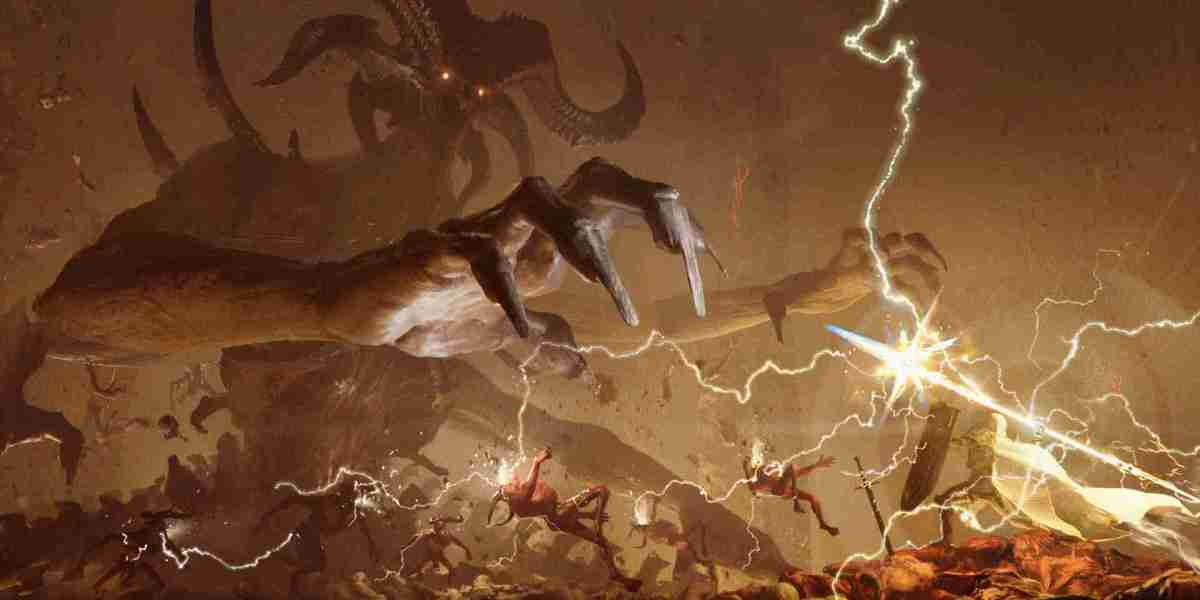

When I start pushing past level 70, Paragon Boards give me more control over how my character grows instead of forcing every player into the same route. I can chase damage, defense, resource control, or a balance between them, and smart upgrades to my Diablo 4 Items can change which nodes matter most. The system makes each build feel personal because small pathing decisions can shape how my character performs in Nightmare Dungeons, Helltides, and other endgame activities.
What Is This System?
Paragon Boards are the main progression system after level 70. I earn points through experience and Season Rank rewards, then spend them on connected nodes, Glyph sockets, rare bonuses, and powerful legendary effects.
Every board has a different layout, so my route can support a close-range brawler, a critical-hit build, or a safer defensive setup. The boards unlock in sequence, but I still have room to decide which nodes deserve attention first.
Early Board Unlocking
This approach suits players who want access to stronger boards quickly and prefer efficient long-term progression.
Some key points include.
• Save enough points to unlock the next board instead of filling every minor node.
• Follow the shortest useful route toward rare or legendary nodes.
• Avoid spending heavily on bonuses that don't support your current damage plan.
Reaching a better board earlier can provide a larger power spike than collecting several low-impact nodes on the starting board.
Glyph-Focused Progression
This route is best for players whose build relies on Glyph bonuses and wants its main multiplier active as soon as possible.
Some key points include.
• Place your strongest Glyph in the socket with the most useful nearby attributes.
• Level Glyphs alongside normal Paragon farming rather than waiting until the endgame peak.
• Build enough surrounding stats to activate bonus effects without taking inefficient detours.
A well-positioned Glyph can improve several parts of a build at once, especially when its radius reaches valuable strength, intelligence, or willpower nodes.
Adaptive Respec Planning
This option fits players who regularly change gear, skills, or damage types and don't want to remain locked into an outdated route.
Some key points include.
• Recheck your boards after finding a major unique, legendary item, or skill upgrade.
• Replace defensive paths when your gear already covers the same weakness.
• Shift toward a new legendary node when it gives a meaningful multiplier to your primary damage type.
Respeccing costs resources, but correcting an inefficient path can noticeably improve clear speed and survivability.
Which Option Should You Choose?
Early board unlocking is strongest for steady progression, Glyph-focused planning is ideal for builds with powerful socket bonuses, and adaptive respecs help players who experiment often. If your character already feels stable, prioritize the board and Glyph that directly improve its main skill; if your gear is changing constantly, keep the route flexible and avoid unnecessary detours. When gathering upgrade materials or visiting the Diablo IV Gold for sale, check your next Paragon milestone too, because consistent planning usually gives the best gains across the entire endgame.



Messages populaires
-
 Preimplantation Genetic Testing Market Trends Report: Navigating the Future of Digital Healthcare
Par Ash007
Preimplantation Genetic Testing Market Trends Report: Navigating the Future of Digital Healthcare
Par Ash007 -
 Şişli Su Tesisatçısı
Par ustaelektrikci
Şişli Su Tesisatçısı
Par ustaelektrikci -
 1Win Free Code: 1WIN2026VIP - Welcome Rewards
Par ginevak735
1Win Free Code: 1WIN2026VIP - Welcome Rewards
Par ginevak735 -
 The latest and best social network experience is WhaUp!
Par admin
The latest and best social network experience is WhaUp!
Par admin -
 How to Farm Gold in WoW Sod
Par harik63988
How to Farm Gold in WoW Sod
Par harik63988


