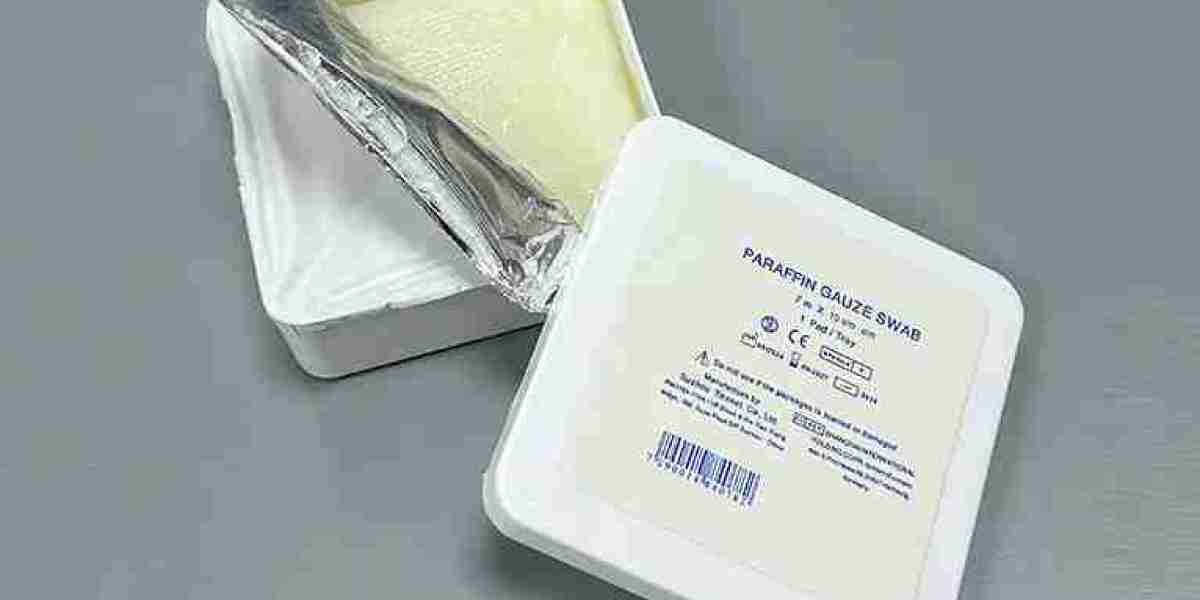

When buyers need dependable wound-care products for hospitals, clinics, pharmacies, distributors, and everyday first-aid applications, choosing the right Bandage Manufacturer can have a direct influence on product consistency, packaging, customization, and supply stability. A professional Bandage Manufacturer should understand that different users may require different sizes, materials, adhesive properties, packaging formats, and application methods. For importers and distributors, supplier selection is not only about the appearance of a finished bandage. Production standards, material management, quality inspection, order flexibility, and delivery coordination are also important factors. A clear understanding of these details can make sourcing easier and help buyers select products that fit their target markets.
Understanding Different Bandage Requirements
Bandages are available in many forms because wound-care situations are not all the same. Some products are designed for small everyday injuries, while others may be intended for larger areas or specific applications. Buyers should first identify the intended use before discussing product specifications with a supplier.
Size is one of the simplest considerations. Different users may need narrow strips, wider coverings, or specially shaped products. The dimensions should be selected according to the intended application and packaging requirements.
Material selection also deserves attention. Backing materials can influence flexibility, breathability, and comfort, while the adhesive needs to provide suitable attachment without creating unnecessary discomfort during removal. The absorbent pad should also be appropriate for the intended product type.
For distributors, offering several formats can make it easier to meet the needs of different customers. A supplier capable of supporting various specifications can therefore be useful when building a broader product range.
Materials and Production Consistency
Consistent materials are important when producing wound-care products in large quantities. Differences in adhesive performance, backing texture, pad placement, or dimensions can affect the user's experience and make quality control more difficult.
A structured production process can help maintain consistency from one batch to another. Raw materials should be checked before entering production, while finished products can be inspected for dimensions, appearance, packaging, and other agreed specifications.
Storage conditions should also be considered. Materials used during production may have particular requirements related to temperature, humidity, cleanliness, or handling. Maintaining suitable storage conditions can help protect material characteristics before manufacturing begins.
For international buyers, product documentation is another useful consideration. Clear specifications allow purchasers to compare samples with later production batches and communicate requirements more accurately with their supplier.
Sztexnet Manufacturing Considerations
A reliable supplier relationship depends on clear communication from the beginning. Buyers should provide information about product dimensions, materials, adhesive preferences, packaging, labeling, order quantities, and other requirements before production starts.
Customization may be important for distributors and private-label businesses. Packaging design, product sizes, individual wrapping, cartons, and labeling can all influence how the finished product is presented in different markets.
Production capacity is another factor worth reviewing. A supplier should be able to understand the expected order volume and discuss realistic production schedules. This becomes especially important when buyers need regular replenishment or larger quantities for distribution.
Samples can provide a practical way to evaluate products before placing a larger order. Buyers can review appearance, dimensions, packaging, adhesive behavior, and overall workmanship before confirming production specifications.
Quality Control Through the Production Process
Quality control should not begin only after products are finished. Monitoring important stages throughout production can help identify problems earlier and reduce unnecessary waste.
Incoming materials can be checked against agreed specifications before manufacturing. During production, operators can monitor dimensions, alignment, adhesive application, pad placement, cutting, and packaging. Finished products can then receive another inspection before shipment.
Packaging quality matters because products may travel through several stages of transportation and storage before reaching the final customer. Individual wrapping and outer cartons should provide suitable protection for the product and help keep units organized.
For repeat orders, maintaining consistent specifications is particularly valuable. When the same product is ordered several times, buyers generally expect similar dimensions, appearance, packaging, and performance. Production records can help suppliers maintain these requirements over time.
Choosing a Long-Term Supply Partner
A good purchasing decision should consider more than one product sample. Buyers should evaluate communication, production capability, quality management, customization options, packaging, order coordination, and delivery arrangements together.
Clear communication can prevent many avoidable problems. Before production begins, both sides should confirm product specifications, quantities, packaging details, artwork if required, and expected delivery arrangements.
For distributors, long-term cooperation can also make repeat purchasing more convenient. Once specifications have been confirmed, future orders may require fewer adjustments, especially when the supplier maintains accurate production records.
Market requirements can change as well. A distributor may eventually need new sizes, packaging formats, or product variations. Working with a flexible supplier can make it easier to discuss these changes without completely rebuilding the sourcing process.
Ultimately, dependable wound-care product sourcing comes from matching the right materials, specifications, production controls, and supply arrangements with the needs of the intended market. Buyers who carefully evaluate these factors can build a more organized purchasing process and maintain consistent product quality across future orders.For companies looking for professional wound-care manufacturing and supply solutions, explore more product information and manufacturing capabilities at https://www.sztexnet.com/ .