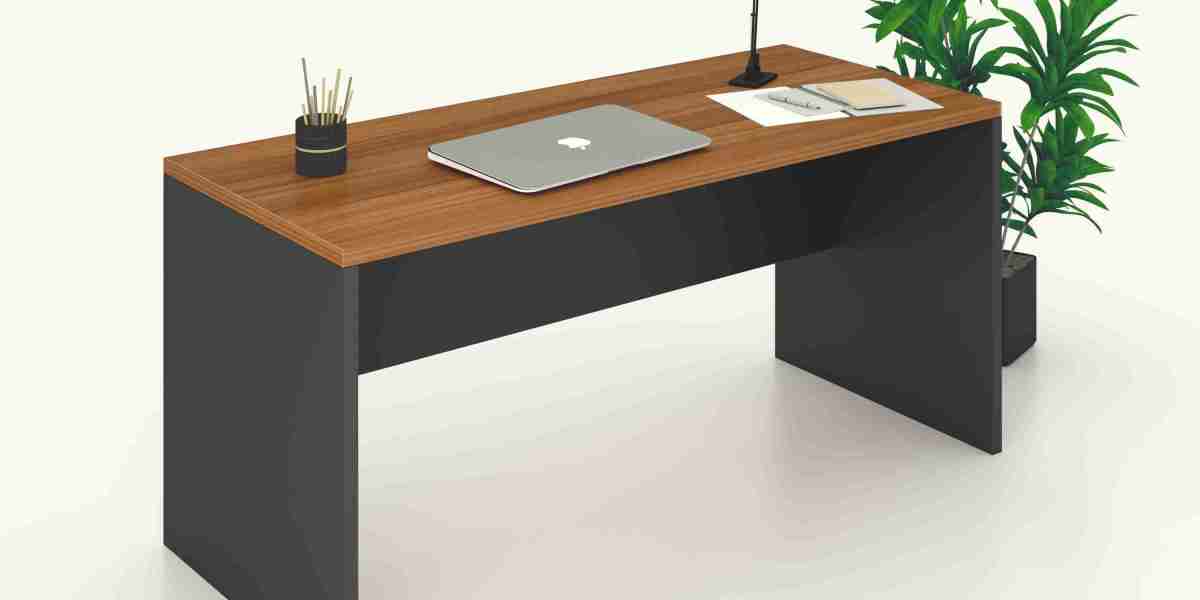

The workplace has changed significantly over the years, and furniture now plays a bigger role in business success than ever before. Office table design is one of the most important aspects of office planning because it influences productivity, comfort, organization, and the overall appearance of the workspace. A carefully selected office table provides employees with the space they need to complete tasks efficiently while contributing to a professional environment that reflects the company's standards.
Whether furnishing a new office or renovating an existing workspace, businesses should choose tables that combine durability, flexibility, and visual appeal. Modern office furniture is designed to support different working styles, from focused individual tasks to collaborative team projects. The right office table creates a balanced environment where employees feel comfortable and motivated throughout the day.
The Importance of Choosing the Right Office Furniture
Office tables are used continuously throughout the working day, making them one of the most valuable investments for any organization. Employees rely on their desks to accommodate computers, documents, office supplies, and other essential tools needed to perform their responsibilities.
A well-planned workspace helps reduce unnecessary clutter and allows employees to remain organized. Clean and structured workstations improve concentration while making it easier to access frequently used materials. Businesses that invest in quality office furniture often create workplaces that encourage greater efficiency and stronger employee engagement.
Professional furniture also helps companies present a polished image to visitors, clients, and business partners. Attractive office interiors communicate reliability and attention to detail.
Selecting Office Tables for Different Work Environments
Every office operates differently, so furniture should be selected according to the needs of each department. Executive offices require large desks that provide generous working space while maintaining a sophisticated appearance. These tables often include storage compartments and elegant finishes suitable for leadership roles.
Employee workstations prioritize practicality and efficient use of space. Compact desks with organized layouts help maximize productivity while allowing businesses to accommodate more staff within the available office area.
Conference rooms require spacious meeting tables that encourage discussion and teamwork. Reception areas benefit from welcoming desks that create positive first impressions while supporting front-desk responsibilities.
Businesses should also consider flexible furniture solutions that can be adjusted as workplace requirements change over time.
Office Table Design That Supports Better Organization
Modern Office table design focuses on creating workspaces that improve organization without sacrificing style. Today's office tables include practical features that help employees manage daily responsibilities more effectively.
Cable management systems keep power cords and computer cables neatly arranged, reducing visual clutter and improving safety. Built-in storage compartments provide convenient locations for files, office supplies, and personal belongings.
Many office tables also include modular components that allow businesses to customize workstations according to departmental needs. This flexibility makes it easier to create productive office layouts that support changing business operations.
Simple, organized workspaces contribute to improved focus and smoother workflows throughout the office.
Materials That Combine Style and Durability
Choosing high-quality materials is essential when investing in office furniture. Durable tables withstand daily use while maintaining their appearance for many years.
Engineered wood offers an attractive finish at an affordable price, making it a popular option for many businesses. Solid wood remains a premium choice for executive offices because of its timeless appearance and exceptional durability.
Metal frames provide additional structural strength while complementing contemporary office interiors. Laminate surfaces resist scratches, moisture, and stains, making them suitable for busy workplaces.
Glass tabletops are often selected for meeting rooms and executive offices where businesses want to create a clean and modern atmosphere.
Selecting reliable materials helps reduce maintenance costs and extends the lifespan of office furniture.
Making the Best Use of Office Space
Efficient space planning allows businesses to create comfortable work environments without wasting valuable floor area. The size and arrangement of office tables should match the available workspace while supporting smooth movement throughout the office.
Open-plan layouts often benefit from shared workstations that encourage communication among team members. Smaller offices require compact furniture solutions that maximize functionality without creating overcrowded conditions.
Conference rooms should include appropriately sized tables that comfortably accommodate participants while maintaining clear walking paths. Reception furniture should be positioned to welcome visitors while allowing staff to work efficiently.
Careful planning helps businesses create organized workplaces that remain practical as teams continue to grow.
Current Trends in Office Furniture
Today's workplaces place greater emphasis on employee well-being, flexibility, and efficient space utilization. As a result, office furniture continues evolving to meet these changing expectations.
Minimalist furniture designs remain popular because they create clean, uncluttered environments that support concentration. Neutral finishes such as natural wood, white, gray, and black blend easily with different office styles.
Collaborative workspaces continue gaining popularity as organizations encourage teamwork and creative problem-solving. Modular furniture systems allow businesses to adapt office layouts whenever operational needs change.
Technology integration has also become increasingly important. Many office tables now include charging ports, cable organization systems, and accessories that support digital work environments.
Sustainable furniture made from environmentally responsible materials is another growing trend as businesses focus on reducing their environmental impact.
Employee Comfort Leads to Better Performance
Comfortable employees often perform their responsibilities more efficiently. Office tables designed with appropriate dimensions allow workers to maintain better posture while completing daily tasks.
Adequate desktop space helps employees organize computers, paperwork, and office equipment without feeling restricted. Organized workstations reduce distractions and improve workflow throughout the day.
When paired with ergonomic seating, quality office tables contribute to healthier working conditions and greater employee satisfaction. Businesses that invest in comfortable furniture frequently experience higher productivity and stronger workplace morale.
Creating a supportive working environment demonstrates a company's commitment to employee well-being.
Long-Term Value Through Smart Furniture Investment
Office furniture should deliver lasting value rather than simply meeting immediate needs. Businesses should evaluate durability, functionality, maintenance requirements, and flexibility before making purchasing decisions.
High-quality office tables require fewer replacements over time, reducing long-term expenses. Modular furniture systems also provide additional value because they can be reconfigured as businesses expand or reorganize departments.
Selecting timeless designs ensures office furniture remains visually appealing despite changing interior design trends. Practical furniture investments support sustainable business growth while maintaining professional office standards.
Creating a Workplace That Reflects Your Brand
Office interiors communicate a great deal about a company's professionalism. Office table design contributes to creating workspaces that are both functional and visually appealing.
Coordinating office tables with storage cabinets, ergonomic chairs, meeting room furniture, and reception desks creates consistency throughout the workplace. Matching furniture enhances the office atmosphere while reinforcing the company's identity.
Businesses should also consider lighting, color schemes, and office layouts when planning their interiors. Together, these elements create an environment that supports productivity, collaboration, and positive client experiences.
Conclusion
A thoughtfully planned office begins with furniture that supports efficiency, comfort, and long-term performance. Office table design remains an essential part of creating organized workspaces that help employees perform at their best while presenting a professional image to visitors and clients. Investing in durable, practical, and stylish office tables allows businesses to build workplaces that continue meeting operational needs well into the future. For dependable office furniture solutions that combine quality and functionality, Modern desks and office cubicles offers products designed to complement today's professional work environments.
FAQs
What should I consider before buying an office table?
Consider office size, employee needs, available storage, durability, and how the table fits into your overall workspace layout.
Why is workspace organization important?
An organized workspace reduces distractions, improves efficiency, and creates a more professional working environment.
Are modern office tables suitable for small offices?
Yes. Many modern office tables are designed to maximize limited space while providing excellent functionality.
How can office furniture improve teamwork?
Collaborative workstation layouts encourage communication, make teamwork easier, and support efficient project management.
How often should office tables be replaced?
High-quality office tables can last for many years when properly maintained, making them a valuable long-term investment for businesses.