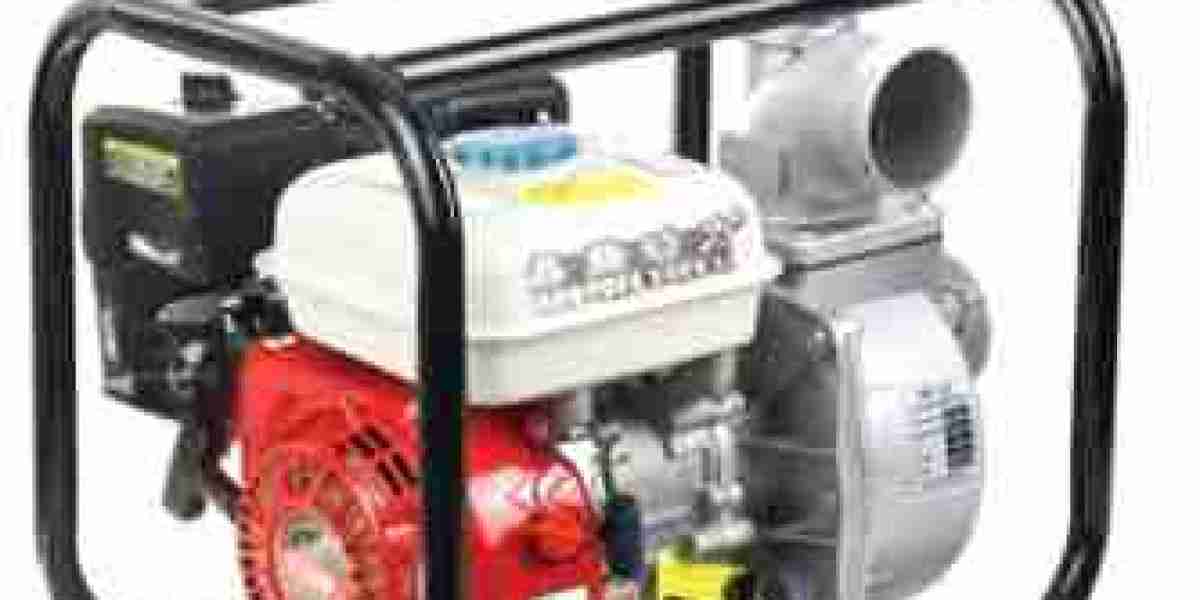

A Petrol Water Pump is commonly operated in changing environments, which means its actual performance depends on more than the engine and pump structure itself. Water source conditions, installation position, hose arrangement, and daily operation habits all influence how smoothly water can be transferred during use.
One of the biggest factors affecting flow stability is the condition of the water source. Outdoor water may come from ponds, wells, drainage areas, or temporary storage tanks, and each location creates different operating conditions. Clean water usually allows smoother intake, while water containing sand, leaves, or other particles may gradually affect the suction process. During longer working periods, users may notice small changes in water output as the intake area collects more debris.
The setup position also changes how the equipment performs. The distance between the pump and water source, suction height, and hose direction all influence water movement. A shorter hose with fewer bends generally creates less resistance, while longer connections or sharp turns can reduce flow efficiency. When moving equipment between different locations, users often need to adjust the setup according to the site conditions.
Engine operation also plays a role in maintaining consistent output. A gasoline engine may experience slight changes during extended use because of fuel conditions, surrounding temperature, or continuous workload. These changes are usually not obvious at first, but they can influence the water delivery speed of a Petrol Water Pump during long drainage or irrigation tasks.
Maintenance conditions can also affect daily operation. Intake filters help prevent larger particles from entering the system, but small debris may still accumulate over time. Instead of causing immediate problems, this buildup often appears as reduced water intake efficiency. Regular inspection of the suction area helps maintain more stable operation.
In practical applications, users often make adjustments while working. They may reposition the hose, clean the intake section, or change the outlet direction according to the environment. These small actions are part of normal field operation because outdoor conditions rarely remain unchanged throughout the entire pumping process.
The performance of a Petrol Water Pump is ultimately connected to many surrounding factors rather than one single component. Water conditions, installation method, engine operation, and maintenance habits work together to determine how stable the water flow remains during real applications.