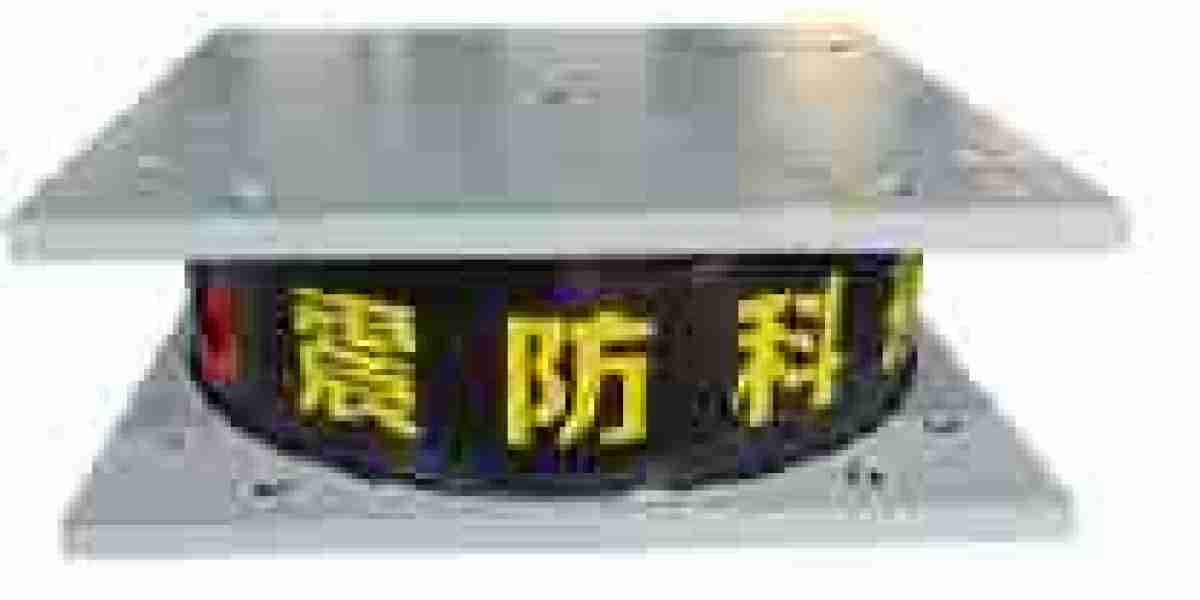

Buildings experience different types of movement during their service life. Daily loads, temperature changes, and external forces can influence how a structure behaves. A natural rubber isolation bearing is used in structural systems where controlled movement between the foundation and the building needs to be managed.
Unlike traditional rigid connections that transfer movement directly through the structure, an isolation system creates a flexible layer between different structural sections. This allows the building to respond in a more controlled way when horizontal movement occurs.
During construction, the installation position of each bearing becomes an important part of the overall structural arrangement. The alignment between the foundation and upper structure affects how loads are transferred after installation. Engineers usually check whether each support point maintains consistent contact and whether the structure remains balanced.
A natural rubber isolation bearing mainly supports vertical loads while allowing controlled horizontal movement. This combination helps maintain stability while giving the structure additional flexibility. The rubber layers inside the bearing deform gradually when movement occurs and return toward their original position after the external force is reduced.
The actual application of isolation bearings depends on the building type and structural layout. Different buildings have different requirements because the number of bearings, spacing arrangement, and connection methods all influence the final behavior of the isolation system.
During installation and inspection, engineers usually pay attention to several practical details. The movement of each bearing point needs to remain consistent. The load distribution should stay balanced. The connection between the bearing and surrounding structural components also needs to match the design requirements.
Environmental conditions can also influence installation work. Temperature changes may slightly affect rubber material characteristics, while construction schedules and site conditions may create temporary differences in loading conditions. These factors are normally considered during structural evaluation.
The performance of an isolation system is not determined by one component alone. The interaction between bearings, foundation design, and the upper structure creates the final response of the building.
A natural rubber isolation bearing is therefore applied as part of a complete structural solution rather than an independent element. Its value comes from helping buildings manage movement through coordinated design, proper installation, and long-term structural consideration.