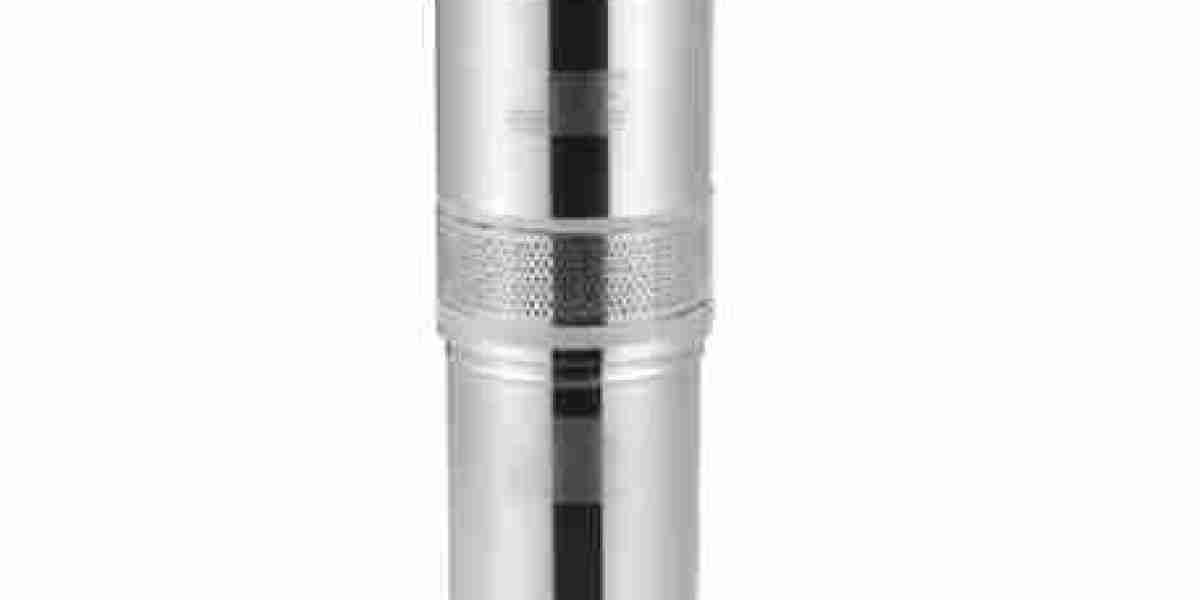

Water management systems often need equipment that can respond to changing conditions instead of following a fixed operating pattern. A stainless steel submersible pump is commonly installed in environments where water levels, inflow conditions, and operating requirements can change over time.
Unlike equipment that runs continuously according to a set schedule, many submerged pump systems operate according to actual demand. In drainage pits, underground tanks, and collection areas, the pump may remain inactive for long periods and start only when the water level reaches a certain point.
The installation environment has a strong influence on how the pump is used. In groundwater applications, the pump may work under deeper conditions where lifting height becomes an important consideration. In construction areas, it may respond to changing rainwater levels and temporary water accumulation. Industrial systems may use similar equipment for liquid transfer where operation depends on production processes.
The working pattern of a stainless steel submersible pump is often controlled by additional components rather than manual operation. Float switches, level sensors, and control panels help determine when the pump starts and stops. This allows the system to react to real-time water conditions instead of relying only on fixed operating times.
Some installations use multiple pumps to manage changing demand. One unit may handle normal flow while another remains available for higher water levels or emergency conditions. Rotation systems can also be used to balance operating time between different pumps and reduce uneven wear.
Environmental changes can also influence operating frequency. A drainage system connected with rainfall may experience short periods of frequent operation followed by long inactive periods. Other systems, such as industrial storage tanks, may follow production schedules or sensor-based control settings.
Maintenance records often show that pump behaviour changes depending on the transition between dry and wet conditions. Repeated starts, seasonal water level changes, and different fluid characteristics can all influence how the equipment performs over time.
Because every installation environment has different requirements, a stainless steel submersible pump is usually considered as part of a complete water management system rather than an isolated component. Its operation depends on surrounding conditions, control methods, and fluid behaviour.
As modern water systems become more responsive, submerged pumps are increasingly integrated with automatic controls and monitoring equipment. The way a stainless steel submersible pump operates is shaped by real-world conditions, making flexibility an important part of its role in drainage, groundwater control, and fluid handling applications.