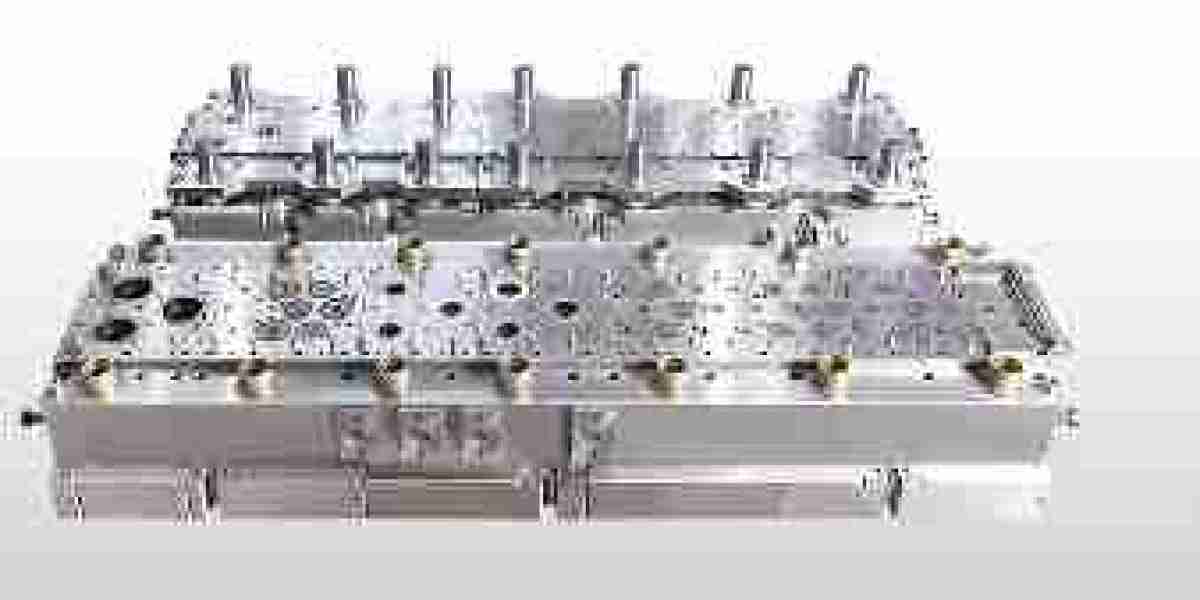

A high speed stamping mold relies on the cooperation of multiple factors, including material feeding accuracy, die alignment, lubrication, and machine adjustment. When operating at high speed, even small variations can influence the quality of finished components. For this reason, manufacturers usually focus on maintaining a predictable production rhythm instead of only increasing stamping frequency.
The performance of the progressive stamping die system is also closely connected with production stability. A well-designed die still needs accurate material movement and proper alignment to achieve consistent results. As production speed increases, the relationship between feeding precision and tooling performance becomes more important.
Long production runs provide more information than short demonstrations. During continuous operation, engineers observe not only finished parts but also strip movement, scrap discharge, lubrication conditions, and overall production flow. These practical observations help manufacturers understand how the tooling performs under actual factory conditions.
Maintenance methods are also changing in modern manufacturing. Many factories are moving from repairing problems after they occur toward preventive inspection. Regular checks of tool clearance, fastening conditions, and lubrication status help reduce unexpected downtime and keep production more stable.
The value of a high speed stamping mold is ultimately reflected in consistency across thousands of stamping operations. Producing accurate samples during initial testing is not enough. The greater challenge is maintaining the same precision throughout long-term manufacturing.
Reliable stamping performance starts before the press begins operation. Material preparation, tool inspection, strip positioning, and equipment setup all influence the final results. When these steps are properly managed, both the high speed stamping mold and progressive stamping die can support more efficient and reliable production.
Modern manufacturers increasingly view stamping tools as part of a complete production system rather than individual components. Through careful preparation, continuous monitoring, and regular maintenance, factories can improve production stability and meet the long-term requirements of precision motor core manufacturing.