
CE and UL Standards for Carton Folding Gluing Machine
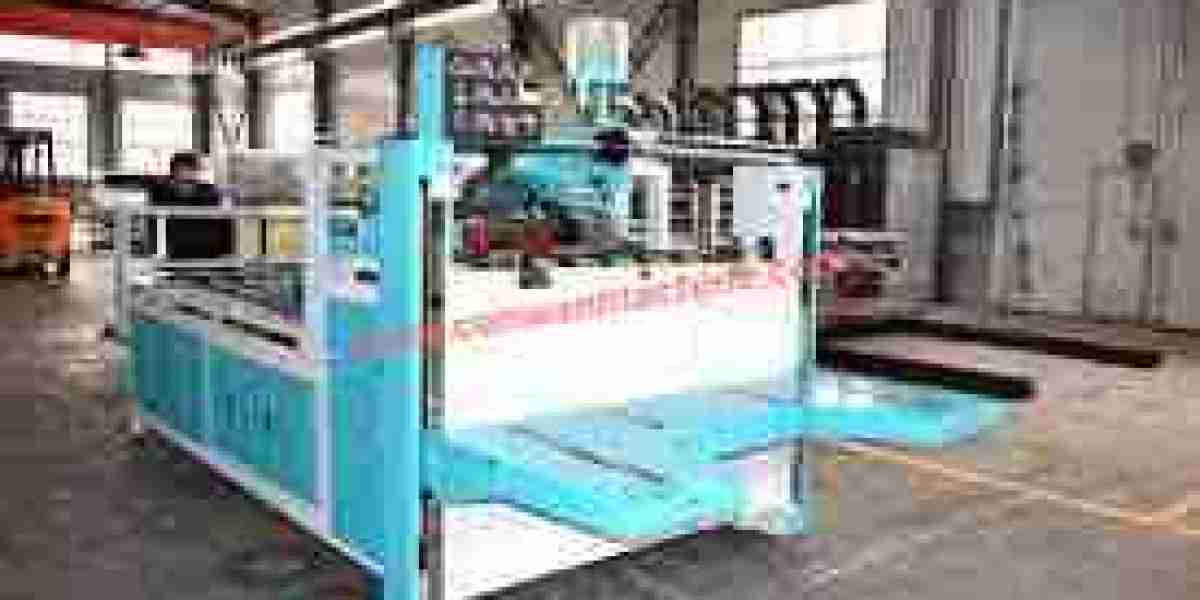
International packaging machinery purchasers confront a complex regulatory landscape. Each destination market maintains distinct safety requirements. European countries demand CE marking. The United States recognizes UL certification. These marks represent more than simple stickers on equipment frames. They signify compliance with rigorous safety standards governing machinery design, electrical systems, and operator protection. For Carton Folding Gluing Machine buyers, understanding certification requirements prevents costly customs delays and legal complications. Regulatory compliance also protects factory workers from potential hazards associated with high-speed folding and gluing operations. What certifications should a Carton Folding Gluing Machine from manufacturers like CenWanMachine carry to satisfy international safety requirements?
CE marking represents the mandatory conformity indicator for machinery sold within the European Economic Area. This certification demonstrates that equipment meets essential health, safety, and environmental protection requirements established by EU directives. For folding gluing machines, the Machinery Directive 2006/42/EC and the Low Voltage Directive 2014/35/EU establish the primary compliance framework. Manufacturers must compile a Technical Construction File documenting conformity with harmonized standards including EN ISO 12100 for general safety principles and EN 60204 for electrical equipment safety. The CE mark verifies that a Carton Folding Gluing Machine has undergone appropriate conformity assessment procedures before entering the European market.
The certification process involves rigorous evaluation of machine design and construction. Manufacturers must identify all significant hazards associated with equipment operation. Risk assessment determines appropriate safety measures. Emergency stop systems must meet specific performance requirements. Electrical components require adequate protection against short circuits and overloads. Safety barriers protect operators from moving parts. Noise emission levels must remain within regulated limits. These requirements apply to folder gluer machines as specialized paper converting equipment under EN. Complete compliance documentation must remain available for inspection by market surveillance authorities.
UL certification serves a similar purpose for the North American market. Underwriters Laboratories standards address electrical safety and fire hazard prevention for industrial equipment. Although UL recognition carries different legal status than CE marking, many American buyers specify UL compliance in purchase requirements. The certification demonstrates that equipment meets established safety standards through independent testing. Certification bodies evaluate electrical components, wiring methods, and control systems against applicable UL standards. Manufacturers seeking UL compliance often modify electrical designs to satisfy North American requirements.
The practical differences between CE and UL certification affect equipment design. CE marking places stronger emphasis on mechanical safety features and risk assessment documentation. UL standards focus more specifically on electrical safety and fire prevention. A Carton Folding Gluing Machine designed solely for European markets might incorporate different safety features than a machine intended for North American facilities. Manufacturers serving global markets must address both sets of requirements or produce region-specific models. This dual compliance approach increases production complexity but expands market access opportunities.
International quality management certifications complement product safety marks. ISO certification demonstrates that manufacturers maintain documented quality management systems covering every production stage. This certification assures buyers that consistent quality standards apply from raw material selection through final inspection. Many packaging machinery manufacturers hold ISO 9001 certification alongside product-specific safety marks. The combination provides comprehensive assurance of manufacturing discipline and regulatory awareness.
Industry standards organizations also contribute to compliance frameworks. ISO addresses industrial robot performance. IEC provides electrical equipment requirements. National standards bodies incorporate these international specifications into local regulations. Manufacturers must track evolving standards across multiple jurisdictions. The 2006/42/EC Machinery Directive remains current, while amendments and interpretations continue emerging. Staying current with regulatory changes requires dedicated compliance resources.
Buyer verification of certification validity protects against counterfeit or expired marks. Authentic CE marking requires complete Technical Construction Files available for inspection. UL certification numbers can be verified through online databases. Buyers should request copies of certificates and confirm they apply to specific machine models. Documentation should include applicable standards, issue dates, and authorized signatories. Verification becomes especially important for machinery purchased through distributors or trading companies who may lack direct manufacturer information.
Third-party certification bodies conduct the actual compliance evaluations. TÜV Rheinland provides widely recognized certification services for packaging machinery. These organizations maintain independence from manufacturers and regulatory authorities. Their assessments provide objective verification of compliance. The certificate holder receives authorization to use certification marks on compliant equipment. However, certificates typically apply to specific models and production batches rather than entire product ranges. Buyers should confirm that purchased machines match certified specifications.
Market-specific requirements extend beyond CE and UL. EPR (Extended Producer Responsibility) Germany packaging regulations apply to equipment used in packaging production. RoHS directives restrict hazardous substances in electrical equipment. These additional requirements affect material selection and component sourcing. Manufacturers serving multiple regions must navigate this complex regulatory environment. Compliance packages might include multiple certifications depending on target destinations. Buyers should specify their required certifications during procurement discussions.
Economic implications of certification deserve consideration. Compliance costs add to equipment pricing. Manufacturers maintain certification through ongoing testing and documentation expenses. However, certified equipment typically commands premium pricing justified by reduced liability exposure and smoother customs clearance. Uncertified machines may face import restrictions or require costly retrofitting. The initial investment in certified equipment often proves more economical than resolving compliance issues after purchase. https://www.cenwanmachine.com/product/folder-gluer-for-cardboard-box/ illustrates how professional manufacturers integrate compliance into product offerings. Certified Carton Folding Gluing Machine options provide documented assurance of regulatory adherence. Buyers seeking reliable international equipment recognize the value of verified certification in their procurement decisions.