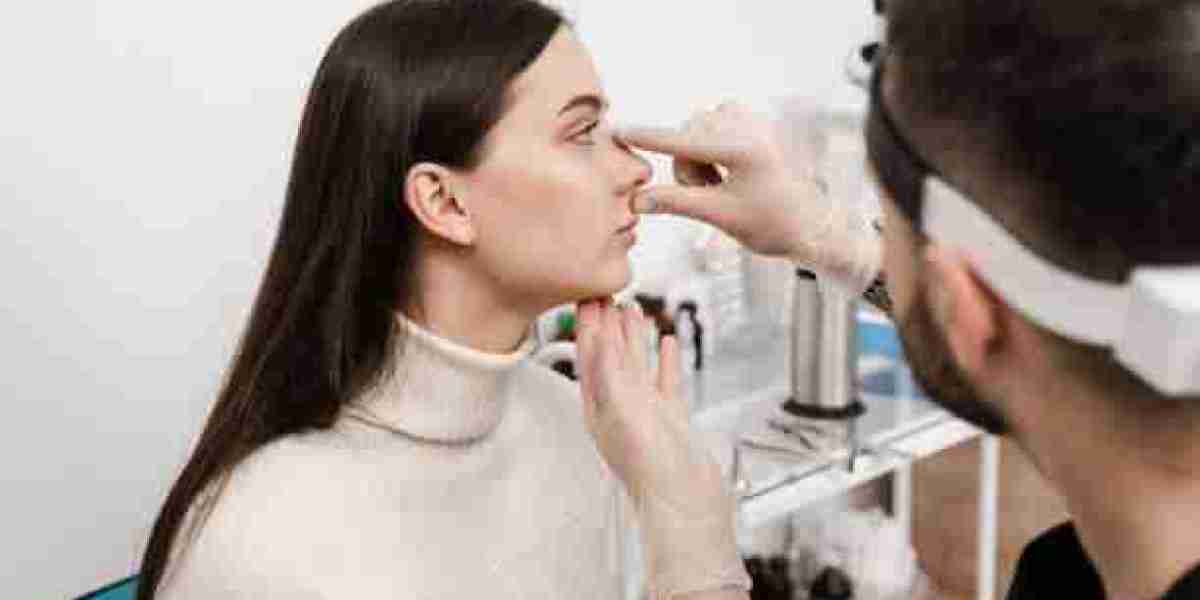

While every patient's recovery journey is unique, following the recommended aftercare guidelines can make the healing process smoother and more comfortable. Understanding what to expect after surgery also helps you feel more confident and prepared throughout your recovery.
Many people searching for How Rhinoplasty Can Improve Facial Harmony in Riyadh are equally interested in learning how to protect their results after surgery. Recovery plays a significant role in achieving balanced facial features, minimizing swelling, and ensuring the nose heals into its intended shape. By following simple yet effective aftercare practices, patients can maximize the benefits of their rhinoplasty and enjoy a successful outcome.
Why Post-Operative Care Matters
Rhinoplasty reshapes the nose by modifying its structure, making the healing period an essential part of the overall treatment. During the first few weeks, the nose is delicate and requires protection from unnecessary pressure or injury. Careful recovery reduces the chances of complications while supporting proper tissue healing. Following medical instructions consistently also contributes to achieving the desired aesthetic and functional improvements.
The First Few Days After Surgery
Manage Swelling and Bruising
Swelling and bruising around the nose and eyes are common after rhinoplasty. These effects gradually improve over time. Keeping your head elevated while resting or sleeping can help minimize swelling and promote better circulation. Applying cold compresses around the treated area, as advised by your healthcare provider, may also provide comfort during the initial recovery period.
Take Adequate Rest
Your body needs time and energy to heal after surgery. Resting during the first few days allows your tissues to recover while reducing strain on your body. Avoid unnecessary movement or activities that could increase blood pressure, as this may worsen swelling or prolong the healing process.
Protect Your Nose During Recovery
Avoid Physical Impact
The nose remains sensitive for several weeks after surgery. Even minor bumps or accidental pressure can affect healing. Be cautious in crowded places, avoid contact sports, and take extra care while dressing or washing your face.
Sleep in the Right Position
Sleeping on your back with your head slightly elevated helps reduce swelling and prevents accidental pressure on the nose. Side sleeping or sleeping face down should be avoided until your surgeon confirms it is safe.
Maintain Good Hygiene
Keep the Surgical Area Clean
Proper hygiene helps reduce the risk of infection. Follow the recommended cleaning routine carefully and avoid touching the surgical area with unwashed hands. If dressings or splints are applied, they should remain in place until instructed otherwise.
Follow Medication Instructions
Take prescribed medications exactly as directed. These may help manage discomfort, reduce inflammation, and support the healing process. Never stop or adjust medications without professional guidance.
Eat Nutritious Foods to Support Healing
A balanced diet rich in vitamins, minerals, and protein helps your body repair tissues more effectively. Staying hydrated is equally important during recovery. Fresh fruits, vegetables, lean proteins, and whole grains provide nutrients that support the healing process. Limiting salty foods may also help reduce temporary swelling.
Avoid Activities That Delay Healing
Stay Away From Smoking and Alcohol
Smoking can interfere with blood circulation, while alcohol may increase swelling during the early recovery period. Avoiding both supports healthier healing and helps maintain the best possible results.
Delay Intense Exercise
Although light walking may be encouraged after a short period, strenuous exercise should be postponed until your healthcare provider approves it. Heavy lifting, running, and vigorous workouts can increase blood pressure and slow recovery.
Be Patient With the Healing Process
One of the most important aspects of rhinoplasty recovery is patience. Initial swelling gradually decreases over several weeks, but subtle changes continue as the tissues settle. It may take several months before the final shape of the nose becomes fully visible. Following aftercare recommendations throughout this period helps protect your investment and contributes to satisfying long-term results.
Attend All Follow-Up Appointments
Regular follow-up visits allow your healthcare provider to monitor healing and ensure everything is progressing as expected. These appointments also provide an opportunity to discuss any concerns, ask questions, and receive personalized guidance for the next stage of recovery. Never skip scheduled checkups, as they play a valuable role in achieving the best outcome.
Develop Healthy Long-Term Habits
Even after the initial recovery period, protecting your nose from injury and maintaining a healthy lifestyle supports lasting results. Wearing sun protection, following skincare recommendations, and practicing healthy daily habits can help preserve your appearance while promoting overall well-being.
Frequently Asked Questions
Q: How long does swelling last after rhinoplasty?
A: Most noticeable swelling improves within the first few weeks, while subtle swelling may continue to decrease over several months as the nose heals completely.
Q: When can I return to normal daily activities?
A: Most people gradually resume regular daily activities within a short period, but strenuous exercise and heavy physical activities should only be restarted after professional approval.
Q: Is it normal to have temporary breathing changes after surgery?
A: Yes. Temporary swelling inside the nose can affect breathing during the early healing phase. This usually improves as the tissues recover.
Q: Can I wear glasses after rhinoplasty?
A: Depending on your recovery progress, you may need to avoid placing pressure on your nose for a period of time. Follow your healthcare provider's recommendations regarding eyewear.
Q: How can I achieve the best long-term results?
A: Following all aftercare instructions, attending follow-up appointments, protecting your nose from injury, and maintaining healthy lifestyle habits all contribute to optimal healing and lasting results.
Book Your Consultation
If you are considering rhinoplasty or want personalized guidance about your recovery journey, schedule a consultation with Enfield Royal Clinic. The experienced team is committed to providing comprehensive patient care, individualized treatment plans, and ongoing support to help you achieve safe healing and natural-looking results.