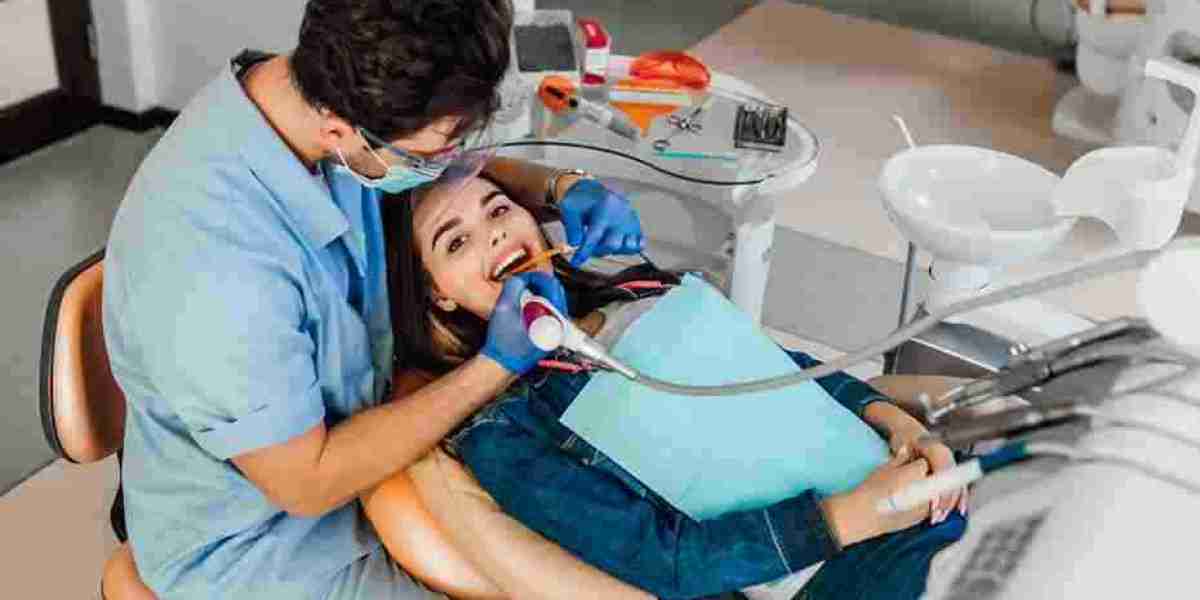

Because many oral symptoms develop gradually, they are often overlooked until they become more serious. Fortunately, recognizing these early warning signs can help you take action sooner and protect both your oral and overall health.
Many people searching for a Dentist in Stafford VA want to understand why they are experiencing symptoms such as bleeding gums, persistent bad breath, tooth sensitivity, or mouth sores. While these signs do not always indicate a serious condition, they should never be ignored.
This guide explains some of the most common warning signs your mouth may be giving you and why regular dental checkups are important.
Why Your Oral Health Reflects Your Overall Health
The mouth is closely connected to the rest of the body. As a result, changes in oral health sometimes occur alongside changes in overall health.
For example, certain medical conditions, medications, nutritional deficiencies, and lifestyle habits may affect your teeth, gums, and saliva production.
Likewise, poor oral health may increase the risk of complications associated with conditions such as diabetes and heart disease.
Although oral symptoms alone cannot diagnose a medical condition, they often provide valuable information that should be evaluated by a healthcare professional.
Bleeding Gums Should Never Be Ignored
Many people assume that bleeding gums during brushing or flossing are normal. However, healthy gums generally do not bleed.
Bleeding gums may be an early sign of:
- Gingivitis
- Periodontal (gum) disease
- Poor oral hygiene
- Vitamin deficiencies
- Hormonal changes
- Certain medications
If gum inflammation continues without treatment, it may progress into more advanced gum disease that affects the supporting structures of the teeth.
Fortunately, early gum disease can often be managed with improved oral hygiene and professional dental care.
Persistent Bad Breath May Signal More Than Food Choices
Occasional bad breath after eating certain foods is common. However, bad breath that continues despite regular brushing may indicate an underlying problem.
Possible causes include:
- Gum disease
- Tooth decay
- Dry mouth
- Poor oral hygiene
- Oral infections
- Tonsil stones
- Certain digestive conditions
Because chronic bad breath has many possible causes, a dental evaluation can help identify the source and recommend appropriate care.
Tooth Sensitivity Can Be a Warning Sign
Feeling pain while drinking cold water or eating hot foods is not something you should simply ignore.
Tooth sensitivity may result from:
- Worn enamel
- Cavities
- Cracked teeth
- Gum recession
- Teeth grinding
- Exposed tooth roots
Although some cases are mild, increasing sensitivity may indicate damage that requires professional attention.
Early treatment often prevents more serious dental problems from developing.
Dry Mouth Can Affect More Than Comfort
Saliva plays an important role in maintaining oral health. It helps wash away food particles, neutralize harmful acids, and protect tooth enamel.
When saliva production decreases, people may experience:
- Dry mouth
- Difficulty swallowing
- Bad breath
- Increased cavities
- Mouth discomfort
Dry mouth may develop because of:
- Certain medications
- Dehydration
- Diabetes
- Stress
- Autoimmune disorders
Drinking water regularly and discussing persistent symptoms with a healthcare professional can help identify the underlying cause.
Mouth Sores That Do Not Heal Require Attention
Most small mouth sores heal naturally within one or two weeks.
However, sores that last longer than two weeks should be evaluated.
Persistent sores may result from:
- Chronic irritation
- Viral infections
- Nutritional deficiencies
- Autoimmune conditions
- Oral cancer
While many mouth sores are harmless, long-lasting changes in the mouth should never be ignored.
Routine dental examinations often include oral cancer screenings to detect unusual tissue changes early.
Loose Teeth Are Not a Normal Part of Aging
Permanent teeth should remain stable throughout adulthood.
If teeth begin to feel loose, possible causes include:
- Advanced gum disease
- Bone loss
- Dental trauma
- Severe infection
Early treatment may help preserve natural teeth before additional damage occurs.
Therefore, any unexpected tooth movement should be evaluated promptly.
Changes in Your Tongue Can Reveal Important Clues
The tongue often reflects changes occurring elsewhere in the body.
Watch for symptoms such as:
- White patches
- Red patches
- Persistent swelling
- Smooth appearance
- Pain or burning sensations
- Unusual lumps
These changes may be associated with infections, nutritional deficiencies, irritation, or other medical conditions.
A dental examination can help determine whether further evaluation is needed.
Teeth Grinding Often Happens Without Realizing It
Many people grind or clench their teeth while sleeping.
This condition, known as bruxism, may lead to:
- Worn enamel
- Chipped teeth
- Jaw pain
- Morning headaches
- Tooth sensitivity
Stress is one of the most common contributing factors. Consequently, dentists frequently identify signs of grinding before patients become aware of the habit.
Protective nightguards may be recommended for some individuals.
Frequent Cavities May Suggest Lifestyle Changes Are Needed
Occasional cavities can happen even with good oral care. However, repeated tooth decay may indicate underlying habits that increase risk.
These may include:
- Frequent sugary snacks
- Poor brushing habits
- Dry mouth
- Acidic beverages
- Inadequate fluoride exposure
Improving daily oral hygiene and making healthier dietary choices often reduces the likelihood of future cavities.
Jaw Pain Can Have Multiple Causes
Jaw discomfort should not be ignored, especially if it occurs regularly.
Possible causes include:
- Teeth grinding
- TMJ disorders
- Arthritis
- Dental infections
- Muscle tension
- Injury
Symptoms may include clicking, popping, difficulty chewing, or limited jaw movement.
Early evaluation helps identify the cause and prevent worsening symptoms.
White Spots on Teeth May Indicate Early Decay
Small white spots on tooth enamel often represent one of the earliest visible signs of tooth decay.
These areas develop when minerals begin leaving the enamel surface.
Fortunately, early intervention through fluoride treatments, improved oral hygiene, and dietary changes may help strengthen enamel before cavities form.
Regular dental visits increase the likelihood of detecting these early changes.
The Importance of Regular Dental Checkups
Many oral health conditions develop without pain during their early stages.
Routine dental visits allow professionals to identify concerns before they become serious.
During regular examinations, dentists may check for:
- Cavities
- Gum disease
- Oral cancer
- Teeth grinding
- Bite alignment issues
- Worn restorations
- Jaw problems
Many individuals searching for a experienced Dentist in Stafford VA are interested in preventive dental care because early detection often leads to simpler and less invasive treatment.
When Should You Schedule a Dental Evaluation?
You should consider scheduling a dental appointment if you notice:
- Bleeding gums
- Persistent bad breath
- Tooth sensitivity
- Loose teeth
- Jaw pain
- Dry mouth
- Mouth sores lasting more than two weeks
- Swollen gums
- Changes in your tongue
- Pain while chewing
Seeking professional evaluation early may prevent more extensive treatment later.
Healthy Habits That Support Oral and Overall Health
Good oral health starts with daily habits that protect your teeth and gums.
Simple practices include:
- Brush twice each day using fluoride toothpaste.
- Floss daily.
- Drink plenty of water.
- Eat a balanced diet.
- Limit sugary snacks and beverages.
- Avoid tobacco products.
- Replace your toothbrush every three to four months.
- Visit your dentist regularly for preventive care.
These habits not only support healthy teeth but also contribute to better overall wellness.
Final Thoughts
Your mouth can provide important clues about your overall health long before serious symptoms develop. Bleeding gums, dry mouth, persistent bad breath, tooth sensitivity, mouth sores, and jaw pain are all signs that deserve attention rather than being ignored.
While many oral symptoms have simple explanations, others may point to underlying dental or medical concerns that benefit from early evaluation. Regular dental checkups play a key role in identifying these issues before they become more serious. For individuals looking for a Dentist in Stafford VA, understanding these hidden warning signs can help them take a proactive approach to maintaining both oral health and overall well-being.